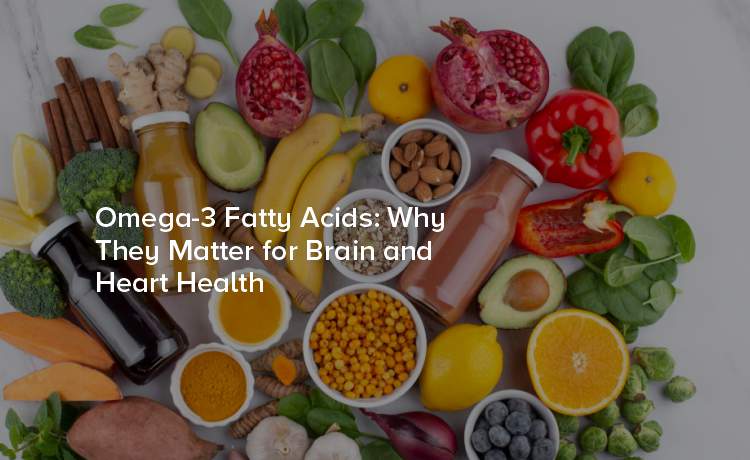
Your body requires many nutrients to function optimally, but few are as crucial as omega-3 fatty acids. These essential fats play vital roles in maintaining cardiovascular health, supporting cognitive function, and promoting overall well-being. Yet many people don't consume adequate amounts through their daily diet.
Understanding the importance of omega-3s and how to incorporate them into your lifestyle can significantly impact your long-term health outcomes. These powerful nutrients offer protection against heart disease, support brain development and function, and may even help maintain healthy aging.
Omega-3 fatty acids are polyunsaturated fats that your body cannot produce on its own, making them essential nutrients you must obtain through food or supplements. The three most important types include:
EPA (Eicosapentaenoic Acid) primarily supports heart health and helps reduce inflammation throughout the body. This omega-3 is particularly beneficial for cardiovascular function and may help lower triglyceride levels.
DHA (Docosahexaenoic Acid) serves as a critical building block for brain tissue and retinal cells. It's especially important during pregnancy, infancy, and childhood for proper brain development.
ALA (Alpha-Linolenic Acid) comes from plant sources and can be converted to EPA and DHA in small amounts. While beneficial, this conversion process is inefficient, making direct sources of EPA and DHA more valuable.
Cardiovascular disease remains the leading cause of death worldwide, but omega-3 fatty acids offer significant protective benefits for your heart and circulatory system.
Chronic inflammation plays a central role in heart disease development. Omega-3s help produce specialized molecules called resolvins and protectins, which actively resolve inflammatory processes in blood vessels. This anti-inflammatory action helps prevent arterial damage that can lead to heart attacks and strokes.
Regular omega-3 consumption can lower triglyceride levels by 15-30%, according to numerous clinical studies. High triglycerides contribute to arterial plaque formation, so this reduction significantly benefits cardiovascular health. Additionally, omega-3s may help increase HDL (good) cholesterol while improving the ratio of different cholesterol types.
EPA and DHA help stabilize heart rhythm by affecting electrical activity in cardiac muscle cells. This stabilization may reduce the risk of dangerous arrhythmias that can lead to sudden cardiac death, particularly in people with existing heart conditions.
Omega-3s support healthy blood pressure levels through multiple mechanisms, including improving blood vessel flexibility and reducing vascular resistance. Even modest reductions in blood pressure can substantially lower cardiovascular risk over time.
Your brain contains high concentrations of DHA, which comprises about 8% of total brain weight. This essential fat supports numerous aspects of cognitive function throughout your lifetime.
During pregnancy and early childhood, adequate DHA intake is crucial for proper brain development. In adults, omega-3s support memory formation, learning ability, and overall cognitive performance. Research suggests that people with higher omega-3 levels often perform better on cognitive tests.
Omega-3 fatty acids help protect brain cells from damage and may slow age-related cognitive decline. They support the production of brain-derived neurotrophic factor (BDNF), a protein that promotes neuron growth and survival.
EPA and DHA play important roles in neurotransmitter function and may help regulate mood. Some studies suggest that adequate omega-3 intake supports emotional well-being and may help manage mood-related concerns.
As you age, maintaining adequate omega-3 levels becomes increasingly important for preserving cognitive function. These essential fats help maintain brain cell membrane integrity and support healthy aging processes in neural tissue.
Your body often provides subtle signals when omega-3 levels are insufficient. While these signs can have multiple causes, they may indicate the need for better omega-3 nutrition:
These appearance-related changes occur because omega-3s are crucial for maintaining healthy cell membranes throughout your body, including skin, hair, and nail cells.
Incorporating omega-3-rich foods into your diet provides the most natural way to meet your nutritional needs.
Fatty fish represent the best dietary sources of EPA and DHA. Salmon, mackerel, sardines, anchovies, and herring contain the highest concentrations. Aim for 2-3 servings of fatty fish per week for optimal benefits.
Fish oil supplements can help bridge gaps when dietary intake is insufficient. Choose high-quality products that have been tested for purity and potency.
Walnuts, flaxseeds, and chia seeds provide ALA, though your body's conversion to EPA and DHA is limited. Algae-based supplements offer a direct source of DHA for those following plant-based diets.
Hemp seeds and leafy greens also contain smaller amounts of ALA and can contribute to your overall omega-3 intake.
Most nutrition experts recommend consuming 250-500mg of combined EPA and DHA daily for general health maintenance. People with specific health concerns may benefit from higher amounts under professional guidance.
When choosing supplements, look for products that provide both EPA and DHA in meaningful amounts. Third-party testing for purity ensures you're getting a clean, effective product without harmful contaminants.
Consider having your omega-3 levels tested through a simple blood test. This objective measure can help you and your healthcare provider determine whether your current intake meets your individual needs.
Omega-3 fatty acids represent one of the most well-researched nutrients for supporting both heart and brain health. The evidence consistently shows that adequate intake of these essential fats can provide significant benefits for cardiovascular function, cognitive performance, and overall well-being.
Start by evaluating your current omega-3 intake and identifying opportunities to include more fatty fish or high-quality supplements in your routine. Small, consistent changes in your nutrition can yield substantial health benefits over time.