High blood pressure, also known as hypertension, is a significant health concern worldwide, and India is no exception. With modern lifestyles steadily evolving, and factors like stress, unhealthy eating habits, and lack of physical activity becoming common, hypertension has risen to the forefront as one of the most prevalent lifestyle diseases in India. The good news? With the right information and proactive measures, high blood pressure can be managed effectively, and in many cases, even prevented.
Blood pressure is the force that blood exerts on the walls of your arteries as it flows through them. While some pressure is essential, consistently high pressure can strain your heart and arteries. High blood pressure occurs when this force remains elevated over time, potentially leading to severe health problems such as heart disease, stroke, and kidney ailments.
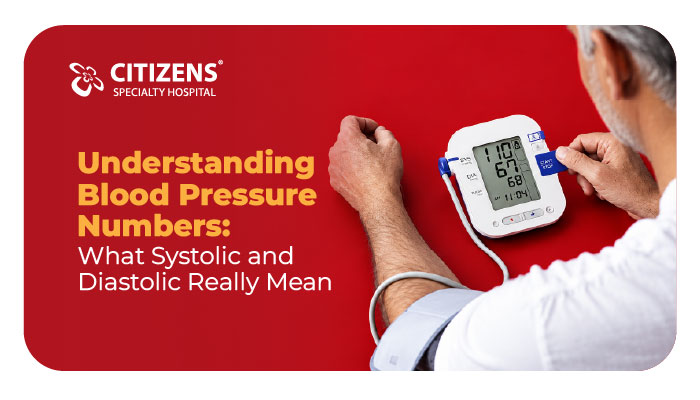
Blood pressure is typically presented as two numbers, for example, “120/80 mmHg”:
A normal range is usually around 120/80 mmHg. However, readings consistently above 140/90 mmHg indicate hypertension.
Hypertension is a growing concern in India, with surveys revealing alarming statistics. According to estimates from the Indian Council of Medical Research (ICMR), about 30% of India's adult population suffers from hypertension, translating to almost 234 million individuals.
This lack of awareness, compounded by the silent nature of high blood pressure, has propelled its rise as a leading cause of preventable deaths in the country.
High blood pressure can be classified into two primary types, each with distinct causes.
Primary Hypertension
This type develops gradually over the years without a single identifiable cause. Factors contributing to primary hypertension include genetics, poor diet, insufficient physical activity, and a sedentary lifestyle.
Secondary Hypertension
Secondary hypertension arises due to another underlying condition, such as kidney disease, thyroid issues, or hormonal imbalances. This type often develops more rapidly and may require targeted interventions to address the underlying issue.
Risk Factors in India
Certain lifestyle and environmental factors unique to India add to the growing burden of hypertension, such as:
High blood pressure is often called the "silent killer" because it typically has no symptoms until it reaches advanced stages or causes complications. However, in some cases, individuals may notice signs such as:
If you experience any of these symptoms, it’s essential to consult a healthcare professional immediately.
Unchecked hypertension can lead to severe health complications. Here are some of the risks associated with high blood pressure, especially relevant in India due to the high prevalence of heart-related diseases in the country.
1. Heart Disease
High blood pressure puts extra strain on your heart, making it harder to pump blood efficiently. This can lead to ailments like heart attacks, heart failure, and coronary artery disease.
2. Stroke
Hypertension increases the risk of a stroke by damaging blood vessels in the brain or leading to clots that block blood flow.
3. Kidney Damage
Chronic high blood pressure can harm your kidneys by damaging the small blood vessels in them, potentially leading to kidney failure.
4. Vision Issues
High blood pressure can damage the delicate vessels in your eyes, resulting in vision loss or other complications.
Preventing and managing hypertension involves making lifestyle changes and, in some cases, using prescribed medications. Here’s how you can take control of your blood pressure.
Maintain a Healthy Diet
1. Limit Sodium Intake - Studies show that Indians consume 9-12 grams of salt daily, almost double the recommended amount. Reducing salt in your diet can significantly lower blood pressure.
2. Focus on Fresh and Whole Foods - Increase your consumption of vegetables, fruits, whole grains, nuts, and seeds. These are rich in potassium and magnesium, vital for managing blood pressure.
3. Limit Saturated Fats and Sugar - Opt for healthy fats found in nuts, seeds, and fish to promote cardiovascular health.
Stay Active
Regular physical activity is critical for heart health. Aim for at least 30 minutes of moderate exercise five days a week. Activities such as brisk walking, cycling, yoga, and swimming can lower your blood pressure and improve overall fitness.
Maintain a Healthy Weight
Being overweight or obese increases your risk of hypertension. Focus on achieving and maintaining a healthy weight through a balanced diet and consistent exercise routines.
Quit Smoking and Reduce Alcohol Consumption
Smoking damages blood vessels and increases the risk of heart disease. Similarly, excess alcohol can contribute to high blood pressure. Quitting or reducing these habits can improve overall heart health.
Manage Stress
Stress is a common factor in elevated blood pressure. Techniques like meditation, mindfulness, breathing exercises, and yoga (a practice originating in India with proven health benefits) can help reduce stress and stabilize your blood pressure.
Regular Monitoring and Medical Check-Ups
One of the most effective ways to catch hypertension early is by regularly monitoring your blood pressure at home and scheduling annual check-ups with your healthcare provider. Early diagnosis can make all the difference.
There are many myths about high blood pressure that can lead to confusion. Knowing the facts is critical for proper management.
Myth: Hypertension only occurs in older adults.
Fact: While age is a risk factor, hypertension is increasingly affecting younger age groups, including individuals in their late 20s and 30s.
Myth: Low blood pressure is not dangerous.
Fact: Extremely low blood pressure can lead to dizziness, fainting, and even shock.
Myth: Hypertension is entirely genetic, so lifestyle changes won’t help.
Fact: Genetics play a role, but lifestyle changes are highly effective in managing and preventing hypertension.
Hypertension is a silent yet preventable enemy. By staying informed and making better lifestyle choices, you can significantly reduce the risk of high blood pressure and its associated complications. If you suspect you may have high blood pressure, don't wait. A simple blood pressure test could be the first step toward safeguarding your health for the long term.