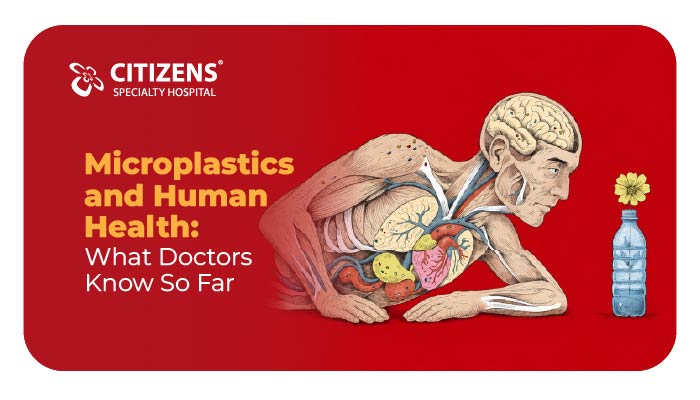
Plastic is everywhere in modern life: in our water bottles, food packaging, clothing, cosmetics, furniture and even the tyres on our cars. Over time, plastic breaks down into tiny fragments known as microplastics. Scientists have now found these particles in the ocean, in soil, in the air we breathe and, increasingly, inside the human body.
What Are Microplastics and Nanoplastics?
Microplastics come from two main sources:
How Do Microplastics Enter the Human Body?
There are three main routes of exposure.
1. Eating and Drinking
2. Breathing
Indoor air often contains more microplastics than outdoor air. They are shed from synthetic carpets, curtains, upholstery and clothing, and settle in household dust. Urban air also carries particles from tyre wear.
3. Skin Contact
Skin is a fairly effective barrier, so this route is thought to be less important. However, cosmetics and personal care products may contribute small amounts.
Where Have Microplastics Been Found in the Body?
Over the past few years, researchers have detected microplastics in:
Finding a substance in the body does not automatically mean it causes disease. But it does show that exposure is widespread and that particles can travel beyond the gut and lungs.
What Are the Possible Health Effects?
This is where honesty matters: research is still at an early stage. Most evidence so far comes from laboratory studies on cells and animals, plus a smaller number of human observational studies. Here is what is currently being investigated.
Inflammation and Oxidative Stress
In laboratory studies, microplastics can trigger inflammation and oxidative stress, a type of cellular damage. Chronic inflammation is linked to many long-term diseases, including heart disease, diabetes and some cancers.
Heart and Blood Vessel Health
A study published in 2024 found that people undergoing surgery on their neck arteries who had microplastics in their artery plaque had a higher risk of heart attack, stroke or death over the following years than those without detectable particles. This was an important finding, but it shows an association, not proof that the plastics caused the events. More research is needed.
Gut Health
Animal studies suggest microplastics may disrupt the balance of gut bacteria and affect the lining of the intestine. Whether this happens in humans at typical exposure levels is not yet clear.
Chemical Exposure
Plastics are not just plastic. They contain additives such as:
Microplastics may also absorb pollutants and heavy metals from the environment and carry them into the body. Some of these chemicals are known endocrine disruptors, meaning they can mimic or block natural hormones.
Who May Be More Vulnerable?
Researchers are particularly interested in the effects on:
Practical Ways to Reduce Your Microplastic Exposure
You cannot avoid microplastics completely, but you can lower your intake with simple habits.
In the Kitchen
Drinking Water
At Home
For Babies and Children
Diet and Lifestyle
Should You Get Tested for Microplastics?
At present, there is no routine, validated clinical test for microplastics in the body, and specialised research tests do not provide information that can guide treatment. Instead, focus on what you can control: reducing exposure and maintaining overall health with regular check-ups, a balanced diet, physical activity and avoiding smoking.
Common Myths About Microplastics
Frequently Asked Questions
Can the body get rid of microplastics?
Many larger particles are likely passed out in stool. Smaller particles may be absorbed and may persist in tissues, though scientists are still studying how long they remain.
Is bottled water worse than tap water?
Several studies have found higher levels of particles in bottled water than in tap water. Filtered tap water in a reusable bottle is usually a better choice.
Are microplastics linked to cancer?
There is currently no direct evidence that microplastics cause cancer in humans. Some plastic chemicals are under investigation for possible links, and research is ongoing.