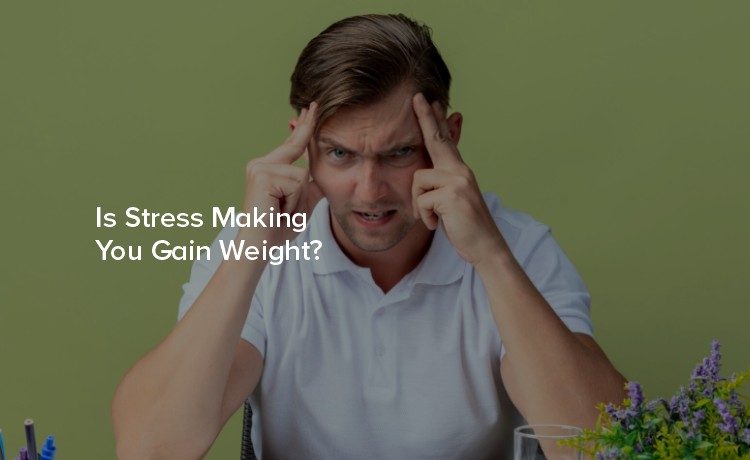
Stepping on the scale after a particularly challenging week and finding an unwelcome surprise is a common experience. Many people notice their weight fluctuating during stressful periods, but the connection between stress and weight gain goes deeper than emotional eating or skipped workouts.
Understanding how stress affects your body's weight regulation mechanisms can help you make informed decisions about your health and develop effective strategies for managing both stress and weight. The relationship between psychological pressure and physical changes in your body involves complex hormonal pathways that influence everything from your metabolism to where fat gets stored.
Your body responds to stress through a sophisticated biological system designed to help you survive immediate threats. When faced with stressful situations, your adrenal glands release cortisol, often called the "stress hormone." This response served our ancestors well when they needed quick energy to escape predators, but chronic activation of this system in modern life creates different challenges.
Elevated cortisol levels trigger several physiological changes that can lead to weight gain. First, cortisol increases your appetite, particularly for high-calorie, comfort foods rich in sugar and fat. This isn't a character flaw—it's your body attempting to replenish energy stores it believes you've depleted during the stressful event.
Cortisol also affects how your body processes and stores nutrients. It promotes the breakdown of muscle tissue to create glucose for immediate energy, while simultaneously encouraging fat storage, particularly around your midsection. This visceral fat accumulation occurs because abdominal fat cells have more cortisol receptors than fat cells in other areas of your body.
The impact of chronic stress extends beyond the number on your scale, creating visible changes in your overall appearance:
Facial Changes: Prolonged stress can lead to facial puffiness and swelling due to increased cortisol production. You might notice your face appearing rounder or more bloated, particularly around your cheeks and jawline.
Skin Issues: Stress hormones can trigger inflammation throughout your body, often manifesting as acne breakouts, dull complexion, or premature aging. The increased cortisol can also slow down your skin's natural healing process.
Posture and Body Language: Chronic stress often leads to muscle tension, particularly in your shoulders and neck, which can affect your posture and make you appear less confident or energetic.
Sleep-Related Appearance Changes: Stress frequently disrupts sleep quality, leading to dark circles under your eyes, a tired complexion, and overall fatigue that shows in your facial expressions.
Hair Changes: Extended periods of high stress can cause hair thinning, loss of shine, or even temporary hair loss due to the disruption of normal hair growth cycles.
Stress-related weight gain often creates a self-perpetuating cycle that can be challenging to break. As you gain weight due to stress, you may experience additional stress about your appearance or health, which triggers more cortisol release and potentially more weight gain.
This cycle is reinforced by several factors. Sleep disruption caused by stress affects hormones that regulate hunger and satiety, making you more likely to overeat. Stress can also lead to emotional eating patterns, where food becomes a coping mechanism rather than fuel for your body.
Additionally, when you're stressed, you're more likely to skip regular exercise or choose quick, processed foods over nutritious meals. These lifestyle changes compound the biological effects of stress hormones, creating multiple pathways to weight gain.
Breaking the stress-weight cycle requires addressing both the psychological and physical aspects of the problem. Implementing stress management techniques can help regulate cortisol levels and support healthy weight maintenance.
Prioritize Sleep Quality: Aim for seven to nine hours of quality sleep each night. Establish a consistent bedtime routine and create a sleep-friendly environment by keeping your bedroom cool, dark, and quiet. Poor sleep amplifies stress responses and disrupts weight-regulating hormones.
Practice Mindful Eating: Pay attention to your hunger and fullness cues rather than eating in response to emotions. When you feel the urge to eat during stressful moments, pause and ask yourself whether you're physically hungry or seeking comfort.
Incorporate Regular Movement: Exercise doesn't have to be intense to be effective for stress management. Even moderate activities like walking, yoga, or swimming can help reduce cortisol levels and support healthy weight management.
Develop Stress-Reduction Techniques: Find healthy ways to process stress that don't involve food. This might include meditation, deep breathing exercises, journaling, or engaging in hobbies that bring you joy.
While lifestyle modifications can be highly effective, some situations warrant professional guidance. If you're experiencing persistent weight gain despite healthy eating and regular exercise, or if stress is significantly impacting your daily life, consider consulting with healthcare professionals.
A healthcare provider can evaluate whether underlying hormonal imbalances or medical conditions might be contributing to your stress and weight concerns. They can also help you develop a personalized approach that addresses your specific situation and health goals.
Working with a registered dietitian can provide valuable support in developing sustainable eating patterns that nourish your body while managing stress-related food cravings. Mental health professionals can offer additional tools for stress management and help you address any emotional eating patterns.
Managing stress-related weight changes isn't about perfection—it's about developing sustainable practices that support your overall well-being. Focus on progress rather than perfection, and recognize that building new habits takes time and patience with yourself.
Consider stress management as an investment in your long-term health rather than a temporary fix. The strategies that help you manage stress more effectively will benefit not only your weight but also your energy levels, mood, sleep quality, and overall quality of life.