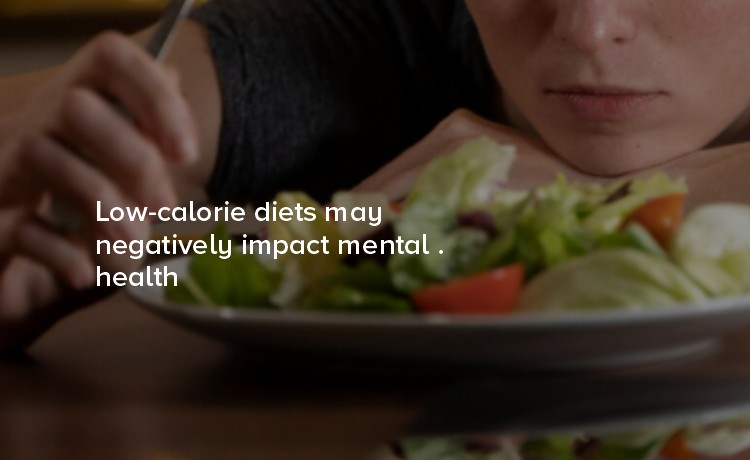
Low-calorie diets are often hailed as the solution for weight loss and improved physical health. Restricting calorie intake does seem logical when attempting to lose weight. However, there’s another side to these diets that often goes unaddressed, one that involves our mental health. While they may help in shedding pounds, low-calorie diets can sometimes come with unintended consequences for mood, energy, and cognitive function.
When you significantly reduce your calorie intake, your body and brain go into conservation mode. This is an evolutionary survival mechanism designed to protect you during times of scarcity. While this might seem beneficial for weight loss, it also impacts various systems in your body in ways that might not always be positive.
Hormonal Changes
Low-calorie diets can disrupt hormones like cortisol (the stress hormone) and serotonin (a neurotransmitter tied to mood regulation). When calorie intake is consistently too low, cortisol levels can rise, potentially leading to feelings of stress and anxiety. Simultaneously, a significant calorie deficit can reduce serotonin levels, leading to irritability and low mood.
Energy and Brain Function
Food is fuel, and when the brain isn’t getting enough of it, cognitive functions such as concentration, memory, and problem-solving can suffer. Low-calorie diets can lead to a state referred to as "brain fog," where mental clarity and focus diminish, creating challenges in daily tasks.
Blood Sugar Imbalances
Cutting back drastically on calories can result in imbalanced blood sugar levels, particularly if meals are skipped or poorly structured. This can leave individuals feeling light-headed, fatigued, or even moody as their body struggles to maintain stable energy levels throughout the day.
Mood Swings and Irritability
When your body senses a calorie deficit, it often triggers mood swings and irritability. This is partly because the brain isn’t receiving the glucose it needs. Glucose is the brain’s primary energy source; without enough of it, stress and negativity can take over.
Increased Anxiety Levels
Low-calorie diets can also increase feelings of anxiety. Studies show that calorie restriction may stimulate the brain’s fight-or-flight response, amplifying feelings of unease and worry. For individuals already prone to anxiety, this heightened state can become particularly challenging to manage.
Social Withdrawal
Food is deeply tied to social interaction. Following a restrictive diet can sometimes lead to avoidance of social gatherings where food is central, contributing to feelings of isolation and loneliness. This lack of social connection can further impact mental health, creating a negative feedback loop.
Evidence suggests that long-term calorie restriction may be associated with increased symptoms of depression. One theory is that restricting calories suppresses dopamine, a neurotransmitter associated with reward and pleasure. When dopamine levels drop, feelings of satisfaction and motivation can wane.
Additionally, the stress of maintaining a restricted diet can cause what’s known as "diet fatigue," where individuals feel overwhelmed by constantly tracking their food intake or facing the deprivation that a low-calorie lifestyle often demands. This mental exhaustion can spiral into deeper emotional challenges.
Did you know your gut and brain are closely connected? This relationship, often called the gut-brain axis, plays a crucial role in regulating emotional and mental health. A low-calorie diet often lacks the diversity of nutrients needed to support a healthy gut microbiome. When your gut health suffers, so does your mood.
For example, a diet low in Fiber and healthy fats can reduce the production of short-chain fatty acids in the gut, which are essential for brain function. The result? Increased stress, anxiety, and even symptoms of depression.
Nutritional Deficiencies
Low-calorie diets can also lead to deficiencies in vitamins and minerals that directly impact mental health. Key nutrients like vitamin B12, magnesium, and omega-3 fatty acids are essential for brain health. Without these nutrients, the likelihood of mental health disturbances increases.
Chronic Stress Response
The chronic stress created by calorie restriction activates the HPA (hypothalamic-pituitary-adrenal) axis, a system in the body that regulates stress response. When overstimulated, the HPA axis can alter mood, disturb sleep patterns, and fuel feelings of anxiety or depression.
The good news is that it’s possible to meet your health goals without compromising your mental well-being. Here are some tips to help you strike a balance:
Focus on Nutrient Density
Rather than just counting calories, prioritize foods that are rich in nutrients. Include plenty of leafy greens, lean proteins, whole grains, and healthy fats in your meals. These foods provide sustained energy and support both brain and body functions.
Listen to Your Body
Hunger is your body’s way of signalling its needs. Ignoring hunger cues can lead to overeating later on or, worse, a pattern where restriction and bingeing alternate. Eating intuitively can help you learn to recognize the difference between physical hunger and emotional cravings.
Add Healthy Snacks
Healthy snacks, such as nuts, yogurt, or fresh fruit, can prevent blood sugar dips and keep mood swings at bay. Think of snacks as small "recharges" to maintain consistent energy and emotions throughout the day.
Stay Hydrated
Dehydration mimics symptoms of fatigue and moodiness, so make sure you’re drinking enough water. Sometimes, what feels like hunger can actually be thirst.
Make Time for Movement
Exercise doesn’t just benefit physical health; it’s also a natural mood booster. Even light activity, like walking or stretching, can release endorphins that improve your mood and help manage stress.
Consult a Professional
If you're considering significant dietary changes, working with a nutritionist or dietitian can ensure your plan aligns with both your physical and mental health needs. They can help create a balanced approach tailored to your unique goals.
While the allure of a low-calorie diet may be strong, it’s essential to remember that true health encompasses both physical and mental aspects. Sacrificing your mental well-being for the sake of weight loss often leads to more harm than good. By taking a balanced, nutrient-rich approach to dieting, you can support your mental health while working toward your goals.
If you or someone you know struggles to find a balance between nutrition and mental health, reach out to a health professional who specializes in holistic well-being. Sometimes, achieving harmony means stepping back, reevaluating, and making adjustments that benefit not just your body, but also your mind.