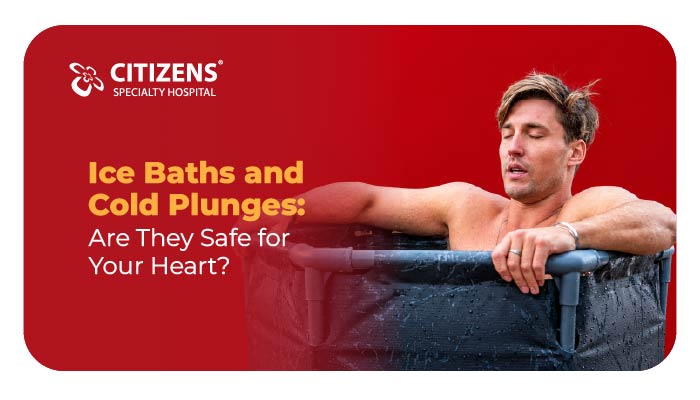
Ice baths and cold plunges have moved from elite sports locker rooms to social media feeds and home balconies. Influencers swear they boost mood, burn fat, speed up recovery and sharpen focus. Gyms and wellness centres now offer cold plunge tubs, and many people are filling bathtubs with ice at home.
What Happens to Your Body in Cold Water?
When you step into water below about 15°C, your body reacts within seconds. This is called the cold shock response, and it unfolds in stages.
The First Minute: Cold Shock
Minutes One to Ten: Adjustment
If you stay calm, breathing settles. Blood vessels in the limbs stay narrowed, and the body works hard to protect the core. Muscles in the hands and feet begin to stiffen.
Beyond Ten Minutes: Cooling
With longer exposure, core temperature can start to fall, raising the risk of hypothermia, confusion and loss of coordination.
How Cold Water Affects the Heart
Increased Workload
The combination of a racing heart and high blood pressure means the heart must pump harder against greater resistance. A healthy heart copes well. A heart with narrowed arteries may not receive enough oxygen to meet this sudden demand.
Autonomic Conflict
Cold water on the face can trigger the "diving reflex", which slows the heart. At the same time, cold shock speeds it up. When these two opposing signals collide, the heart's electrical system can become confused. Researchers believe this "autonomic conflict" may trigger abnormal heart rhythms in susceptible people.
Rhythm Disturbances
Extra beats and brief irregular rhythms are common during cold immersion, even in healthy people. In those with inherited rhythm conditions, such as long QT syndrome, or with existing heart disease, the risk of a dangerous arrhythmia is higher.
Potential Benefits of Ice Baths
It is fair to look at both sides. Research on cold water immersion is still developing, but some potential benefits include:
Claims about major fat loss, immune "boosting" and disease prevention are not yet backed by strong evidence. Some studies also suggest frequent ice baths straight after strength training may reduce muscle growth over time.
Who Should Avoid Ice Baths or Talk to a Doctor First?
Cold plunges are not for everyone. Speak with a doctor before trying them if you have:
If you have ever had chest pain, fainting or palpitations during exercise, get a heart check-up before starting cold water therapy.
Warning Signs to Get Out Immediately
Leave the water at once and seek help if you experience:
How to Try Cold Plunges More Safely
If your doctor has given you the all-clear, these steps can lower your risk:
Ice Baths vs Sauna: A Note on Contrast Therapy
Some people alternate between a hot sauna and a cold plunge. This "contrast therapy" places even greater swings on blood pressure and heart rate. While popular in some cultures and generally tolerated by healthy people, it is best avoided by anyone with heart disease unless a cardiologist approves.
Heart Checks Worth Considering
If you are over 40, have risk factors such as diabetes, smoking, high cholesterol or high blood pressure, or have any symptoms, consider a basic cardiac evaluation before regular cold exposure:
Cold Water Swimming: Extra Risks Outdoors
Open-water swimming in lakes, rivers or the sea adds dangers that a controlled tub at home does not. The gasp reflex can cause people to inhale water, and cold muscles quickly lose strength, making it harder to swim back to safety. Currents, waves and unseen depths increase the risk further. Most cold water drownings happen within the first few minutes, often close to shore and in people who are confident swimmers.
If you enjoy outdoor cold water swimming:
Myths and Facts About Ice Baths
Frequently Asked Questions
How cold should an ice bath be?
Most people get benefits between 10 and 15°C. Very cold water below 10°C increases risk without clear additional benefit, especially for beginners.
Can cold plunges lower blood pressure in the long run?
Some studies suggest regular cold exposure may help the body adapt, but the immediate effect is a rise in blood pressure. People with hypertension should not use cold plunges as a treatment.
Is it safe to take an ice bath every day?
Healthy, well-adapted people often do short daily sessions without problems. Frequency should be built up gradually and adjusted if you feel unwell.