High blood pressure affects nearly one in three adults in India, yet many people are unaware that they have it. This condition is often called “the silent killer” because it usually develops without noticeable symptoms, all while slowly damaging the heart, blood vessels, and other vital organs. Understanding hypertension and taking proactive steps to manage it are crucial, as timely intervention can prevent serious health complications and safeguard long-term well-being.
Hypertension occurs when the force of blood against your artery walls remains consistently elevated. While your blood pressure naturally fluctuates throughout the day, persistent readings of 130/80 mmHg or higher indicate hypertension that requires medical attention and lifestyle modifications.
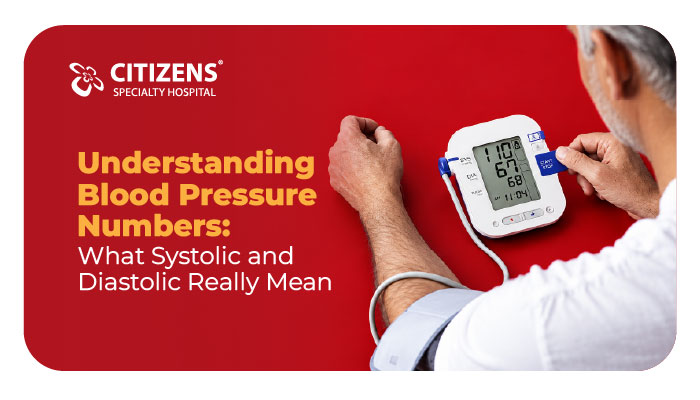
Blood pressure readings consist of two measurements that provide crucial information about your cardiovascular health. The systolic pressure (top number) measures the force when your heart beats and pumps blood. The diastolic pressure (bottom number) indicates the pressure between heartbeats when your heart rests.
Normal blood pressure falls below 120/80 mmHg. Elevated blood pressure ranges from 120-129 systolic with diastolic below 80. Stage 1 hypertension occurs with systolic readings of 130-139 or diastolic of 80-89. Stage 2 hypertension involves systolic readings of 140 or higher, or diastolic of 90 or higher.
A hypertensive crisis requires immediate medical attention when systolic exceeds 180 or diastolic surpasses 120. These dangerous levels can lead to organ damage and life-threatening complications without prompt intervention.
Several factors contribute to hypertension development, with some being modifiable through lifestyle changes while others remain beyond your control. Age naturally increases hypertension risk, as blood vessels lose elasticity over time. Family history plays a significant role, with genetic predisposition affecting your likelihood of developing high blood pressure.
Modifiable risk factors include excess weight, physical inactivity, tobacco use, excessive alcohol consumption, and high sodium intake. Chronic stress, sleep disorders, and certain medical conditions like diabetes and kidney disease also contribute to hypertension development.
Understanding these risk factors empowers you to make informed decisions about your health. While you cannot change your genetics or age, addressing modifiable factors can significantly impact your blood pressure control and overall cardiovascular health.
Hypertension's reputation as a silent killer stems from its ability to cause extensive damage before symptoms appear. Elevated blood pressure forces your heart to work harder, leading to heart muscle thickening and eventual weakening. This process increases your risk of heart failure, arrhythmias, and sudden cardiac death.
Your arteries bear significant strain from persistent high pressure, developing atherosclerosis—a hardening and narrowing process that restricts blood flow. This arterial damage can lead to heart attacks when coronary arteries are affected, or strokes when brain blood vessels are compromised.
Kidney damage represents another serious consequence of uncontrolled hypertension. High blood pressure can damage the delicate blood vessels in your kidneys, impairing their ability to filter waste and excess fluid from your blood. This kidney dysfunction can create a dangerous cycle, as impaired kidneys struggle to regulate blood pressure effectively.
Dietary changes form the foundation of effective hypertension management. The DASH (Dietary Approaches to Stop Hypertension) eating plan emphasizes fruits, vegetables, whole grains, lean proteins, and low-fat dairy products while limiting sodium, saturated fats, and added sugars.
Sodium reduction proves particularly effective for blood pressure control. Most Americans consume far more sodium than the recommended 2,300 mg daily limit, with many exceeding 3,400 mg. Gradually reducing sodium intake by choosing fresh foods over processed options, reading nutrition labels carefully, and using herbs and spices for flavoring can significantly lower blood pressure.
Regular physical activity strengthens your heart muscle, enabling it to pump blood more efficiently with less effort. This reduced workload translates to lower blood pressure readings. Aim for at least 150 minutes of moderate-intensity aerobic activity weekly, such as brisk walking, swimming, or cycling.
Chronic stress contributes to hypertension through multiple pathways, including hormonal changes and behavioral factors like overeating or increased alcohol consumption. Developing effective stress management techniques can support your blood pressure control efforts.
Meditation, deep breathing exercises, yoga, and regular physical activity all help reduce stress levels. Finding healthy outlets for stress, maintaining social connections, and prioritizing activities you enjoy can improve both your mental health and blood pressure.
Quality sleep plays an essential role in blood pressure regulation. Sleep disorders, particularly sleep apnea, are strongly linked to hypertension. Establishing consistent sleep schedules, creating a comfortable sleep environment, and addressing sleep disorders can contribute to better blood pressure control.
While lifestyle modifications form the cornerstone of hypertension treatment, medication may be necessary to achieve target blood pressure levels. Several classes of medications effectively lower blood pressure through different mechanisms.
ACE inhibitors and ARBs block hormones that cause blood vessel constriction. Diuretics help eliminate excess sodium and fluid from your body. Beta-blockers reduce heart rate and the heart's workload. Calcium channel blockers relax blood vessel walls, improving blood flow.
Your healthcare provider will determine the most appropriate medication based on your specific situation, considering factors like other health conditions, potential side effects, and individual response to treatment. Many people require multiple medications to achieve optimal blood pressure control.
Regular blood pressure monitoring allows you to track your progress and identify concerning trends early. Home blood pressure monitors provide convenient, accurate readings when used correctly. Keep a log of your readings to share with your healthcare provider during appointments.
Professional monitoring remains essential for diagnosis and treatment adjustments. Annual checkups should include blood pressure measurement, even if you feel healthy. More frequent monitoring may be necessary if you have elevated readings or other cardiovascular risk factors.
Prevention strategies mirror treatment approaches, emphasizing healthy lifestyle choices from an early age. Teaching children about nutrition, physical activity, and stress management creates lifelong habits that reduce hypertension risk.
Hypertension management requires ongoing commitment and partnership with your healthcare team. While the condition is serious, it responds well to consistent lifestyle modifications and appropriate medical treatment when necessary.
Start with small, sustainable changes that fit your lifestyle and preferences. Focus on adding healthy foods rather than restricting everything you enjoy. Find physical activities that bring you pleasure, making exercise something to anticipate rather than dread.