When it comes to protecting your health, prevention is always better than treatment. Vaccination is one of the most effective preventive measures available today, safeguarding millions of lives across the globe against serious diseases. Among these, vaccines for Hepatitis A and B play a critical role in preventing infections that can lead to severe liver damage.
Before we discuss vaccines, it’s important to understand what Hepatitis A and B are, and why their prevention is so critical.
Hepatitis A
Hepatitis A is caused by the Hepatitis A virus (HAV). It spreads primarily through contaminated food or water or close contact with an infected person. Though not typically chronic, Hepatitis A can cause severe illness, resulting in symptoms such as fatigue, nausea, abdominal pain, and jaundice (yellowing of the skin and eyes). It can also lead to rare but life-threatening liver failure, particularly in older adults and those with pre-existing liver conditions.
Hepatitis B
Hepatitis B is caused by the Hepatitis B virus (HBV) and is transmitted through blood, bodily fluids, or from mother to child during childbirth. Unlike Hepatitis A, HBV infections can become chronic, which may lead to cirrhosis, liver failure, or liver cancer. Approximately 1 in 4 adults who are chronically infected with Hepatitis B may face severe liver damage.
The good news? Both diseases are vaccine-preventable.
Created for Prevention, Built for Protection
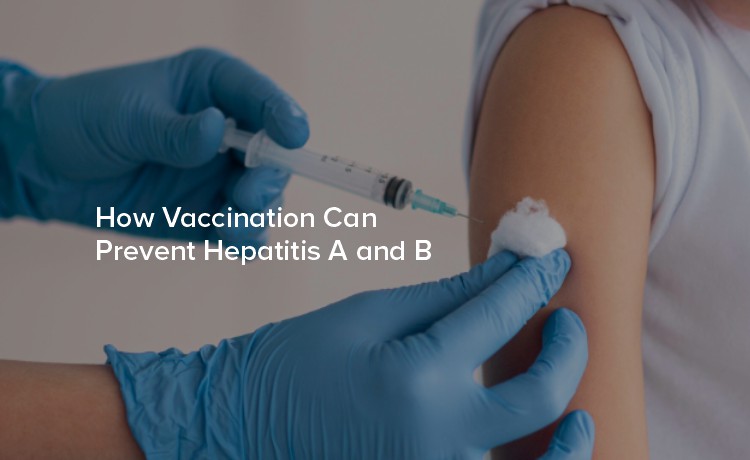
Vaccination works by introducing a weakened or inactive form of the virus into your body, stimulating your immune system to produce antibodies. These antibodies equip your body to recognize and combat the virus if you're exposed in the future.
Global Impact of Hepatitis Vaccines
The introduction of Hepatitis A and B vaccines has dramatically reduced the global burden of these diseases. For example, according to the World Health Organization (WHO), vaccination programs have led to as much as a 90% reduction in new chronic Hepatitis B infections among children in parts of the world where the vaccine is widely used.
Clearly, these vaccines save lives, protect public health, and safeguard the liver from long-term complications like cirrhosis and liver cancer.
Hepatitis A Vaccination
Routine immunization for Hepatitis A is generally advised for the following groups:
Hepatitis B Vaccination
Vaccination for Hepatitis B is essential for:
If you belong to any of these groups and haven’t been vaccinated, it’s never too late to consult your healthcare provider for guidance.
Vaccination Process
Combination vaccines covering both Hepatitis A and B are also available and are a convenient option for individuals needing protection against both viruses. These vaccines follow a dedicated schedule of two or three doses over several months.
The advantages of Hepatitis A and B vaccination extend beyond personal protection.
Protecting Yourself
Protecting Others
Vaccination also helps prevent viral spread within communities, contributing to herd immunity. The more individuals immunized, the less opportunity these viruses have to circulate and infect others.
Despite the clear benefits, misconceptions around vaccinations can make people hesitant. Here are a few myths debunked:
Myth: Vaccines are only for children.
Fact: Adults can benefit too, especially those at higher risk due to travel or occupation.
Myth: Vaccines have severe side effects.
Fact: Hepatitis A and B vaccines are extremely safe, with potential side effects usually limited to mild swelling or soreness at the injection site.
Myth: Natural immunity is enough.
Fact: Immunity from exposure comes at the cost of contracting the virus and suffering its consequences. Vaccination offers a safer alternative.
When it comes to preventing Hepatitis A and B, vaccination is a safe, effective, and proven method. It not only protects you from serious illnesses but also contributes to the greater good of public health.
If you haven’t been vaccinated yet, reach out to your healthcare provider to plan your immunization schedule. Prevention is always better than cure, especially when your health and future are concerned.
Start protecting yourself today, and take control of your well-being. Your liver will thank you.