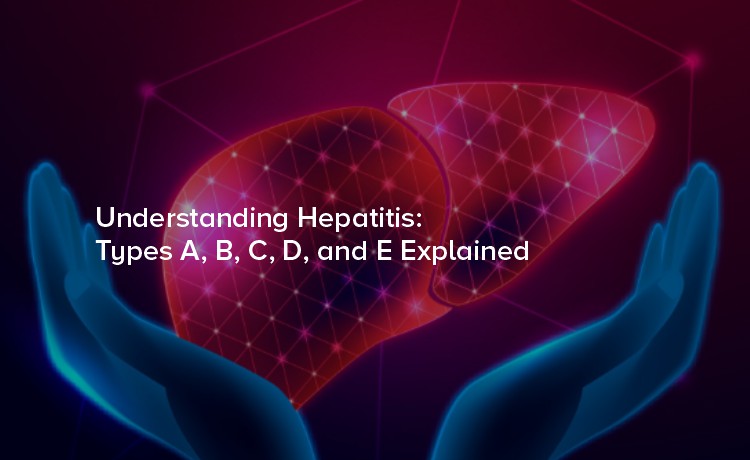
Hepatitis is a medical condition that affects millions across the globe, yet it remains misunderstood by many. Hepatitis refers to inflammation of the liver, which can have damaging effects on this vital organ's ability to function. But did you know that there are five primary types of hepatitis viruses, each with unique causes, risk factors, and preventive measures?
Hepatitis, in medical terms, means inflammation of the liver. The liver is one of the most critical organs in your body. It processes nutrients, filters toxins from your blood, and plays a significant role in digestion. When the liver becomes inflamed, these vital functions are disrupted, leading to a range of health problems.
Hepatitis can result from several causes, including viral infections, alcohol abuse, certain medications, toxins, or underlying medical conditions. However, viral hepatitis is the most common type and is caused by five types of viruses known as hepatitis A, B, C, D, and E.
Transmission
Hepatitis A is primarily transmitted through ingestion of contaminated food or water, or close contact with an infected individual. The virus thrives in regions with poor sanitation and hygiene practices.
Symptoms
The symptoms of hepatitis A often include:
The condition is usually short-term and does not lead to chronic liver disease.
Prevention and Treatment
The good news is that hepatitis A can be prevented through vaccination. Simple measures like washing hands regularly and ensuring your food is properly cooked also help reduce risk. Most individuals recover fully without severe complications, although rest and hydration are essential during recovery.
Transmission
Hepatitis B spreads through contact with infected blood, sexual transmission, or from mother to child during childbirth. Sharing needles and unsterile medical equipment are also common transmission pathways.
Symptoms
Many people with hepatitis B experience mild or no symptoms initially. However, in cases where symptoms do appear, they typically include:
Chronic hepatitis B can lead to serious liver damage, liver failure, or liver cancer if left untreated.
Prevention and Treatment
Hepatitis B is preventable through vaccination, which is critical for high-risk individuals. Chronic cases may require antiviral medication to manage the infection and prevent liver damage. Regular screenings and early detection play vital roles in managing this condition effectively.
Transmission
Hepatitis C is contracted primarily through blood contact, such as sharing needles, unsafe tattoo practices, or receiving contaminated blood transfusions.
Symptoms
This virus is often called a “silent” disease because many people experience no symptoms for years. When symptoms do appear, they can include:
Chronic hepatitis C can result in long-term liver damage, cirrhosis, or liver cancer.
Prevention and Treatment
There is no vaccine available for hepatitis C, but it can be treated and even cured in many cases with antiviral medications. Avoiding risky behaviors, like sharing needles, is crucial for prevention.
Transmission
Hepatitis D is a unique virus that only occurs in people who are already infected with hepatitis B. It is transmitted via blood-to-blood contact or through bodily fluids.
Symptoms
The symptoms of hepatitis D often resemble those of hepatitis B but can be more severe. These include fatigue, nausea, and jaundice.
Prevention and Treatment
There is no vaccine specifically for hepatitis D. However, the hepatitis B vaccine indirectly prevents hepatitis D by protecting against its essential co-infection. Treatments may include antiviral therapies and lifestyle modifications to prevent liver damage.
Transmission
Hepatitis E is typically transmitted through contaminated water in regions with inadequate sanitation systems. It is especially concerning for pregnant women, as it can result in severe complications during pregnancy.
Symptoms
The symptoms of hepatitis E are similar to those of hepatitis A and include:
Prevention and Treatment
Improved water safety and sanitation practices are crucial in preventing hepatitis E. Although a vaccine is available in some countries, it is not yet widely accessible. Fortunately, most individuals recover fully without treatment, but pregnant women should seek medical attention immediately.
Understanding the different types of hepatitis is vital for both prevention and early intervention. Globally, hepatitis contributes to a significant portion of liver disease cases every year. Simple actions like getting vaccinated, practicing safe hygiene, and seeking medical advice when in doubt can prevent the spread of these viruses and save lives.
Gaining knowledge about hepatitis empowers you to make informed decisions for your health and the health of those around you. If you suspect exposure or are experiencing symptoms, consult a healthcare professional for guidance and testing immediately. Remember, the earlier hepatitis is detected, the better your chances for successful treatment and management.