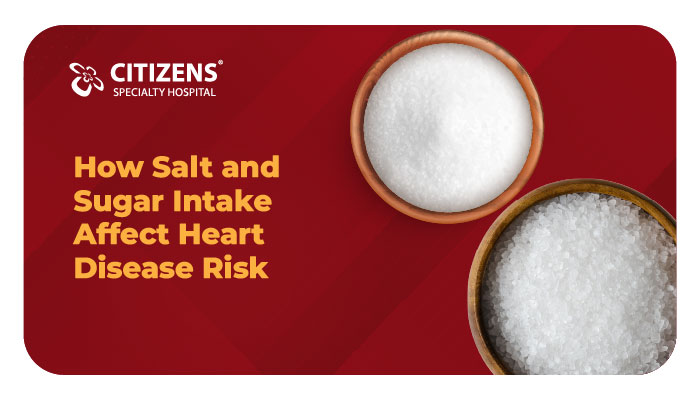
When we think about heart health, we often focus on major lifestyle changes like starting a rigorous exercise routine or quitting smoking. However, the most profound impacts on your cardiovascular system often happen right at the dinner table. The foods you consume daily play a critical role in how your heart functions over a lifetime. Two of the common ingredients in our modern diet, salt and sugar, can significantly influence your risk of developing heart disease.
Understanding how these ingredients affect your body is the first step toward better health. Many people consume far more sodium and added sweeteners than their bodies need. This happens not out of a lack of care, but because these additives are cleverly hidden in everyday packaged foods.
The Role of Sodium in Cardiovascular Health
Sodium is an essential mineral that helps maintain fluid balance in your body. Your nerves and muscles require a small amount of it to function properly. But when intake consistently exceeds the recommended levels, it begins to put undue stress on your cardiovascular system.
How Salt Increases Blood Pressure
Excess sodium causes your body to retain water. This extra fluid increases your overall blood volume, forcing your heart to work harder to push blood through your blood vessels. Over time, this added pressure can stiffen and narrow your arteries, leading to high blood pressure (hypertension).
When blood pressure remains consistently high, the walls of the arteries become damaged. This damage allows plaque to build up more easily, a condition known as atherosclerosis. High blood pressure is a leading risk factor for heart attacks and strokes. Your heart deserves the highest level of care, and reducing sodium is a powerful way to ease its daily workload.
Identifying Hidden Sources of Sodium
You might not use the salt shaker very often, yet you could still be consuming high amounts of sodium. Most of the dietary salt comes from processed and restaurant foods. Items like canned soups, deli meats, condiments, and even seemingly healthy bread can harbor high levels of hidden sodium. Learning to identify these sources allows you to make informed, healthier choices that honor your body.
The Sweet Danger: Sugar and Your Heart
Sugar provides quick energy, but relying on it heavily can create lasting complications for your heart. Added sugars, particularly those found in sweetened beverages and snacks, are directly linked to an increased risk of cardiovascular disease.
The Link Between Sugar, Weight, and heart disease
Consuming large amounts of added sugar leads to excess calorie intake, which frequently results in weight gain. Carrying excess weight, especially around the abdomen, increases your risk for heart disease. High sugar consumption is also tied to chronic inflammation and higher triglyceride levels in the bloodstream. Both factors contribute to the hardening of the arteries, further straining your heart muscle.
Insulin resistance is another critical factor. A diet high in sugar can cause your cells to become less responsive to insulin over time. This forces your pancreas to produce more insulin to manage blood glucose levels, eventually leading to type 2 diabetes. Diabetes is widely recognized by medical professionals as a major risk factor for cardiovascular complications.
Spotting Added Sugars in Daily Meals
Like salt, added sugars sneak into foods that do not even taste sweet. Salad dressings, pasta sauces, and flavored yogurts frequently contain high amounts of added sugars to enhance flavor and preserve shelf life. Reading ingredient lists and looking for terms like high-fructose corn syrup, cane juice, or sucrose can help you manage your daily intake and protect your cardiovascular health.
Practical Steps for a Heart-Healthy Diet
Transitioning to a diet that supports your heart does not require sacrificing flavor. Small, sustainable changes can yield remarkable benefits for your long-term health and well-being.
Reading Nutrition Labels
Make it a habit to check the nutrition facts panel on packaged foods. Look closely at the sodium and added sugar content per serving. Choosing items with lower percentages of these ingredients helps you build a nutritional foundation that supports your heart. Pay attention to serving sizes, as consuming multiple servings can quickly push you over your daily recommended limits.
Cooking at Home
Preparing your meals in your own kitchen gives you complete control over what goes into your body. You can experiment with garlic, onion powder, paprika, and fresh herbs to create vibrant flavors without relying on the salt shaker or the sugar bowl. Home cooking allows you to craft meals that are both highly nutritious and deeply satisfying.
Embracing Whole Foods
The simplest way to reduce salt and sugar is to focus your diet on whole, unprocessed foods. Fresh fruits, vegetables, lean proteins, and whole grains naturally contain very low levels of sodium and absolutely no added sugars. These foods provide essential vitamins, minerals, and dietary fiber that actively promote cardiovascular wellness.
Conclusion
The foods we eat play a major role in heart health. While salt and sugar are both part of many diets worldwide, excessive consumption significantly increases the risk of heart disease. Reducing your intake of both especially from processed and packaged foods can improve your heart health and overall well-being.
Making small, consistent changes like drinking water instead of sugary drinks, seasoning food with herbs instead of salt, and reading nutrition labels can help you take control of your heart health.