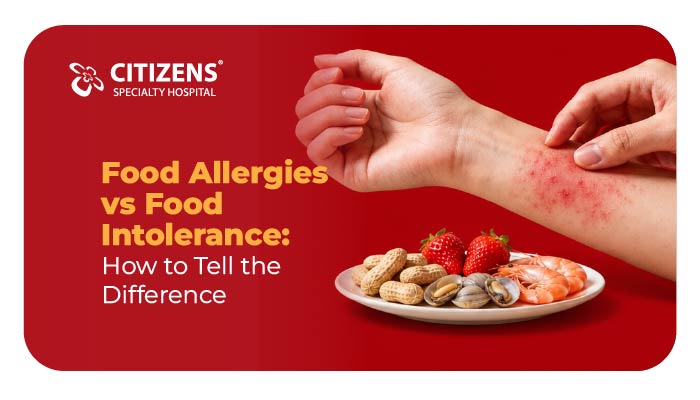
Food Allergies vs Food Intolerance: How to Tell the Difference
You eat a meal, and soon afterwards something does not feel right. Perhaps your stomach is bloated and cramping, or perhaps your lips are tingling and your skin is breaking out in hives. Many people use the words "allergy" and "intolerance" interchangeably, but medically they are very different.
What Is a Food Allergy?
A food allergy occurs when the immune system mistakenly identifies a harmless food protein as a threat. In the most common type, the body produces IgE antibodies against the food. When the food is eaten again, these antibodies trigger the release of histamine and other chemicals, causing symptoms that can affect the skin, gut, airways and circulation.
Key Features of Food Allergy
- Symptoms usually start within minutes to two hours of eating
- Even a tiny amount of the food can cause a reaction
- Reactions can affect multiple body systems
- Reactions can be severe and life-threatening (anaphylaxis)
- The reaction tends to happen every time the food is eaten
Common Food Allergens
- Peanuts
- Tree nuts (cashew, almond, walnut, pistachio)
- Milk
- Eggs
- Fish
- Shellfish (prawns, crab, lobster)
- Wheat
- Soy
- Sesame
- Mustard and certain seeds in some regions
Children commonly outgrow milk, egg, wheat and soy allergies. Peanut, tree nut, fish and shellfish allergies are more likely to last into adulthood.
What Is a Food Intolerance?
A food intolerance does not involve the IgE immune response. It usually happens because the body has difficulty digesting a particular food or reacts to a natural chemical or additive in it.
Key Features of Food Intolerance
- Symptoms often start gradually, sometimes several hours after eating
- Symptoms are mostly digestive
- The severity usually depends on the amount eaten; small amounts may be tolerated
- It is not life-threatening
- Symptoms can vary from day to day
Common Types of Food Intolerance
- Lactose intolerance: a shortage of the enzyme lactase, which breaks down milk sugar. Very common in adults in India and many parts of Asia.
- Fructose malabsorption: difficulty absorbing fruit sugar.
- FODMAP sensitivity: fermentable carbohydrates found in onions, garlic, wheat and legumes can trigger symptoms, especially in people with IBS.
- Non-celiac gluten sensitivity
- Sensitivity to food additives: such as sulphites in wine and dried fruit, or MSG in some people.
- Histamine intolerance: a reaction to histamine-rich foods such as aged cheese, fermented foods and alcohol.
- Caffeine sensitivity
Comparing Symptoms
Typical Food Allergy Symptoms
- Itchy mouth, lips or throat
- Hives (raised, itchy red welts)
- Swelling of the lips, face, tongue or eyes
- Vomiting, abdominal pain or diarrhoea soon after eating
- Runny nose, sneezing or itchy eyes
- Coughing, wheezing or shortness of breath
- Dizziness or a drop in blood pressure
Typical Food Intolerance Symptoms
- Bloating and gas
- Abdominal cramps
- Diarrhoea or loose stools
- Nausea
- Heartburn
- Headaches or migraines (in some people)
- General discomfort and fatigue
Anaphylaxis: Recognising an Emergency
Anaphylaxis is a severe, rapid allergic reaction that can be fatal if not treated immediately. Warning signs include:
- Difficulty breathing or noisy breathing
- Swelling of the tongue or throat
- Tightness in the throat or a hoarse voice
- Wheezing or persistent cough
- Dizziness, collapse or loss of consciousness
- Pale, floppy appearance in young children
- Rapid, weak pulse
Other Conditions That Can Cause Confusion
- Celiac disease: an autoimmune reaction to gluten that damages the intestine. It is neither a classic allergy nor a simple intolerance.
- Eosinophilic oesophagitis: an allergic inflammation of the food pipe that causes difficulty swallowing and food getting stuck.
- Food protein-induced enterocolitis syndrome (FPIES): a delayed allergic reaction in infants causing repeated vomiting hours after eating.
- Oral allergy syndrome: itching of the mouth after eating certain raw fruits or vegetables in people with pollen allergy.
- Food poisoning: caused by contaminated food rather than the food itself.
- Irritable bowel syndrome
How Are Food Allergies Diagnosed?
Medical History
A detailed history of what was eaten, how much, how quickly symptoms began and what symptoms occurred is the most important step.
Skin Prick Test
A small amount of food extract is placed on the skin, which is gently pricked. A raised bump suggests sensitisation.
Specific IgE Blood Tests
Measure antibodies to particular foods. Component-resolved testing can help predict the risk of severe reactions for some foods, such as peanut.
Oral Food Challenge
The gold standard test. Under close medical supervision, the person eats gradually increasing amounts of the food to see whether a reaction occurs. This must only be done in a facility equipped to handle anaphylaxis.
How Are Food Intolerances Diagnosed?
- Food and symptom diary: to identify patterns
- Elimination diet: removing the suspected food for two to four weeks and then reintroducing it to see whether symptoms return, preferably with a dietitian's guidance
- Hydrogen breath tests: for lactose and fructose malabsorption, and small intestinal bacterial overgrowth
- Blood tests and endoscopy: to rule out celiac disease and other conditions
Beware of Unproven Tests
Some clinics and online companies offer "food intolerance" tests based on IgG antibodies, hair analysis, kinesiology or electrodermal testing. These tests are not supported by scientific evidence and often lead to unnecessary dietary restrictions. IgG antibodies to foods generally reflect normal exposure to those foods, not intolerance.
Managing Food Allergies
- Strict avoidance of the allergen
- Read food labels carefully, including "may contain" warnings
- Inform restaurants and caterers about your allergy
- Carry an adrenaline auto-injector if prescribed, and make sure family, teachers and colleagues know how to use it
- Have an allergy action plan
- Wear a medical alert bracelet for severe allergies
- Discuss oral immunotherapy with a specialist in selected cases, especially for children with peanut allergy
Managing Food Intolerances
- Reduce, rather than completely eliminate, the trigger food when possible
- Lactose intolerance: try lactose-free milk, curd and paneer (often better tolerated), hard cheeses and lactase enzyme supplements
- FODMAP sensitivity: a dietitian-guided low FODMAP plan
- Eat smaller portions and spread trigger foods across the day
- Maintain a balanced diet to avoid nutritional gaps
Food Allergies in Children: Tips for Parents
Food allergies are most common in babies and young children. Current guidance in many countries suggests that introducing common allergenic foods such as peanut (as smooth peanut butter or powder mixed into food, never whole nuts) and well-cooked egg at around six months of age, alongside other solid foods, may reduce the risk of developing an allergy. Babies with severe eczema or an existing egg allergy are at higher risk and should be assessed by a doctor before peanut is introduced.
If your child has a diagnosed food allergy:
- Share a written allergy action plan with the school, day care and caregivers
- Make sure an adrenaline auto-injector, if prescribed, goes everywhere with your child
- Teach older children to recognise their allergen and to ask before eating shared food
- Review the allergy with a specialist every one to two years, as many childhood allergies are outgrown
Frequently Asked Questions
Can you develop a food allergy as an adult?
Yes. Adults can develop new allergies, most commonly to shellfish, fish, tree nuts and peanuts.
Is lactose intolerance the same as milk allergy?
No. Lactose intolerance is a digestive problem with milk sugar. Milk allergy is an immune reaction to milk proteins and can cause hives, vomiting or anaphylaxis.
Can food intolerance become an allergy?
No. They involve different mechanisms. However, new symptoms should always be evaluated.