Gluten-free foods now fill supermarket shelves, and many people cut out wheat because they feel bloated or tired after eating it. But not every reaction to gluten is the same. Celiac disease, non-celiac gluten sensitivity and wheat allergy can cause similar symptoms, yet they are very different conditions with very different consequences.
What Is Gluten?
Gluten is a protein found in wheat, barley and rye. It gives dough its stretchy texture and is present in chapati, bread, pasta, biscuits, cakes and many processed foods. It also hides in sauces, soups, seasonings and some medicines. Oats are naturally gluten-free but are often contaminated during processing.
What Is Celiac Disease?
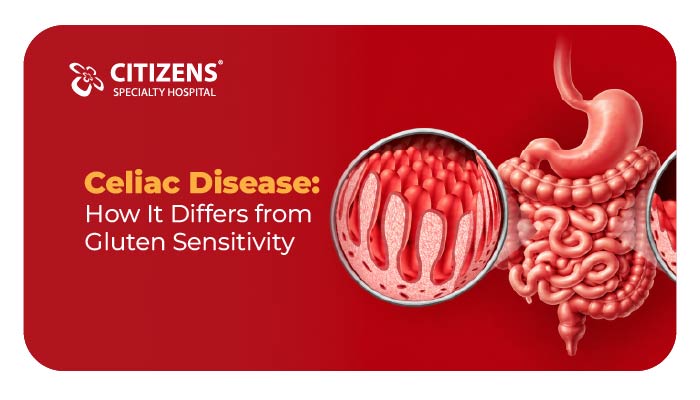
Celiac disease (also spelled coeliac) is an autoimmune disease. In people with a specific genetic make-up, eating gluten causes the immune system to attack the lining of the small intestine. This damages the tiny finger-like projections called villi that absorb nutrients from food.
Key facts about celiac disease:
What Is Non-Celiac Gluten Sensitivity?
Non-celiac gluten sensitivity (NCGS), sometimes called gluten intolerance, describes people who develop symptoms after eating gluten-containing foods but do not have celiac disease or wheat allergy.
Key facts about gluten sensitivity:
What About Wheat Allergy?
Wheat allergy is a third, separate condition. It is an allergic reaction involving IgE antibodies, similar to a peanut or shellfish allergy. Symptoms can appear within minutes and include hives, swelling, wheezing, vomiting and, rarely, anaphylaxis. It is more common in children and is diagnosed with skin prick or specific IgE blood tests.
Celiac Disease vs Gluten Sensitivity at a Glance
Symptoms: Why They Overlap
Both conditions can cause:
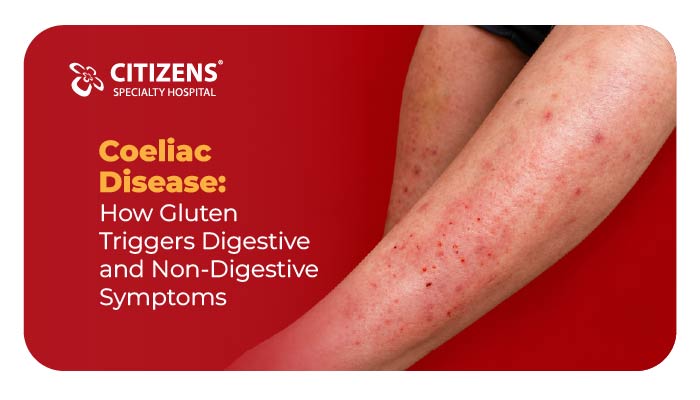
However, celiac disease is more likely to cause signs of poor absorption and autoimmune effects, such as:
Some people with celiac disease have no digestive symptoms at all. Anaemia, fatigue or low bone density may be the only clues.
How Is Celiac Disease Diagnosed?
Step 1: Blood Tests
The first step is a blood test for celiac antibodies:
Step 2: Endoscopy and Biopsy
If antibodies are positive, a gastroenterologist usually performs an upper endoscopy and takes small samples (biopsies) from the duodenum to confirm the damage under a microscope.
Step 3: Genetic Testing (in some cases)
HLA-DQ2/DQ8 testing is helpful mainly to rule out celiac disease. If you do not carry these genes, celiac disease is very unlikely.
Why You Must Keep Eating Gluten Before Testing
This is one of the most important points. Celiac blood tests and biopsies only work if you are eating gluten regularly. If you go gluten-free first, your antibodies may fall and your intestine may heal, leading to a false-negative result.
Doctors typically advise eating gluten-containing foods daily for at least six weeks before testing. If you have already stopped gluten, talk to a gastroenterologist about a supervised "gluten challenge".
How Is Gluten Sensitivity Diagnosed?
Gluten sensitivity is a diagnosis of exclusion. Doctors first rule out celiac disease and wheat allergy. If those tests are negative and symptoms clearly improve on a gluten-free diet and return when gluten is reintroduced, gluten sensitivity is likely. A dietitian may also check whether FODMAPs or IBS are part of the picture.
Treatment for Celiac Disease
The only treatment is a strict, lifelong gluten-free diet. This means:
Most people feel better within weeks, though full intestinal healing can take months to years. Doctors also correct nutritional deficiencies and monitor bone health and antibody levels.
Treatment for Gluten Sensitivity
People with gluten sensitivity often do well by reducing rather than completely eliminating gluten. A dietitian can help identify personal thresholds and check whether a low FODMAP approach works better. Periodic reassessment is useful because tolerance may change over time.
Risks of Going Gluten-Free Without a Diagnosis
Cutting out gluten without proper testing can:
Gluten-Free Eating Made Easier in Indian Kitchens
For people diagnosed with celiac disease, a gluten-free diet can feel overwhelming at first, especially in households where wheat chapati is eaten daily. The good news is that traditional Indian cuisine offers many naturally gluten-free options:
Be cautious with hing (asafoetida), which is often blended with wheat flour, as well as packaged spice mixes, papads, namkeens and restaurant gravies thickened with flour. Use a separate tawa and storage containers where possible, and inform restaurants clearly about your needs. A dietitian can help you build balanced meals so that you get enough fibre, iron, calcium and B vitamins.
Frequently Asked Questions
Can gluten sensitivity turn into celiac disease?
There is no evidence that gluten sensitivity progresses to celiac disease. However, celiac disease can develop at any age, so new or worsening symptoms deserve re-testing.
Can I eat a little gluten if I have celiac disease?
No. Even small amounts can trigger immune damage, even if you feel no symptoms.
Should family members be tested?
Yes. Parents, siblings and children of people with celiac disease should be screened, even without symptoms.