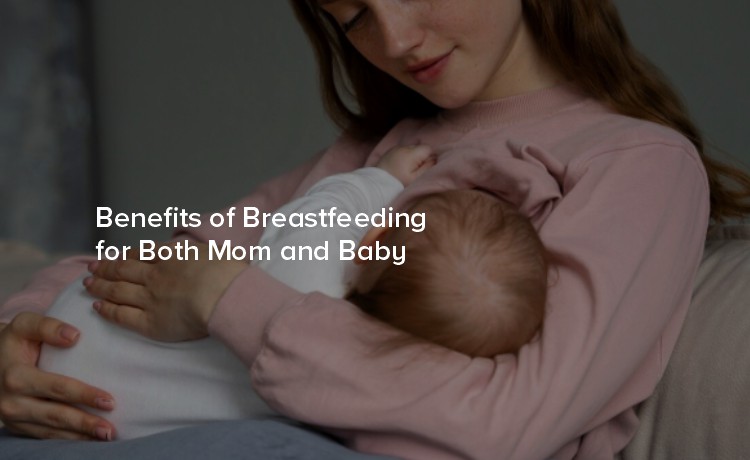
Breastfeeding represents one of nature's most remarkable systems, providing profound benefits that extend far beyond basic nutrition. While the decision to breastfeed is deeply personal, understanding the extensive advantages for both mother and baby can help inform this important choice.
Medical research consistently demonstrates that breastfeeding offers unique health benefits that cannot be replicated through other feeding methods. From boosting infant immunity to reducing maternal health risks, the advantages of breastfeeding create lasting positive effects that can influence health outcomes for years to come.
Breast milk provides the perfect nutritional balance specifically designed for human infants. Unlike formula, which remains static in composition, breast milk adapts continuously to meet your baby's changing needs throughout their development.
The protein composition in breast milk is ideally suited for infant digestion, containing the right ratio of whey to casein proteins. These proteins break down easily, reducing digestive stress while providing essential amino acids for growth and development.
Breast milk functions as your baby's first vaccine, delivering powerful immune-boosting compounds that provide both immediate and long-term protection. Colostrum, the first milk produced after birth, contains concentrated antibodies and immune factors that establish your baby's initial defense system.
The immunological benefits continue throughout the breastfeeding period, with breast milk containing live white blood cells, antibodies, and antimicrobial proteins that actively fight infections and diseases.
Research reveals significant cognitive benefits associated with breastfeeding, with studies showing improved brain development and higher IQ scores in breastfed children. The unique fatty acid profile in breast milk, particularly DHA (docosahexaenoic acid), plays a crucial role in brain tissue development.
The physical act of breastfeeding also promotes proper jaw and facial development, potentially reducing the need for orthodontic interventions later in childhood. The sucking motion required for breastfeeding differs from bottle feeding, encouraging optimal oral development.
Breastfeeding triggers the release of oxytocin, a hormone that helps the uterus contract and return to its pre-pregnancy size more quickly. This natural process reduces postpartum bleeding and promotes faster healing after childbirth.
The hormonal changes associated with breastfeeding also support emotional bonding and can help stabilize mood during the postpartum period. Many mothers report feeling more confident and connected to their babies through the breastfeeding experience.
The health benefits for breastfeeding mothers extend well beyond the immediate postpartum period. Extensive research demonstrates that breastfeeding provides significant protection against several serious health conditions.
The hormonal changes during breastfeeding promote maternal bonding and emotional stability. Prolactin, known as the "mothering hormone," creates feelings of calm and nurturing, while oxytocin fosters attachment and reduces stress levels.
Many mothers find breastfeeding provides quiet moments of connection with their babies, creating positive associations and memories during this transformative period. This emotional bonding can have lasting effects on the mother-child relationship.
Success with breastfeeding often depends on proper education, support, and realistic expectations. The early days require patience as both mother and baby learn this new skill together.
Proper positioning and latch technique are essential for comfortable, effective breastfeeding. Working with a lactation consultant can provide valuable guidance and help address any challenges that arise during the initial learning period.
While breastfeeding offers numerous benefits, it's important to acknowledge that some mothers may experience difficulties. Common challenges include initial discomfort, concerns about milk supply, or scheduling difficulties with work commitments.
Professional support from healthcare providers, lactation consultants, and peer support groups can help address these challenges effectively. Many obstacles that initially seem insurmountable can be resolved with proper guidance and support.
Every family's situation is unique, and the decision about infant feeding should consider individual circumstances, health factors, and personal preferences. While the benefits of breastfeeding are well-established, the most important factor is ensuring your baby receives adequate nutrition and that both mother and child are healthy and thriving.
For mothers who choose to breastfeed, understanding these benefits can provide motivation during challenging moments. For those who cannot breastfeed or choose alternative feeding methods, focusing on bonding, responsive feeding practices, and overall infant care remains paramount.