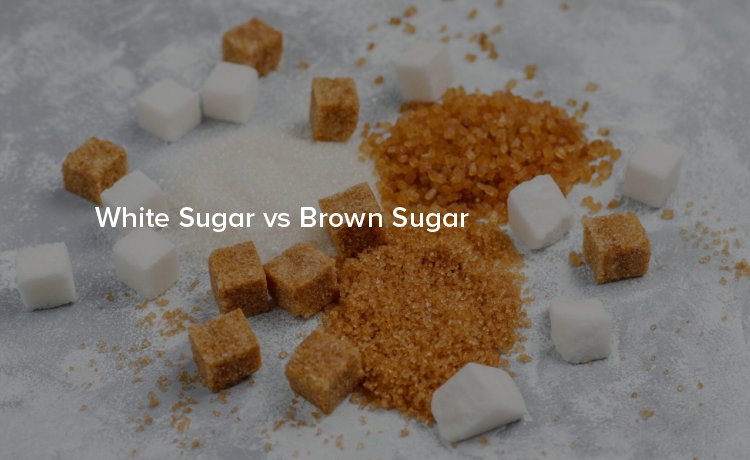
Sugar is a staple in most of our kitchens, finding its way into everything from morning tea to baked treats. But when it comes to white sugar versus brown sugar, the question arises: which one is better? Both types of sugar are widely used, but they differ in texture, flavor, and nutritional content. This blog will break down the key differences, debunk some myths, and help you make informed decisions for your needs.
Both white sugar and brown sugar are derived from either sugarcane or sugar beets. At their core, they share the same base ingredient, sucrose. The key difference lies in how each is processed and refined.
White Sugar
White sugar undergoes a thorough refining process to remove any traces of molasses. This results in its fine texture and pure, sweet flavor. It’s commonly used in drinks, baking, and cooking, as its neutral taste doesn’t overpower other ingredients.
Brown Sugar
Brown sugar is essentially white sugar with molasses added back into it. This results in its moist texture, caramel-like flavor, and darker color. It comes in two main types, light and dark, depending on the amount of molasses added.
Comparing Nutritional Value
When it comes to nutrition, the difference between white and brown sugar is minimal. Here’s a closer look at their nutritional aspects:

Brown sugar contains trace amounts of minerals like calcium, potassium, and iron due to the molasses content. However, these amounts are so negligible that they don’t provide significant health benefits, especially considering the small quantities typically used.
Key takeaway: Neither white nor brown sugar is significantly more nutritious. Both should be consumed in moderation to maintain a healthy diet.
Choosing between white and brown sugar often depends on personal preference and the recipe at hand.
Flavor Profile
Baking Performance
Nutritionally speaking, there’s no clear winner between white sugar and brown sugar when consumed in moderation. They both provide energy but lack substantial vitamins, minerals, and fiber. Excessive consumption of either can contribute to health issues like weight gain, cavities, and increased risk of chronic diseases such as diabetes and heart disease.
Rather than discerning which sugar is “better,” the real goal should be to limit your overall sugar intake. According to dietary guidelines, added sugars should make up less than 10% of your daily caloric intake (approximately 50 grams or 12 teaspoons for a 2,000-calorie diet).
Healthy Alternatives to Consider
If you’re looking for healthier ways to sweeten your food and drinks, consider these alternatives:
These alternatives often provide additional nutrients or fewer calories, making them a great option for those aiming to reduce refined sugar intake.
Ultimately, whether you choose white sugar or brown sugar depends on your taste preferences and the needs of your recipe:
Neither is inherently better for your health, but using either in moderation, paired with a balanced diet, can help you maintain a healthier lifestyle.
At Citizen Hospitals, we prioritize your overall well-being, including your dietary choices. Small, mindful changes can significantly impact your health outcomes, and we’re here to guide you every step of the way. If you’re looking for personalized nutrition advice tailored to your health needs, our team of expert dietitians and wellness professionals is ready to help. Together, we can improve your health and enhance your quality of life, one meal at a time.