High blood pressure is traditionally viewed as a health concern that only appears later in life. Yet, medical professionals are diagnosing hypertension in people in their twenties and thirties at an increasing rate. Finding out you have high blood pressure at a young age can feel alarming. However, identifying the root causes provides a clear path forward for protecting your long-term health.
Why Are Younger Generations Experiencing Hypertension?
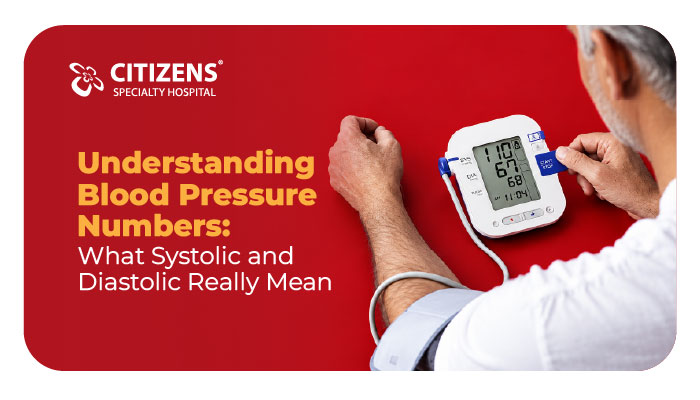
A diagnosis of high blood pressure, or hypertension, means the force of your blood pushing against the walls of your blood vessels is consistently too high. Left unmanaged, this places extra strain on your heart and arteries. While age naturally affects blood vessel flexibility, the onset of hypertension in young adults is closely tied to a blend of modern routines, genetics, and environmental factors. Recognizing these triggers is the first step toward effective treatment and compassionate care.
Key Factors Contributing to Elevated Blood Pressure
Dietary Choices and Sodium Intake
Nutrition plays a fundamental role in heart health. Consuming a diet heavy in processed foods often leads to excessive sodium intake, which causes the body to retain fluid. This extra fluid increases blood volume, directly raising blood pressure. Additionally, a lack of potassium-rich foods, such as fresh fruits and vegetables, makes it harder for the body to balance out sodium levels naturally.
Physical Inactivity
Many young professionals spend long hours sitting at desks or commuting. A sedentary routine weakens the heart muscle over time. When the heart has to work harder to pump blood, the pressure on your arteries increases. Regular aerobic exercise strengthens the cardiovascular system, allowing it to pump blood with less effort and reducing the pressure on artery walls.
Chronic Stress and Sleep Deprivation
Managing early career demands, financial responsibilities, and personal relationships often leads to significant psychological strain. When you experience stress, your body releases hormones that temporarily increase your heart rate and narrow your blood vessels. If this stress becomes chronic, it can lead to sustained high blood pressure. Poor sleep quality or conditions like sleep apnea further compound this issue, as the body misses out on the essential rest required to regulate stress hormones and heal blood vessels.
Weight Management
Carrying excess body weight requires the cardiovascular system to circulate more blood to supply oxygen and nutrients to tissues. As the volume of blood circulating through your blood vessels increases, so does the pressure on your artery walls. Maintaining a healthy weight through balanced nutrition and movement is highly effective in managing blood pressure levels and reducing strain on the heart.
Genetics and Underlying Medical Conditions
Sometimes, lifestyle changes are not the sole answer. A family history of hypertension significantly increases your likelihood of developing the condition early in life. In other cases, young adults may experience secondary hypertension, which is high blood pressure caused by an underlying medical issue. Conditions affecting the kidneys, thyroid, or adrenal glands can disrupt the body's natural blood pressure regulation. Certain medications, including specific birth control pills and over-the-counter decongestants, can also elevate blood pressure readings.
Conclusion
Receiving a high blood pressure diagnosis as a young adult is an opportunity to prioritize your health before serious complications arise. Routine check-ups are essential, as hypertension rarely presents with noticeable symptoms. If your numbers are elevated, partnering with a healthcare professional will help you establish a personalized care plan tailored to your unique needs.
Making incremental changes to your diet, prioritizing restful sleep, and managing stress can yield profound improvements in your cardiovascular health. You have the power to take control of your well-being, and expert medical guidance is available to support you every step of the way.