Pregnancy brings a profound series of physical changes and a complex mix of emotions. You might experience immense joy about meeting your new baby, alongside natural concerns about your health and theirs. Educating yourself about potential complications empowers you to advocate for your well-being and partner effectively with your healthcare team.
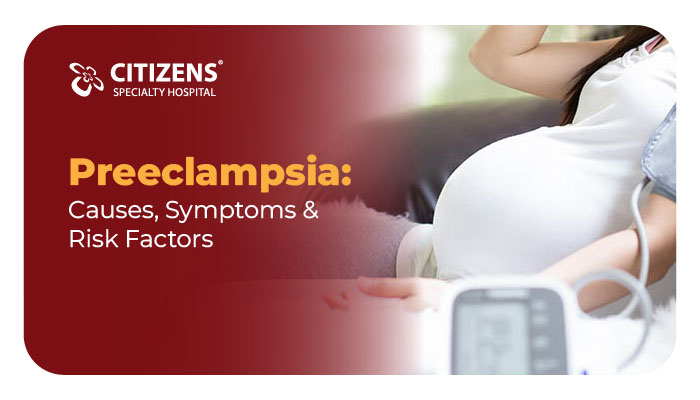
Preeclampsia is a serious blood pressure condition that typically develops after the 20th week of pregnancy, though it can also occur in the postpartum period. It affects the mother's blood vessels and can impact multiple organs, including the liver, kidneys, and brain. Because it can develop rapidly, careful medical monitoring is an essential part of your prenatal care.
What is Preeclampsia?
At its core, preeclampsia is characterized by new-onset high blood pressure and, often, elevated protein levels in the urine. Your healthcare provider checks for these specific indicators during every routine prenatal visit. While high blood pressure alone does not automatically mean you have preeclampsia, it is a crucial warning sign that warrants further investigation.
Left untreated, the condition can lead to severe complications for both the mother and the baby. It can restrict blood flow to the placenta, leading to slower growth for the baby or premature birth. For the mother, it increases the risk of organ damage and seizures. Early detection and expert management are highly effective in protecting your health.
Recognizing the Symptoms of Preeclampsia
Many women with mild preeclampsia feel completely healthy. The condition often progresses silently, which is why attending all your prenatal appointments is so important. When symptoms do appear, they can range from subtle changes to severe discomfort.
Common Warning Signs
You should always listen to your body during pregnancy. If you notice any of the following symptoms, report them to your doctor:
When to Seek Immediate Medical Attention
Certain symptoms require emergency care. Go to the hospital or contact your healthcare provider immediately if you experience severe pain in your upper right abdomen, just below your ribs. This pain indicates potential liver involvement and must be evaluated right away.
Exploring the Causes Behind the Condition
The exact cause of preeclampsia remains a complex medical mystery, though researchers have made significant strides in understanding how it begins. Experts believe the condition originates in the placenta.
Early in pregnancy, new blood vessels develop and evolve to efficiently supply oxygen and nutrients to the placenta. In women with preeclampsia, these blood vessels do not develop or function properly. They are narrower than normal blood vessels and react differently to hormonal signaling. This limits the amount of blood that can flow through them.
When blood flow to the placenta is restricted, maternal blood pressure rises. The impaired blood vessels may also release certain substances into the mother's bloodstream, triggering systemic inflammation and damaging her blood vessels. This cascade of events ultimately affects the kidneys, liver, and brain.
Key Risk Factors to Keep in Mind
Any pregnant woman can develop preeclampsia. However, specific medical and lifestyle factors increase the likelihood of experiencing this condition. Understanding your personal risk profile allows your healthcare team to tailor your prenatal care.
Medical History and Pre-existing Conditions
Your health history plays a significant role in your pregnancy journey. The following factors can elevate your risk:
Pregnancy-Specific Factors
Certain elements unique to your current pregnancy also influence your risk level:
Conclusion
Preeclampsia is a serious but manageable pregnancy complication when detected early. Awareness of its causes, symptoms, and risk factors empowers expectant mothers to seek timely care and reduce complications. Regular prenatal visits, blood pressure monitoring, and diagnostic testing play a vital role in safeguarding both maternal and fetal health.