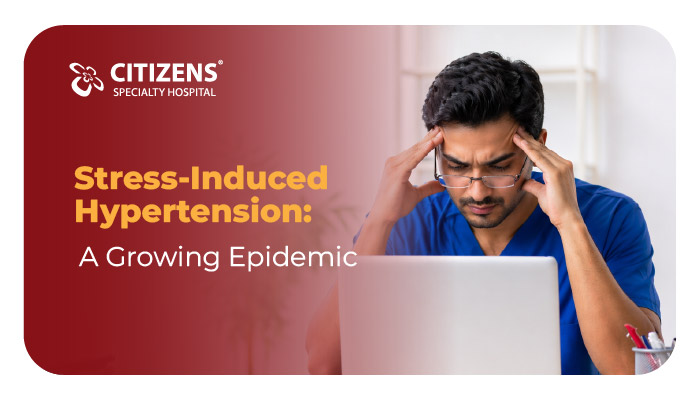
Many of us carry a heavy mental load, constantly juggling personal responsibilities and demanding schedules. Over time, this continuous pressure does more than cause occasional sleepless nights. It fundamentally alters how your cardiovascular system operates, often without you even realizing it.
Stress-induced hypertension is rapidly becoming a widespread health concern, silently affecting individuals who might otherwise appear perfectly healthy. When you face ongoing anxiety, your body remains in a heightened state of alert. This forces your heart to work harder and places unnecessary strain on your arteries.
Biology Behind the Pressure
Whenever you encounter a stressful situation, your body activates its natural defense mechanism. The nervous system releases a surge of hormones, specifically adrenaline and cortisol. These chemicals prepare you to either confront the challenge or escape from it. Your heart beats faster, and your blood vessels narrow to direct more oxygen to your muscles.
Under normal circumstances, your blood pressure returns to a healthy baseline once the stressful event passes. However, chronic stress prevents your nervous system from properly resetting. Your blood vessels remain constricted, and your heart continues to pump forcefully against this resistance. Over weeks and months, this sustained elevation damages the delicate inner lining of your arteries and significantly increases your risk for serious cardiovascular events.
Recognizing the Physical Toll
Because high blood pressure often develops without obvious symptoms, physicians frequently call it a silent condition. However, when hypertension is directly tied to elevated anxiety levels, your body may offer subtle clues. Acknowledging these signs is a vital step in seeking the personalized care you deserve.
You might be experiencing stress-induced cardiovascular strain if you regularly notice:
Expert Strategies for Cardiovascular Wellness
Managing stress-induced hypertension requires a holistic and highly individualized approach. Your health profile is entirely unique, and your treatment plan should reflect your specific physical and emotional needs.
Prioritize Restorative Movement
Physical activity remains one of the most effective methods for naturally lowering blood pressure and processing accumulated stress hormones. Gentle, consistent exercises like brisk walking, swimming, or cycling encourage your blood vessels to dilate and relax. Aim for at least thirty minutes of moderate movement most days of the week, focusing on activities that bring you joy rather than additional strain.
Practice Active Relaxation
Your nervous system needs deliberate opportunities to power down. Incorporating mindful practices into your daily routine helps counteract the physiological effects of cortisol. Consider setting aside ten minutes each morning or evening for deep, diaphragmatic breathing. Meditation and guided muscle relaxation are also proven techniques for signaling to your body that it is safe to lower its guard.
Seek Comprehensive Medical Guidance
Perhaps the most crucial step in managing high blood pressure is establishing a relationship with a trusted healthcare provider. Regular monitoring allows your medical team to track your progress and adjust your care plan over time. Depending on your specific situation, your physician might recommend lifestyle modifications, counseling to address the root causes of your anxiety, or carefully selected medications to protect your heart while you implement long-term changes.
Conclusion
Addressing stress-induced hypertension is not about achieving perfection or completely eliminating anxiety from your life. It is about equipping yourself with the right tools and seeking the proper support to build cardiovascular resilience. Your heart works tirelessly to sustain you, and giving it the restorative care it requires is a profound act of self-preservation.