Facing surgery often brings a mix of hope and apprehension. It is completely natural to feel uncertain when discussing medical procedures with your doctor. Your health is deeply personal, and understanding your options is the first step toward a successful recovery.
Recently, medical advancements have significantly expanded these options, presenting patients with a choice between traditional open surgery and robotic-assisted procedures. Both methods share the same ultimate goal of restoring your health and vitality, yet they approach the healing process in distinctly different ways.
Traditional Open Surgery
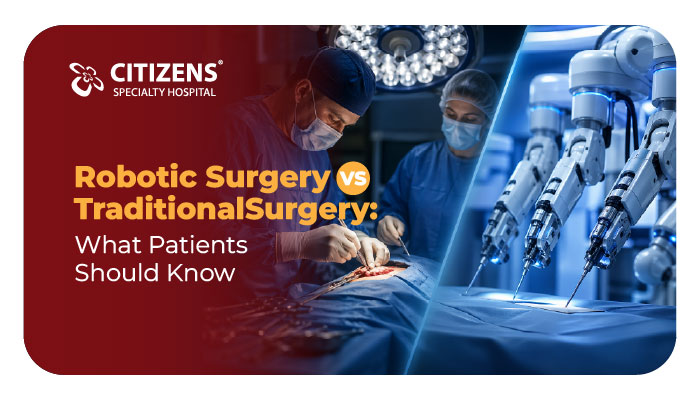
Traditional surgery, often referred to as open surgery, has been the cornerstone of medical treatment for decades. During these procedures, a surgeon makes an incision large enough to directly access the area of concern. This approach provides the surgical team with a clear, direct line of sight and immediate tactile feedback.
While newer techniques have emerged, open surgery remains highly effective and necessary in many situations. It is sometimes the safest and most practical option for complex cases, severe trauma situations, or specific anatomical challenges where a broad view of the internal organs is required. Surgeons rely on their extensive training and direct physical access to remove diseased tissue, repair organs, and ensure patient safety throughout the operation.
The Rise of Robotic-Assisted Surgery
Robotic-assisted surgery represents a significant advancement in minimally invasive medical care. The term "robotic" can sometimes sound intimidating, but it is simply a highly advanced surgical tool.
The robot does not act independently or make decisions. Instead, a highly trained surgeon sits at a specialized console in the operating room, guiding the robotic arms with total control. These instruments translate the surgeon's hand movements into precise, micro-movements inside the body. Because the instruments are incredibly small, the incisions required are usually only a fraction of an inch long.
The surgeon also utilizes a high-definition, 3D camera that magnifies the surgical site. This technology allows for unparalleled precision, especially in delicate or confined areas of the body, such as the pelvis or near the heart.
Comparing the Two Approaches
When deciding between robotic and traditional surgery, your medical team will weigh several factors based on your specific condition. Here are the primary differences you should understand:
Incision Size and Scarring
Traditional open surgery requires a larger incision to give the surgeon access to the surgical site, which naturally results in a more visible scar. Robotic surgery uses a few tiny incisions, often referred to as "keyholes." This typically leads to minimal scarring, which can be an important consideration for many patients.
Recovery Time and Hospital Stays
Smaller incisions generally mean less trauma to the surrounding tissues. As a result, patients undergoing robotic surgery often experience shorter hospital stays and return to their daily routines more quickly. Traditional surgery usually involves a longer healing process, requiring more downtime and rest before you can resume normal activities.
Pain Management
Because minimally invasive robotic surgery disrupts less tissue and muscle, patients frequently report experiencing less postoperative pain. This can reduce the need for strong pain medications during the recovery phase. Open surgery may involve a more intensive pain management plan in the days immediately following the procedure.
Precision and Flexibility
The human hand is incredibly capable, but robotic instruments can rotate and articulate in ways that a human wrist simply cannot. This enhanced range of motion allows surgeons to navigate complex anatomical structures with extreme delicacy. However, traditional surgery remains vital because it allows the surgeon to physically feel the tissue, which is necessary for certain types of tumor removal and organ repair.
Conclusion
In conclusion, both robotic surgery and traditional surgery play vital roles in modern healthcare, and neither can be universally labeled as better or worse. Robotic surgery offers clear advantages such as smaller incisions, greater precision, reduced pain, and faster recovery, making it an excellent option for many minimally invasive procedures. On the other hand, traditional surgery remains highly effective, especially for complex or extensive cases where direct access and hands-on expertise are crucial. The right surgical approach depends on the patient’s medical condition, overall health, surgeon’s experience, availability of technology, and cost considerations.