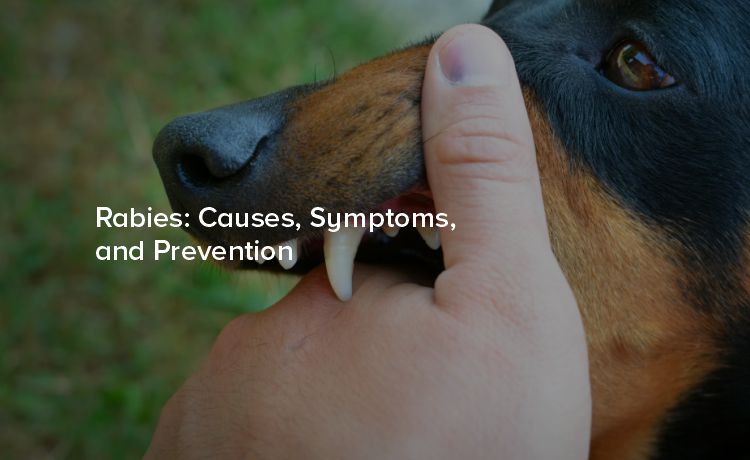
Rabies remains one of the most feared infectious diseases, and for good reason. This viral infection affects the central nervous system and proves fatal in nearly 100% of cases once symptoms appear. While rabies deaths are rare in developed countries thanks to effective vaccination programs, understanding this disease remains crucial for pet owners and anyone who might encounter wildlife.
Rabies is caused by the rabies virus, a member of the Lyssavirus genus. This neurotropic virus specifically targets nerve cells and has an affinity for the brain and spinal cord. The virus exists in the saliva of infected animals and spreads primarily through bite wounds, though transmission can also occur through scratches or when infected saliva contacts open wounds or mucous membranes.
The most common carriers of rabies vary by geographic region. In the United States, bats account for most human rabies cases, while raccoons, skunks, and foxes serve as primary wildlife reservoirs. Globally, domestic dogs remain the leading source of human rabies transmission, particularly in developing countries where vaccination programs may be limited.
Once the virus enters the body, it travels along peripheral nerves toward the central nervous system. This journey can take days to months, depending on the location of the bite and the viral load. The closer the bite occurs to the head and brain, the shorter the incubation period tends to be.
Rabies symptoms develop in distinct stages, and recognizing these phases can be critical for seeking appropriate medical care.
The initial phase, called the prodromal stage, typically lasts two to ten days. During this period, symptoms remain non-specific and flu-like:
These early signs often get dismissed as minor illness, which makes rabies particularly dangerous. The bite wound may have healed completely by this time, making it easy to forget about the initial exposure.
As the virus reaches the brain, more severe neurological symptoms emerge. This acute neurological phase manifests in two primary forms:
Furious rabies affects about 70% of human cases and includes:
Paralytic rabies accounts for about 30% of cases and presents as:
Unfortunately, once clinical symptoms appear, rabies becomes almost universally fatal. The final stage involves coma and death, typically occurring within days of symptom onset.
Understanding the physical signs of rabies in animals can help you avoid dangerous encounters and protect your pets.
Rabid animals often display dramatic behavioral alterations that serve as warning signs:
The physical appearance of rabid animals can vary, but several signs commonly occur:
It's important to note that not all rabid animals foam at the mouth or act aggressively. Some infected animals become unusually quiet and withdrawn, making the "paralytic" form of rabies harder to recognize.
Prevention remains the most effective approach to rabies control, involving both individual and community-level strategies.
Pet vaccination represents the cornerstone of rabies prevention. Dogs, cats, and ferrets should receive their first rabies vaccination by four months of age, followed by regular boosters as recommended by veterinary guidelines. Most states legally require rabies vaccination for dogs and cats.
Pre-exposure prophylaxis is recommended for high-risk individuals, including veterinarians, animal control workers, laboratory personnel handling rabies specimens, and travelers to rabies-endemic areas. This series of three vaccinations provides protection and simplifies post-exposure treatment if needed.
Avoiding contact with wild animals, especially those acting strangely, provides crucial protection. Never attempt to feed, handle, or rehabilitate wild animals without proper training and equipment. Secure garbage cans and remove pet food from outdoor areas to avoid attracting potentially infected wildlife to your property.
Bat-proofing homes deserves special attention, as bats can enter through surprisingly small openings. Seal cracks around rooflines, install screens over vents and chimneys, and ensure attic spaces remain secure.
If exposure to a potentially rabid animal occurs, immediate action becomes critical. Wash the wound thoroughly with soap and water for at least 10 minutes, apply antiseptic, and seek medical attention immediately. Post-exposure prophylaxis, when administered promptly and properly, prevents rabies in virtually 100% of cases.
The post-exposure treatment protocol includes thorough wound cleaning, rabies immune globulin injection around the wound site, and a series of four rabies vaccine doses administered over 14 days.
Any animal bite or scratch, particularly from an unknown or wild animal, warrants immediate medical evaluation. Don't wait for symptoms to develop—once rabies symptoms appear, treatment becomes ineffective.
Contact healthcare providers immediately if you experience any animal bite that breaks the skin, especially from bats, raccoons, skunks, foxes, or stray dogs and cats. Even minor exposures require professional assessment, as rabies transmission can occur through very small wounds.
Healthcare providers will evaluate the exposure circumstances, the animal involved, and local rabies epidemiology to determine if post-exposure prophylaxis is necessary. When in doubt, treatment is typically recommended due to the fatal nature of untreated rabies.
Rabies prevention requires ongoing vigilance and responsible pet ownership. Maintain current vaccinations for all pets, avoid contact with unfamiliar animals, and teach children to never approach or handle wildlife.
Report unusual animal behavior to local animal control authorities. Animals that appear sick, act strangely, or seem unusually tame may pose a rabies risk and require professional evaluation.