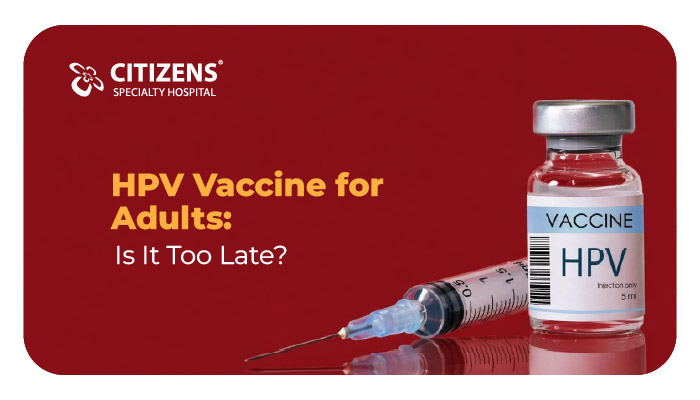
Many people associate the human papillomavirus (HPV) vaccine exclusively with the pre-teen and teenage years. Parents routinely schedule these immunizations for their children, and public health campaigns heavily focus on youth. Because of this strong association, adults frequently assume they have missed their window for protection.
If you are currently evaluating your preventive health measures and wondering about your own eligibility for the vaccine, your curiosity is completely justified. HPV is the most common sexually transmitted infection globally. While most infections clear up on their own, certain high-risk strains can lead to serious health complications, including cervical and other types of cancer.
Understanding HPV and Its Impact on Adults
Human papillomavirus is a group of more than 200 related viruses. Some strains are categorized as low-risk and can cause skin warts, while others are high-risk and are directly linked to several types of cancer. These include cancers of the cervix, vagina, vulva, penis, anus, and the back of the throat.
The virus spreads easily through intimate skin-to-skin contact. Because it often presents no symptoms, many adults carry the virus without ever realizing it. You can contract HPV from one partner and carry it for years before it causes any detectable health issues.
While the ideal time to receive the vaccine is before any exposure to the virus occurs, adult life brings changes in relationships and health statuses. Understanding your current risk profile is the first step in taking control of your long-term well-being.
Can You Still Get the Vaccine as an Adult?
The short answer is yes. The Food and Drug Administration (FDA) has approved the HPV vaccine for men and women up to age 45.
For adults aged 27 through 45, the Centers for Disease Control and Prevention (CDC) recommends engaging in a process called "shared clinical decision-making" with a medical professional. This means the vaccine is not automatically recommended for everyone in this age bracket, but it is available and can be highly beneficial depending on your individual circumstances.
By discussing your medical history, lifestyle, and risk factors with a trusted physician, you can determine if the vaccination aligns with your personal health goals.
Benefits of Adult Vaccination
Receiving the HPV vaccine as an adult offers several distinct advantages. Even if you have been sexually active for years, you can still gain meaningful protection.
Consider the following benefits:
Who Should Consider the Vaccine?
Every patient's health journey is unique. The decision to pursue the HPV vaccine after age 26 depends heavily on lifestyle changes and individual medical backgrounds.
You might strongly consider the vaccine if you are entering a new relationship or anticipate having new intimate partners in the future. Adults who are immunocompromised should also prioritize this discussion, as a weakened immune system can make it harder for the body to naturally clear an HPV infection.
Additionally, if you have recently undergone treatment for an HPV-related condition, your doctor might suggest the vaccine to help protect against other strains you have not yet encountered.
Conclusion
If you are aged 27 to 45 and want to know if the HPV vaccine is appropriate for you, the specialists at the Department of Obstetrics and Gynecology at Citizen Speciality Hospital are here to provide personalized, compassionate guidance. Our expert team will review your medical history, discuss your lifestyle factors, and help you make a confident choice about your preventive care. Schedule a consultation today to ensure your long-term health is fully protected.