For millions of women around the world, severe pelvic pain is a persistent and exhausting reality. They schedule doctor appointments, describe their symptoms, and often leave with a simple prescription for painkillers. Many are told that severe cramping is a normal part of life. Yet, for an estimated one in ten women, this pain is a primary symptom of endometriosis.
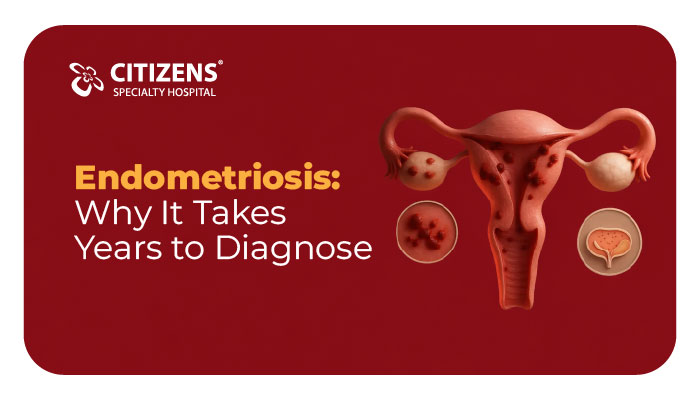
Endometriosis occurs when tissue similar to the lining of the uterus grows outside the uterus. This misplaced tissue responds to hormonal changes, thickening and bleeding with each menstrual cycle. Because this blood has no way to exit the body, it becomes trapped, leading to inflammation, scar tissue, and severe pain.
What Is Endometriosis?
Endometriosis is a condition in which tissue similar to the lining of the uterus (endometrium) grows outside the uterus. These growths can appear on the ovaries, fallopian tubes, pelvic lining, intestines, bladder, and in severe cases, even beyond the pelvic region.
Unlike normal uterine tissue, this misplaced tissue has no way to exit the body during menstruation. As a result, it can cause inflammation, scarring, adhesions, and chronic pain. Endometriosis is also a leading cause of infertility.
Common Symptoms of Endometriosis
One of the biggest challenges in diagnosing endometriosis is that symptoms vary widely from person to person. Some women experience severe symptoms, while others have mild or even no noticeable signs.
Common symptoms include:
Because these symptoms overlap with many other conditions, endometriosis is frequently misdiagnosed or overlooked.
Why Does Endometriosis Take So Long to Diagnose?
1. Period Pain Is Often Normalized
One of the primary reasons for delayed diagnosis is the widespread belief that period pain is normal. Many women are told from a young age that menstrual pain is something they must “learn to live with.” As a result, symptoms that are actually warning signs of a medical condition are dismissed.
Even severe pain that interferes with daily life, work, or school is often minimized—by patients themselves, families, and sometimes even healthcare providers.
2. Symptoms Overlap with Other Conditions
Endometriosis symptoms closely resemble those of other disorders, including:
Because of this overlap, patients are often treated for digestive, urinary, or hormonal issues for years before endometriosis is even considered.
3. Lack of a Simple Diagnostic Test
Unlike many medical conditions, there is no single blood test or imaging scan that can definitively diagnose endometriosis.
Due to its invasive nature, surgery is often delayed, especially in young women, leading to prolonged uncertainty.
4. Limited Awareness Among Patients and Providers
Despite affecting approximately 1 in 10 women of reproductive age, endometriosis is still poorly understood. Many patients are unaware that their symptoms are abnormal, while some healthcare providers may lack specialized training in recognizing early signs of the condition.
This gap in awareness contributes significantly to delayed referrals, repeated misdiagnoses, and ineffective treatments.
5. Symptoms Can Start in Adolescence
Endometriosis often begins during teenage years, but symptoms in adolescents are frequently attributed to “hormonal changes” or “growing pains.”
Young patients may be hesitant to speak openly about menstrual pain, and parents or doctors may be reluctant to pursue invasive testing at an early age. This can delay diagnosis well into adulthood
6. Cultural Stigma Around Menstrual Health
In many societies, including parts of India, menstruation is still considered a taboo subject. Women may feel uncomfortable discussing period-related pain, heavy bleeding, or bowel symptoms openly.
This silence delays medical consultation and allows the disease to progress unchecked for years.
7. Symptoms Do Not Match Disease Severity
Another complicating factor is that symptom severity does not always correlate with disease stage. Some women with advanced endometriosis have mild symptoms, while others with minimal visible disease experience debilitating pain.
This unpredictability can mislead clinicians and delay further investigation.
The Impact of Delayed Diagnosis
1. Chronic Pain and Reduced Quality of Life
Living with undiagnosed endometriosis can mean years of unmanaged pain, fatigue, and emotional distress. Many women struggle to maintain normal routines, careers, and relationships.
2. Fertility Challenges
Endometriosis is a leading cause of infertility. Delayed diagnosis may mean missed opportunities for early intervention, fertility preservation, or timely treatment.
3. Mental Health Struggles
Repeated dismissal of symptoms can lead to anxiety, depression, and feelings of isolation. Many patients report feeling unheard or misunderstood by the healthcare system.
4. Disease Progression
Without treatment, endometriosis can worsen over time, leading to extensive scarring, organ involvement, and more complex surgical needs.
How Is Endometriosis Diagnosed?
Diagnosis typically involves a combination of:
Early suspicion and referral to a gynecologist experienced in endometriosis can significantly shorten the diagnostic timeline.
Conclusion
Living with undiagnosed pain is isolating, but you do not have to endure it alone. Getting an accurate endometriosis diagnosis requires persistence, a strong support system, and a partnership with medical professionals who truly understand the disease.
If you suspect you are experiencing symptoms of endometriosis, take the next step today. Gather your symptom logs, research specialists in your area, and request a comprehensive evaluation. Reclaiming your quality of life is entirely possible when you receive the expert, compassionate care you deserve.