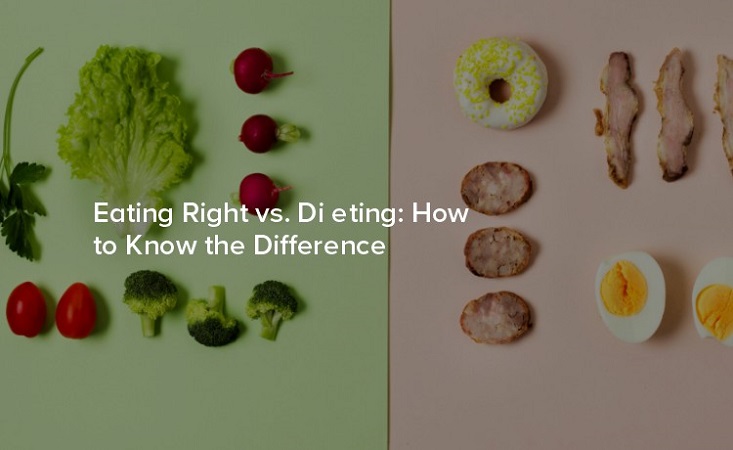
Many people use the terms "eating right" and "dieting" interchangeably, but these approaches to nutrition represent fundamentally different philosophies. Understanding this distinction can transform your relationship with food and lead to lasting health improvements rather than temporary fixes.
Dieting typically involves short-term restrictions designed for quick results, while eating right focuses on sustainable lifestyle changes that nourish your body long-term. The confusion between these concepts often leads people down frustrating paths of yo-yo dieting and food anxiety.
Eating right centers on nourishing your body with balanced, whole foods that support optimal health. This approach emphasizes variety, moderation, and listening to your body's natural hunger and fullness cues.
When you eat right, food becomes fuel for your daily activities rather than the enemy. You make choices based on how foods support your energy levels, mood, and overall wellbeing.
Dieting typically involves following specific rules or restrictions for a predetermined period, often with weight loss as the primary goal. Most diets promise rapid results through elimination of certain foods or severe calorie reduction.
While diets may produce quick initial results, research shows that 95% of people regain the weight they lost within five years. This cycle often leads to metabolic slowdown and a damaged relationship with food.
Both eating right and dieting can influence your physical appearance, but they achieve results through different mechanisms and timelines.
When you consistently nourish your body with balanced nutrition, several positive changes occur:
Skin health improvements: Proper hydration and nutrient intake support collagen production and cellular repair, leading to clearer, more radiant skin over time.
Sustained energy levels: Balanced blood sugar from regular, nutritious meals prevents the fatigue that can affect posture and overall vitality.
Natural body composition: Your body gradually finds its healthy weight range when consistently fueled with appropriate nutrition, leading to a more natural, sustainable physique.
Traditional dieting may produce rapid visible changes, but these often come with drawbacks:
Quick initial results: Severe calorie restriction can lead to rapid weight loss, though much of this may be water weight and muscle mass rather than fat.
Potential negative effects: Extreme restrictions can cause hair loss, skin problems, and muscle wasting due to inadequate nutrition.
Temporary nature: Most diet-induced appearance changes reverse quickly once normal eating resumes, often leading to appearance fluctuations that can affect self-confidence.
The approach you choose affects more than just your appearance—it influences your overall physical and mental wellbeing.
Sustainable nutrition practices support your body's natural functions while promoting mental wellness. You develop a positive relationship with food based on nourishment rather than restriction.
Physical benefits include stable energy levels, improved digestion, better sleep quality, and reduced risk of chronic diseases. Mentally, eating right promotes food freedom and reduces anxiety around meals.
Repeated dieting cycles can slow your metabolism, making it increasingly difficult to maintain weight loss. Many people experience increased cravings and binge episodes following periods of restriction.
The psychological impact includes heightened food preoccupation, guilt around eating, and potential development of disordered eating patterns. Social situations involving food may become sources of stress rather than enjoyment.
Determining whether eating right or dieting better suits your needs requires honest self-reflection about your goals, lifestyle, and relationship with food.
You want to improve your overall health and energy levels rather than focusing solely on weight loss. You're tired of the restrict-binge cycle and want to develop a peaceful relationship with food.
You prefer flexibility in your food choices and want to create habits you can maintain for life. You're willing to invest time in gradual changes rather than seeking quick fixes.
You have specific, time-sensitive health goals that require structured intervention under medical supervision. You work well with clear rules and external accountability systems.
You understand the temporary nature of most diets and have a plan for transitioning to sustainable habits afterward. You're addressing specific medical conditions that benefit from structured nutrition protocols.
If you've been stuck in the dieting cycle and want to transition to eating right, patience and self-compassion are essential. Start by removing food labels like "good" and "bad" and focus on how different foods make you feel.
Begin incorporating more whole foods gradually rather than eliminating entire food groups. Practice eating when hungry and stopping when satisfied, recognizing that this skill takes time to develop if you've been following external diet rules.
Consider working with a registered dietitian who specializes in intuitive eating or sustainable nutrition practices. Professional guidance can help you navigate this transition while ensuring your nutritional needs are met.