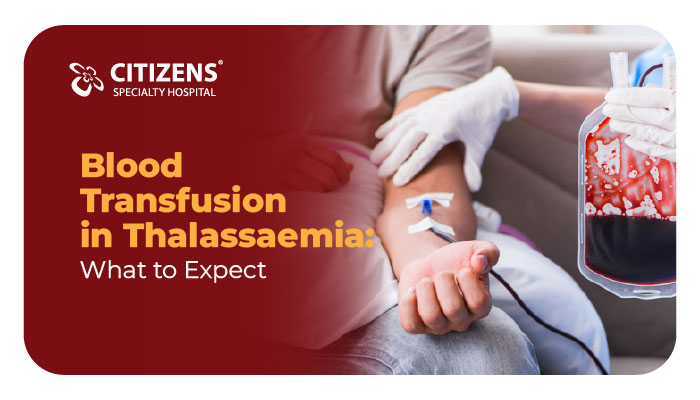
Thalassaemia is a lifelong genetic blood disorder that affects the body’s ability to produce healthy hemoglobin. For many patients, especially those with moderate to severe forms, regular blood transfusions are a vital part of treatment. While blood transfusion therapy can significantly improve quality of life and survival, it also comes with long-term considerations that patients and caregivers should understand clearly.
The Role of Transfusions in Managing Thalassaemia
Thalassaemia limits the production of healthy red blood cells, leading to moderate or severe anemia. Without sufficient red blood cells, the body struggles to deliver adequate oxygen to vital organs and tissues.
Why Regular Treatments are Necessary
For individuals with thalassaemia major, and some with thalassaemia intermedia, routine blood transfusions are essential. These treatments replenish the body's supply of healthy red blood cells, temporarily correcting the anemia. Consistent transfusions support normal growth and development in children, prevent bone deformities, and reduce the chronic fatigue associated with low hemoglobin levels.
Your medical team carefully determines the frequency of these treatments based on your specific hemoglobin levels, age, and overall health. Most patients require a transfusion every two to four weeks. This personalized schedule ensures your body maintains a steady, safe level of oxygen-carrying capacity.
Preparing for Your Appointment
A successful and smooth transfusion experience begins before you even step into the treatment room. Modern medical facilities follow rigorous safety protocols to ensure the blood you receive is a perfect match.
Cross-Matching and Blood Typing
A few days before your scheduled transfusion, you will need to provide a small blood sample. The laboratory uses this sample to perform a "type and crossmatch." This critical safety step identifies your exact blood type and screens for any antibodies. The lab then selects donor blood that perfectly matches your profile, minimizing the risk of adverse reactions.
Planning for the Day
Transfusions require time. A typical session can last anywhere from three to four hours, depending on the volume of blood needed and your specific medical guidelines. You should wear comfortable clothing with easily accessible arms. Bring a book, a tablet, or a preferred quiet activity to help pass the time. Many clinics provide comfortable seating, blankets, and light refreshments, but bringing personal items from home can make the environment feel more relaxing.
The Transfusion Process Step-by-Step
When you arrive at the clinic, your healthcare team will guide you through the process with a focus on your safety and comfort.
Initial Health Checks
Before the transfusion begins, a nurse will record your baseline vital signs, including your temperature, blood pressure, and heart rate. They will also verify your identity and cross-check the donor blood bag multiple times. This rigorous verification process is a universal standard of care designed to protect you.
Getting Comfortable
Once the safety checks are complete, the nurse will gently insert a small intravenous (IV) line into a vein, usually in your arm or hand. If you have a port-a-cath or another type of central line, the team will access that instead. A mild pinch is normal during insertion, but the discomfort should fade quickly.
Monitoring the Flow
The healthy donor blood flows from the bag, through the IV line, and into your bloodstream. Your nurse will start the flow slowly to ensure your body accepts the new blood without any issues. Over the next few hours, the clinical staff will frequently check your vital signs. If you feel any sudden changes such as chills, itching, shortness of breath, or a fever you should alert your nurse immediately. While allergic reactions are uncommon due to the precise cross-matching process, your medical team is fully equipped to address them instantly.
Post-Transfusion Care and Ongoing Health
After the blood bag is empty, the nurse will flush the IV line with a saline solution to ensure you receive every drop of the healthy red blood cells. The IV is then carefully removed, and a small bandage is applied to the site.
Immediate Aftercare
You will usually be asked to remain in the clinic for an additional 15 to 30 minutes. This observation period allows the care team to confirm your vital signs are stable before you head home. Most patients feel a noticeable boost in their energy levels within a day or two, as the fresh red blood cells begin delivering oxygen more efficiently throughout the body.
Managing Iron Overload
While transfusions are life-saving, they introduce a secondary challenge: iron overload. The human body does not have a natural mechanism for excreting excess iron. Over time, the iron from the transfused red blood cells accumulates in vital organs like the heart and liver.
To safely manage this, your physician will prescribe chelation therapy. Chelation medications bind to the excess iron in your bloodstream and safely remove it through your urine or stool. Consistently following your chelation regimen is just as important as attending your transfusion appointments. Your care team will monitor your iron levels regularly using blood tests and specialized imaging to ensure your treatment plan remains highly effective.
Conclusion
Living with thalassaemia requires dedication to your medical routine, but it does not have to define your entire life. By working closely with a compassionate, expert healthcare team, you can establish a transfusion schedule that integrates smoothly into your daily activities.