High blood pressure (hypertension) is one of the most common lifestyle-related health conditions today. Often called the “silent killer,” it usually shows no symptoms but significantly increases the risk of heart disease, stroke, kidney failure, and other serious complications. While medication plays an important role in managing hypertension, diet is one of the most powerful and natural tools to control blood pressure effectively.
Understanding the DASH Diet
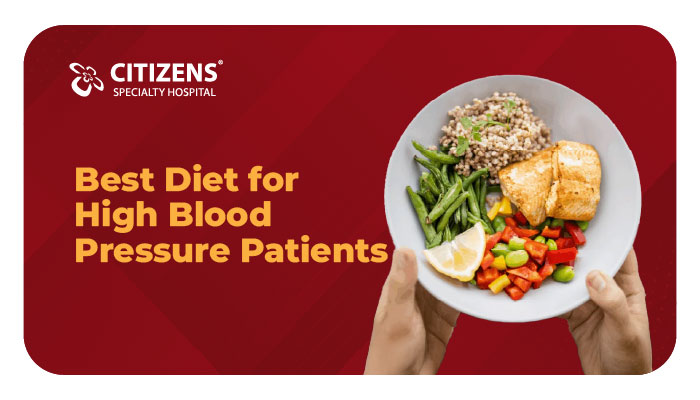
Medical professionals consistently recommend the Dietary Approaches to Stop Hypertension (DASH) diet for individuals looking to manage their blood pressure. This eating plan is specifically formulated to lower blood pressure without requiring medication. The DASH diet emphasizes consuming a rich variety of whole foods while significantly reducing sodium intake.
What makes the DASH plan effective?
The DASH diet focuses on portion size, a variety of healthy foods, and getting the right amount of vital nutrients. It encourages the consumption of fruits, vegetables, and whole grains. These foods are naturally rich in potassium, calcium, and magnesium. These specific minerals are clinically proven to help your blood vessels relax, which directly reduces the force of blood against your artery walls.
The plan also includes lean proteins, such as poultry, fish, and beans, while recommending low-fat dairy products. By focusing on whole foods, the DASH diet naturally crowds out processed items that typically contain dangerous levels of hidden sodium and unhealthy fats.
Key Nutrients to Lower Blood Pressure
A successful dietary plan for high blood pressure relies on a specific balance of essential nutrients. Incorporating these minerals into your daily routine provides a strong foundation for cardiovascular health.
The Power of Potassium
Potassium lessens the effects of sodium in your body. The more potassium you eat, the more sodium you lose through urine. Potassium also helps to ease tension in your blood vessel walls, which further lowers blood pressure. Excellent sources of potassium include bananas, avocados, spinach, sweet potatoes, and tomatoes. We encourage you to incorporate a serving of these potassium-rich foods into every meal.
Calcium and Magnesium
Calcium and magnesium are equally vital for maintaining a healthy blood pressure. Calcium helps your blood vessels tighten and relax when they need to, while magnesium helps transport calcium and potassium across cell membranes. Leafy green vegetables, almonds, seeds, and low-fat yogurt are fantastic ways to naturally boost your intake of these essential minerals.
Foods to Limit or Avoid entirely
Knowing what to exclude from your diet is just as important as knowing what to include. Certain ingredients actively work against your heart health and can cause dangerous spikes in your blood pressure.
Managing Sodium Intake
Sodium is the primary culprit behind diet-related hypertension. When you consume too much salt, your body holds onto extra water to wash the salt from your system. This added fluid increases the volume of blood pushing against your blood vessels, leading to elevated blood pressure. The American Heart Association recommends limiting sodium intake to no more than 1,500 milligrams per day for most adults, especially those with high blood pressure.
Eliminating Processed Foods
Most of the sodium in a typical diet comes from packaged and prepared foods rather than the salt shaker on the dining table. Canned soups, deli meats, frozen meals, and salty snacks are heavily processed and packed with sodium preservatives. Reading nutrition labels carefully empowers you to make healthier choices at the grocery store. Preparing meals at home using fresh ingredients remains the most reliable way to monitor and control your sodium consumption.
Tailoring the Diet to Your Individual Needs
Every patient has a unique health profile. A diet that works perfectly for one individual might need adjustments for another. We recognize that factors such as age, genetics, underlying medical conditions, and personal food preferences all play a role in your overall success.
If you have kidney disease, for instance, you may need to monitor your potassium intake carefully, as too much can be harmful. Working alongside a registered dietitian or your primary care physician ensures that your dietary plan is safe, effective, and sustainable for your specific lifestyle.
Conclusion
Changing your dietary habits requires patience and commitment. Small, gradual adjustments often lead to the most sustainable, long-term success. Start by adding one extra serving of vegetables to your dinner or swapping out a salty snack for a piece of fresh fruit.