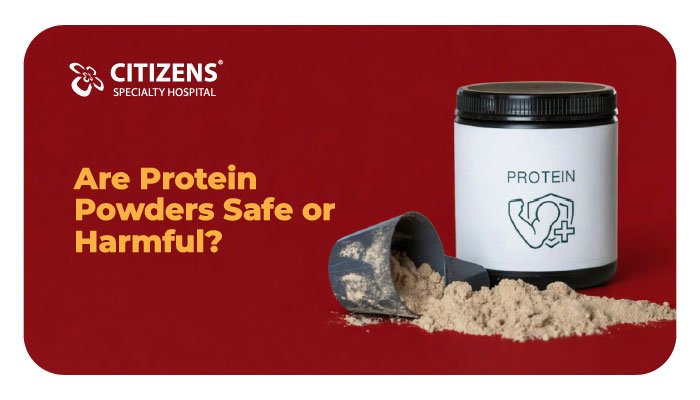
Protein powders have become one of the most popular dietary supplements in today’s fitness-driven world. From gym-goers and athletes to busy professionals and even older adults, many people rely on protein powders to meet their daily nutritional needs. But with rising popularity comes an important question: Are protein powders safe, or can they be harmful to your health?
What Are Protein Powders?
Protein powders are concentrated sources of protein derived from animal or plant foods. They are processed into powder form to make protein intake convenient, especially for people who struggle to meet their daily protein requirements through diet alone.
Common types of protein powders include whey, casein, soy, pea, rice, and blended plant proteins. They are usually mixed with water or milk and consumed as shakes, smoothies, or added to foods like oats and pancakes.
Protein is an essential macronutrient that supports muscle repair, hormone production, immune function, enzyme activity, and overall body maintenance.
Why Do People Use Protein Powders?
People use protein powders for several reasons:
One major reason is muscle building and recovery. Protein helps repair muscle tissue after exercise, making it popular among athletes and gym enthusiasts.
Another reason is weight management. High-protein diets can promote satiety, reduce hunger, and help preserve muscle during weight loss.
Protein powders are also used for nutritional support, especially by vegetarians, older adults, people recovering from illness, or those with increased protein needs.
Busy lifestyles make protein powders convenient for people who do not have time to prepare protein-rich meals regularly.
Benefits of Protein Powders
When used correctly, protein powders can offer several health benefits.
Helps Meet Daily Protein Requirements
Many people, especially vegetarians and older adults, may not get enough protein from food alone. Protein powders provide a simple and effective way to bridge this nutritional gap.
Supports Muscle Growth and Recovery
Protein is essential for repairing muscle fibers damaged during exercise. Consuming adequate protein helps improve strength, muscle mass, and recovery time.
Aids in Weight Loss
Protein increases feelings of fullness and reduces cravings, which may help control calorie intake. This can support healthy and sustainable weight loss when combined with a balanced diet.
Supports Bone and Immune Health
Protein plays a role in maintaining bone density and supporting immune system function, particularly important for aging individuals.
Potential Health Risks and Hidden Hazards
While protein powders offer undeniable convenience, treating them as a direct substitute for whole foods can introduce specific health risks. Because the FDA classifies protein powders as dietary supplements, they do not undergo the same rigorous pre-market safety evaluations as prescription medications or standard food products.
Contamination With Heavy Metals
One of the most pressing concerns surrounding protein supplements is the potential for heavy metal contamination. Independent testing organizations have occasionally detected elevated levels of lead, arsenic, cadmium, and mercury in various protein powders. These toxic elements often originate from the soil where plant-based protein sources are grown, or from the manufacturing processes themselves.
Chronic exposure to heavy metals can lead to systemic health issues, making it essential to choose brands that prioritize stringent quality control.
Hidden Sugars and Artificial Additives
To make unflavored protein palatable, many brands rely heavily on added sugars or artificial sweeteners. Consuming a supplement loaded with refined sugar can lead to unintended weight gain and blood glucose spikes, directly counteracting your health goals. Conversely, some individuals experience digestive distress, such as bloating and cramping, when consuming certain artificial sweeteners and sugar alcohols.
Digestive Distress and Food Allergies
Whey and casein proteins contain lactose, which can trigger severe gastrointestinal discomfort for individuals with lactose intolerance. Similarly, soy and gluten-based thickeners can cause allergic reactions. It is crucial to listen to your body and recognize how it responds after consuming a supplement.
How to Choose a Safe Supplement
You do not need to avoid protein powders entirely to protect your health. Instead, you can make empowered, informed choices by following a few clinical guidelines.
Look for Third-Party Testing
The most reliable way to ensure a protein powder is safe and accurately labeled is to look for third-party verification. Organizations such as NSF International, Informed-Choice, and the Clean Label Project independently test supplements for banned substances, heavy metals, and accurate ingredient profiles. A seal from one of these organizations on the packaging provides a high level of assurance regarding the product's safety.
Read the Ingredient Label Carefully
A shorter ingredient list is generally a safer choice. Look for products that feature the protein source as the primary ingredient and use minimal, natural sweeteners like stevia or monk fruit. Avoid powders with long lists of unrecognizable chemical additives, artificial colors, and excessive added sugars.
Match the Protein to Your Physiology
Select a protein base that aligns with your digestive health. If you struggle with dairy, a high-quality pea or rice protein blend can provide an excellent amino acid profile without the accompanying gastrointestinal discomfort.
Conclusion
Protein powders can be a safe, highly effective tool for supporting your nutritional goals when chosen with care and consumed as part of a balanced diet. They offer remarkable convenience and targeted support for muscle recovery and healthy aging. However, they are designed to supplement your diet, not replace the rich array of vitamins, minerals, and fibers found in whole foods.