Acid Reflux vs GERD: Symptoms and Treatment Options
Digestive discomfort is common, but when burning pain rises from the stomach into the chest or throat, many people worry about acid reflux or GERD. While these terms are often used interchangeably, acid reflux and Gastroesophageal Reflux Disease (GERD) are not the same condition. Understanding the difference is important for choosing the right treatment and preventing long-term complications.
What Is Acid Reflux?
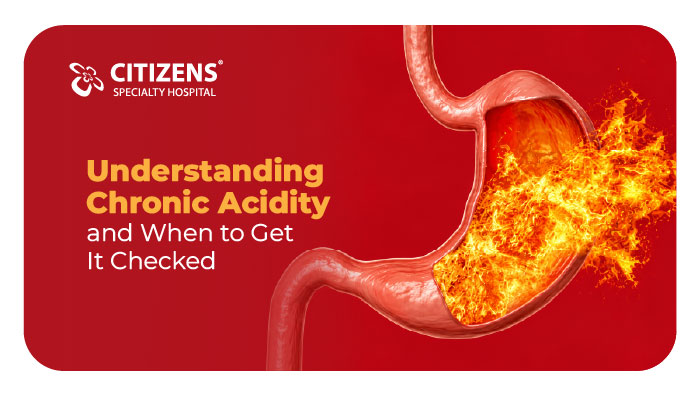
Acid reflux occurs when stomach acid flows backward into the esophagus (food pipe). The esophagus does not have the same protective lining as the stomach, so this acid causes irritation and discomfort.
How Acid Reflux Happens
At the bottom of the esophagus is a muscle called the lower esophageal sphincter (LES). Normally, it opens to allow food into the stomach and closes afterward. Acid reflux happens when the LES relaxes too often or becomes weak, allowing stomach acid to escape upward.
Acid Reflux Is Usually Occasional
Most people experience acid reflux occasionally, especially after:
- Heavy meals
- Eating spicy or oily foods
- Lying down immediately after eating
- Consuming alcohol or caffeine
Occasional acid reflux is common and usually not serious.
What Is GERD?
Gastroesophageal Reflux Disease (GERD) is a chronic, more severe form of acid reflux. It occurs when acid reflux happens frequently—usually more than twice a week—and leads to persistent symptoms or complications.
GERD Is a Long-Term Condition
Unlike occasional acid reflux, GERD:
- Persists over months or years
- Causes repeated irritation of the esophagus
- May lead to serious complications if left untreated
GERD requires medical evaluation and ongoing management.
Common Symptoms of Acid Reflux
Acid reflux symptoms are usually short-lived and occur after meals.
Typical Symptoms
- Burning sensation in the chest (heartburn)
- Sour or bitter taste in the mouth
- Mild chest discomfort
- Burping or bloating
- Temporary nausea
These symptoms often improve with antacids or dietary changes.
Common Symptoms of GERD
GERD symptoms are more frequent, intense, and persistent.
Typical GERD Symptoms
- Frequent heartburn
- Acid regurgitation (food or sour liquid coming back up)
- Difficulty swallowing
- Chest pain that may mimic heart pain
- Persistent cough
- Hoarseness or sore throat
- Feeling of a lump in the throat
Severe or Warning Symptoms
- Painful swallowing
- Unexplained weight loss
- Vomiting blood
- Black or tarry stools
These symptoms require immediate medical attention.
Causes and Risk Factors
Causes of Acid Reflux
- Overeating
- Fatty or spicy foods
- Alcohol and caffeine
- Smoking
- Pregnancy
- Temporary LES relaxation
Causes of GERD
- Weak or damaged LES
- Hiatal hernia
- Obesity
- Long-term smoking
- Certain medications (painkillers, sedatives)
- Delayed stomach emptying
Diagnosis: How Doctors Tell the Difference
Acid Reflux
Occasional reflux is often diagnosed based on symptoms alone. No tests are usually required.
GERD Diagnosis
For persistent symptoms, doctors may recommend:
- Endoscopy – to examine esophageal damage
- pH monitoring – to measure acid levels
- Esophageal manometry – to test muscle function
- Barium swallow test – to assess swallowing
Treatment Options for Acid Reflux
Lifestyle and Dietary Changes
Most cases of acid reflux improve with simple changes:
- Eat smaller, more frequent meals
- Avoid spicy, oily, and fried foods
- Reduce caffeine and alcohol intake
- Do not lie down for at least 2–3 hours after eating
- Elevate the head while sleeping
- Maintain a healthy weight
Treatment Options for GERD
GERD requires a more structured and long-term approach.
Medications
- Proton Pump Inhibitors (PPIs) – reduce acid production
- H2 receptor blockers
- Prokinetics – improve stomach emptying
Doctors usually prescribe medications for several weeks or months, depending on severity.
Lifestyle Modifications (Essential)
- Weight reduction if overweight
- Quitting smoking
- Avoid late-night meals
- Avoid trigger foods
- Wear loose-fitting clothes
Possible Complications of Untreated GERD
If GERD is ignored, it may lead to serious health problems:
- Esophagitis (inflammation of the esophagus)
- Esophageal strictures (narrowing)
- Barrett’s esophagus (precancerous condition)
- Esophageal cancer
- Chronic cough and asthma worsening
- Dental erosion
Early diagnosis and treatment can prevent these complications.
Acid Reflux and GERD in Children
Children and infants can also experience reflux.
In Infants
- Spitting up is common and usually harmless
- GERD is suspected if poor weight gain, irritability, or breathing issues occur
In Older Children
- Chest pain
- Abdominal pain
- Chronic cough
- Difficulty swallowing
Persistent symptoms should be evaluated by a pediatric specialist.
When to See a Doctor
You should consult a doctor if:
- Symptoms occur more than twice a week
- Heartburn persists despite medication
- You have trouble swallowing
- You experience chest pain (to rule out heart conditions)
- There is unexplained weight loss or bleeding
Early medical advice helps avoid long-term complications.
Prevention Tips
Whether you have acid reflux or GERD, preventive steps make a big difference:
- Eat mindfully and avoid trigger foods
- Maintain a healthy BMI
- Manage stress
- Stay active
- Follow medication instructions carefully
Conclusion
While acid reflux and GERD share similar symptoms, they are very different conditions in terms of severity, frequency, and long-term impact. Acid reflux is occasional and manageable, whereas GERD is chronic and requires medical care.
Recognizing the symptoms early, making healthy lifestyle changes, and seeking timely treatment can significantly improve quality of life and prevent serious complications. If digestive discomfort is affecting your daily routine, consulting a qualified healthcare professional is the best step forward.