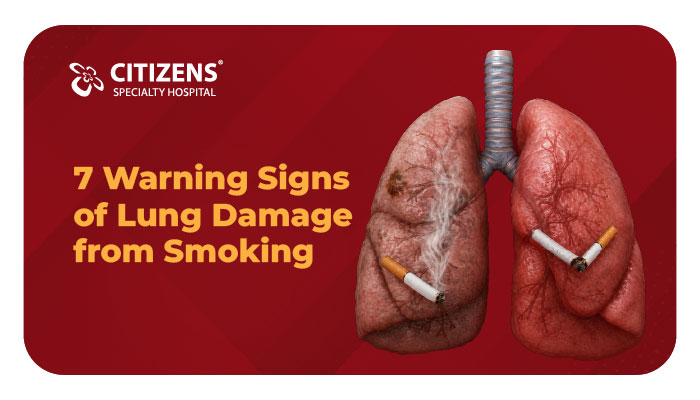
Smoking is one of the leading causes of preventable diseases and deaths worldwide. Despite widespread awareness, millions of people continue to smoke cigarettes, bidis, cigars, or hookah often underestimating the long-term damage smoking causes to the lungs. The harmful chemicals in tobacco smoke gradually destroy lung tissue, reduce oxygen exchange, and weaken the body’s natural defense mechanisms.
Lung damage from smoking doesn’t always appear suddenly. In many cases, early warning signs are subtle and ignored until the damage becomes severe or irreversible. Recognizing these signs early can help prevent serious complications such as chronic obstructive pulmonary disease (COPD), lung infections, and lung cancer.
Understanding the Impact of Smoking on Your Lungs
Every time you inhale cigarette smoke, thousands of chemicals enter your respiratory tract. These substances paralyze and eventually destroy the cilia tiny, hair-like structures that line the airways and sweep away mucus and dirt. Without functioning cilia, toxins become trapped in the lungs. This continuous irritation causes inflammation, reduces lung capacity, and forces the heart to work harder to deliver oxygen throughout the body.
7 Critical Warning Signs of Lung Damage
1. A Persistent, Nagging Cough
A cough is your body’s natural defense mechanism to clear the airways of irritants. However, a cough that lasts for more than a month is considered chronic and is a primary indicator of respiratory distress. Often referred to as a "smoker's cough," this persistent hacking is a sign that your lungs are struggling to clear out the tar and toxic buildup left behind by cigarettes.
2. Shortness of Breath During Routine Activities
Struggling to catch your breath after climbing a single flight of stairs or walking to the mailbox is not a normal sign of aging. Shortness of breath, known medically as dyspnea, occurs when the lungs can no longer process oxygen efficiently. If you find yourself gasping for air during tasks that used to be effortless, it is time to consult a medical professional.
3. Unexplained Chest Pain
Chest pain should always be taken seriously. Lung damage from smoking can cause inflammation in the lining of the lungs, leading to sharp or dull aching in the chest, shoulders, or back. This discomfort often worsens when you inhale deeply, cough, or laugh. Because chest pain can also indicate severe cardiovascular issues, immediate medical evaluation is essential.
4. Chronic Mucus Production
Mucus defends the respiratory system by trapping infections and irritants. When you smoke, your lungs produce excess mucus to catch the incoming toxins. If you find yourself constantly clearing your throat or coughing up phlegm especially if the mucus is yellow, green, or brown your lungs are signaling chronic inflammation or an underlying infection.
5. Wheezing or Noisy Breathing
Healthy airways allow air to flow silently and smoothly. Wheezing is a high-pitched whistling sound that occurs when air is forced through narrowed or blocked airways. This narrowing is frequently caused by inflammation and excess mucus production associated with chronic smoking. Wheezing is a strong indicator of early-stage COPD or asthma triggered by smoke irritation.
6. Frequent Respiratory Infections
Smoking weakens the immune system and damages the structural integrity of the lungs, making you highly susceptible to bacterial and viral infections. If you experience recurrent bouts of bronchitis, pneumonia, or severe colds that take weeks to resolve, your respiratory defense mechanisms are likely compromised.
7. Coughing Up Blood
Hemoptysis, or coughing up blood, is an alarming symptom that requires urgent medical attention. Blood in your sputum can originate from the lungs or the upper respiratory tract and may indicate severe chronic bronchitis, severe infections, or lung cancer. Never ignore this symptom, regardless of the amount of blood present.
Conclusion
Smoking silently damages the lungs long before serious disease becomes obvious. A persistent cough, shortness of breath, frequent infections, wheezing, chest pain, and fatigue are all warning signs that should never be ignored.
Recognizing these symptoms early and taking action by quitting smoking and seeking medical evaluation can protect your lungs, improve your quality of life, and even save your life.