Organ Transplant

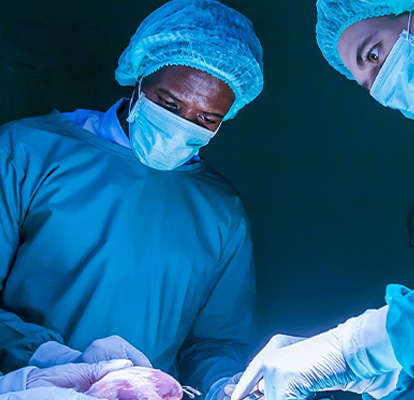
The Department of Organ Transplant at the Citizens Specialty Hospital is equipped with advanced facilities, infrastructure, and dedicated post-operative care services to improve the outcomes of patients undergoing organ transplantation. The hospital offers state-of-the-art comprehensive transplant services for liver, lung, kidney, heart, and pancreas transplants. The department comprises highly qualified and extensively experienced transplant surgeons, assisted by trained paramedical staff.

Our Specialist

The Highest
Quality Healthcare

newimage

100 +

Doctors & Trained Staff

newimage

45 +

Term Of Specialists

newimage

5,000 +

Patients From More Than 5 Countries

newimage

150 +

OT Departments

Patients Stories

Faq's

The eligibility criteria for being a liver donor are:

  • The person should be in good mental and physical health
  • The person should be of the age between 18 years to 55 years
  • Should have a body mass index of less than 35
  • Should not have major cardiovascular or kidney diseases, hepatitis, cancer, or chronic or acute infections
  • Should not be engaged in substance abuse
  • Should have a blood type that is compatible with the recipient

The types of organ transplants are:

  • Living organ donation: A living person, who can be a relative, friend, or anonymous person, can donate a part of the liver or a kidney. The liver has the ability to regrow to its normal size. Further, the donor can live a healthy life with one kidney.
  • Deceased organ donation: The recipients can also receive organs or tissues from a deceased person. A deceased person who consents to donate organs prior to death can save up to eight lives.
  • Tissue donation: Tissues, such as bones, skin, and heart valves, can be donated by the donor.

The patient is shifted to the intensive care unit after the surgery. The patient is usually kept in the ICU for about five days until all the vital parameters are stable. The patient is then shifted to the general ward for about a week. The patient may be on the ventilator until he can breathe on his own. He would be under constant monitoring by the hospital staff. The doctor prescribes medications to the patients to reduce the risk of rejection and infection. Drugs are also prescribed to manage pain and swelling. The patient should take good care of his wound and practice dental hygiene.

Some of the myths associated with organ transplants are:

  • Myth: Organ donation results in the mutilation of the body. Fact: The surgeons, who are experts in organ removal and transplantation, surgically remove the organs.
  • Myth: Any person can donate organs. Fact: There are certain eligibility criteria for being a donor.
  • Myth: There is a cost involved in donating organs. Fact: The donor is not charged for donating the organs. The final bill only includes the charges for saving the life of the donor. The cost of organ removal is added to the overall cost of the recipient.

Blogs

Our Blogs will keep you updated with the latest news,
campaigns, health and wellness updates you should know.