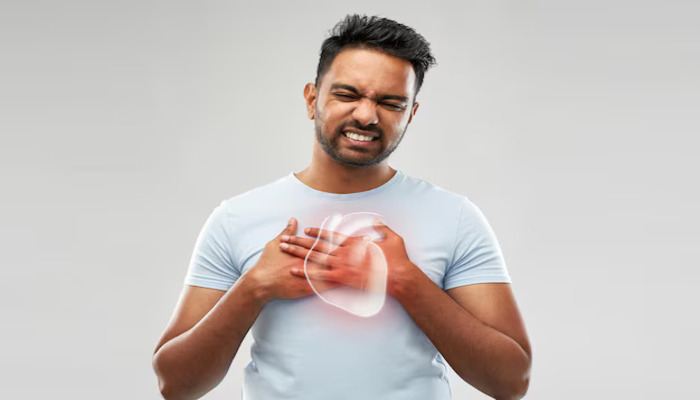
A heart attack is a sudden blockage of blood flow to part of the heart muscle. Most often, this happens when a cholesterol-rich plaque inside a coronary artery becomes unstable and a clot forms around it, narrowing or closing the vessel. Without enough oxygen, heart muscle begins to get damaged. Traditionally, heart attacks are more common in people in their 50s, 60s, and beyond. In recent years, however, doctors have been seeing more cases discussed in younger adults as well. The reasons are varied and can differ from person to person, ranging from lifestyle and environmental factors to family history, and no single explanation fits everyone.
Health trends reflect the way we live. In many Indian cities, fast-paced routines, long commutes, irregular meals, less sleep, and chronic stress are common. At the same time, screens keep us seated for hours and food choices often tilt toward highly processed options. When these habits persist, they can influence blood pressure, cholesterol, and blood sugar over time. A family history of early heart disease or certain inherited lipid problems can add to the mix. None of these elements guarantee a heart attack; rather, they may contribute to a higher overall risk in some individuals. Understanding your personal combination of factors often starts with a careful risk assessment guided by the best cardiologist in India or a qualified physician.
Over time, artery health can be affected by insulin resistance, increasing waist circumference, and high triglycerides. Consistent, balanced meals, more fiber-rich foods, and daily movement help improve these numbers. Short activity breaks during the day and regular hydration support these changes. If you have a family history of diabetes or early heart disease, schedule periodic screening for blood pressure, fasting lipids, and glucose as advised by your doctor. For individual targets and follow-up, consult the best cardiologist in India at Citizens Specialty Hospital.
Heart rate and blood pressure can be raised by prolonged stress and irregular sleep, which may also influence habits such as excess caffeine use or skipped workouts. Aim for a steady sleep window, brief morning daylight exposure, and short breaks during work. Techniques like paced breathing or mindfulness may help when stress is high. Seek professional support if stress interferes with daily function.
Vessel lining can be irritated and arteries narrowed by tobacco smoke and nicotine vapour. Blood pressure may be raised and dehydration triggered by binge drinking. Stopping tobacco, reducing drinking, and vaping decreases risk at any age.
Over the long term, cardiovascular health can be influenced by fine particulate pollution. Reduce exposure by exercising indoors on high-pollution days, using a well-fitting mask during heavy-traffic commutes, and improving indoor ventilation or filtration can also reduce risk. Choosing quieter routes and timing outdoor activity for cleaner hours can help you stay active with less exposure.
Heart health is supported by regular exercise. Increased strain may result from sudden, high-intensity sessions after long gaps or from stimulants, fat-burners, or anabolic agents. Warm up, progress intensity gradually, hydrate well, and avoid unverified pre-workout products. Stop exercising and seek evaluation if you experience chest discomfort, unusual breathlessness, or lightheadedness. A sports-aware clinician or the best cardiologist in India can tailor a safe training plan.
Temporary changes in heart or vessel function may occur after significant infections or inflammatory illnesses. Resume activity in stages, beginning with low-intensity movement and monitoring symptoms. If chest discomfort or fatigue persists, obtain medical advice before returning to vigorous exercise.
Higher cardiovascular risk can be indicated by a family history of early heart disease. Earlier or more frequent screening may be appropriate, and some individuals may require additional lipid or imaging tests based on clinical evaluation. For personalised screening and prevention plans, consult a cardiologist.
Seek urgent care for chest pressure or tightness—especially if it spreads to the arm, jaw, or back—or if it is accompanied by sweating, nausea, or breathlessness. Symptoms in younger adults can be milder or mistaken for acidity or muscle strain. Discomfort that persists or occurs with exertion warrants prompt assessment.
Over time, heart health can be improved more by sustained habits than by one-time changes. Aim for regular aerobic and strength activity after consultation from your cardiologist; meals built around vegetables, fruits, pulses, whole grains, nuts, and healthy oils; and routine checks of blood pressure, lipids, and glucose at intervals advised by your doctor. Stay well hydrated and avoid unprescribed steroids.
Evaluation plans can be guided by a heart specialist if you have a significant family history, diabetes, high blood pressure, exercise-related symptoms, or if you are starting a high-intensity training program. A focused consultation can direct appropriate tests and practical steps for risk reduction.
For prevention, diagnosis, and treatment, the cardiology department at Citizens Specialty Hospital provides comprehensive care led by the best cardiologist in Hyderabad. For personalised guidance about your risk or symptoms, book a consultation through our website www.citizenshospitals.com or contact us at 040 67 19 19 19.