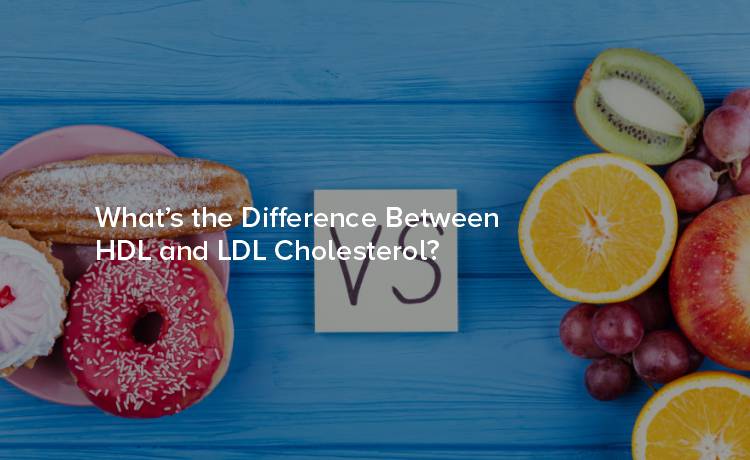
When we hear the word "cholesterol," it often conjures negative connotations. However, cholesterol itself isn’t inherently bad. It’s a vital substance our bodies need to build cells and make hormones. The real question lies in the type of cholesterol we’re discussing. You may have heard of HDL and LDL cholesterol, often referred to as "good" and "bad" cholesterol. But what separates these two, and why is understanding the difference so important?
Before we dissect HDL and LDL cholesterol, it’s important to understand cholesterol's role in the body. Cholesterol is a waxy, fat-like substance produced primarily in the liver, but it’s also found in animal-based foods such as meat, dairy, and eggs.
Though we often think of cholesterol as something to fear, it serves essential functions, including:
However, when cholesterol levels become imbalanced, it can lead to serious health risks.
High-Density Lipoprotein (HDL) is often termed "good cholesterol," and for good reason. HDL cholesterol acts as a scavenger, traveling through your bloodstream to pick up excess cholesterol and transport it to the liver for processing and removal.
HDL plays a crucial protective role in your heart health. High HDL cholesterol levels are associated with a lower risk of cardiovascular diseases, including heart attack and stroke. By carrying excess cholesterol away from the arteries and preventing plaque buildup, HDL acts as a natural cleanser for your circulatory system.
Optimal HDL Levels
Your HDL cholesterol levels are just as important as your total cholesterol levels. Doctors generally consider the following levels healthy:
The higher your HDL levels, the better protection you have against cardiovascular disease.
Why is LDL Cholesterol Harmful?
When there’s an abundance of LDL cholesterol in the blood, it can deposit in the walls of arteries, creating a buildup known as plaque. Over time, this plaque can narrow and harden the arteries, a condition called atherosclerosis. This reduces blood flow, increasing the risk of heart attack, stroke, and other cardiovascular problems.
Optimal LDL Levels
Managing LDL levels is critical for good health. Generally, the following are considered healthy LDL levels:
Managing cholesterol levels doesn’t need to feel daunting. Small lifestyle changes can make a big difference in improving your HDL levels, lowering LDL levels, and finding balance.
Eat Heart-Healthy Foods
1. Add more soluble fiber to your diet. It binds with cholesterol and removes it from your body before it can enter your circulation. Foods high in soluble fiber include oats, beans, lentils, and fruits like apples and pears.
2. Include sources of healthy fats, such as avocados, nuts, seeds, and fatty fish like salmon and mackerel. These can help increase HDL while lowering LDL levels.
Stay Active
Engaging in regular aerobic activity, like brisk walking, cycling, or swimming, can boost your HDL levels while improving overall cardiovascular health.
Avoid Trans Fats
Trans fats, found in many processed foods like baked goods and fried snacks, can raise LDL levels and lower HDL levels. Opt for whole, minimally processed foods instead.
Quit Smoking
For smokers, quitting can significantly improve HDL levels and overall heart health. This is a critical step toward balancing cholesterol levels.
Moderate Alcohol Consumption
Some studies suggest that moderate alcohol consumption may increase HDL levels. However, it’s important to consult with a healthcare provider to determine what’s best for you.
Regular cholesterol testing is essential for monitoring your heart health. The general recommendation is to have your cholesterol levels checked every 4–6 years if you’re an adult over 20. Those with risk factors such as family history, high blood pressure, or diabetes should consult their doctor for more frequent testing.
Understanding the difference between HDL and LDL cholesterol is crucial for maintaining not only heart health but your overall well-being. By making informed decisions about your diet, exercise, and lifestyle, you can take active control of your cholesterol levels and reduce your risk of cardiovascular disease.
To learn more about achieving optimal cholesterol levels or to schedule your next cholesterol test, consult your healthcare provider for personalized advice. Taking steps today can lead to a healthier tomorrow.