Upper stomach pain can be a concerning symptom that affects your daily activities and overall quality of life. This discomfort, medically referred to as epigastric pain, occurs in the area between your ribcage and below your breastbone. While occasional stomach pain is normal, persistent or severe upper abdominal pain may indicate underlying health conditions that require professional medical attention.
Understanding the various causes of upper stomach pain is crucial for seeking appropriate treatment, especially when considering specialized care such as liver disease treatment in Hyderabad for hepatic-related conditions. Whether your pain is acute or chronic, identifying the root cause enables healthcare professionals to develop an effective treatment plan tailored to your specific needs.
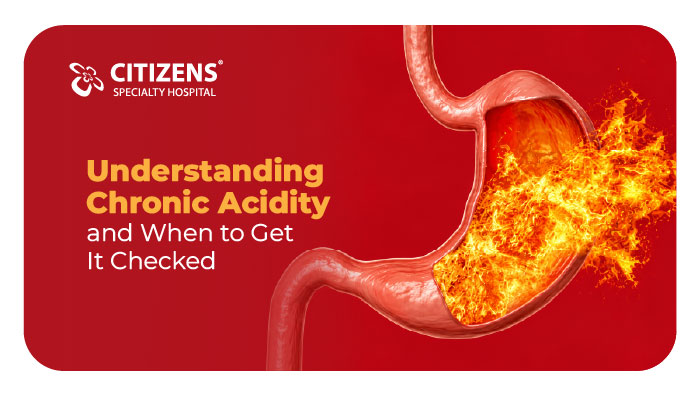
GERD occurs when stomach acid flows back into the esophagus, causing irritation and inflammation. This condition frequently manifests as burning pain in the upper abdomen, often accompanied by heartburn, regurgitation, and difficulty swallowing.
Peptic ulcers are open sores that develop in the stomach lining or the upper part of the small intestine. These ulcers can cause significant upper abdominal pain, particularly when the stomach is empty.
Gallstones and gallbladder inflammation (cholecystitis) can cause intense upper right abdominal pain that may radiate to the back or shoulder blade.
Various liver disorders can manifest as upper stomach pain, particularly in the right upper quadrant. These conditions range from fatty liver disease to more serious hepatic disorders that may require specialized intervention.
Inflammation of the pancreas can cause severe upper abdominal pain that radiates to the back. This condition requires immediate medical attention and can be life-threatening if left untreated.
Upper stomach pain warrants medical evaluation when it becomes persistent, severe, or is accompanied by concerning symptoms. Certain red flags indicate the need for immediate medical intervention.
Seek immediate medical care if you experience:
Schedule a medical consultation for:
Healthcare professionals employ various diagnostic methods to identify the underlying cause of upper stomach pain. A comprehensive evaluation typically begins with a detailed medical history and physical examination.
Your healthcare provider will:
Depending on your symptoms, additional tests may include:
Treatment for upper stomach pain varies significantly based on the underlying cause. A personalized approach ensures optimal outcomes and symptom relief.
Many conditions causing upper stomach pain respond well to dietary and lifestyle changes:
Depending on the diagnosis, treatment may include:
When upper stomach pain stems from liver disorders, specialized treatment becomes essential. Expert hepatologists provide comprehensive evaluation and advanced treatment options tailored to each patient's specific condition and needs.
Upper stomach pain, while common, should never be ignored when it becomes persistent or severe. Understanding the various causes empowers you to seek appropriate medical care and make informed decisions about your health. Early intervention often leads to better outcomes and prevents complications from developing.
If you're experiencing ongoing upper stomach pain, especially symptoms suggestive of liver involvement, consulting with specialists who provide expert liver disease treatment in Hyderabad ensures you receive comprehensive evaluation and cutting-edge care. Remember that each patient's experience is unique, and personalized treatment plans offer the best path to symptom relief and improved quality of life. Take the first step toward better digestive health by scheduling a consultation with qualified healthcare professionals who can properly evaluate your symptoms and recommend appropriate treatment options.
The most frequent causes include GERD, peptic ulcers, gallbladder disorders, liver conditions, and pancreatitis. Each condition has distinct characteristics and requires specific treatment approaches.
Seek medical attention for persistent pain lasting more than a few days, severe sudden onset pain, or pain accompanied by fever, vomiting blood, or signs of jaundice.
Yes, stress can contribute to upper stomach pain by increasing acid production, affecting digestion, and potentially triggering conditions like GERD or peptic ulcers.
Liver-related pain typically occurs in the right upper abdomen and may be accompanied by fatigue, loss of appetite, and jaundice. It often requires specialized evaluation and treatment.
Dietary modifications, stress management, maintaining a healthy weight, avoiding trigger foods, and eating smaller meals can significantly improve symptoms for many conditions.
Diagnosis timeline varies depending on symptom complexity and required tests. Simple cases may be diagnosed quickly, while complex conditions may require multiple consultations and specialized testing.