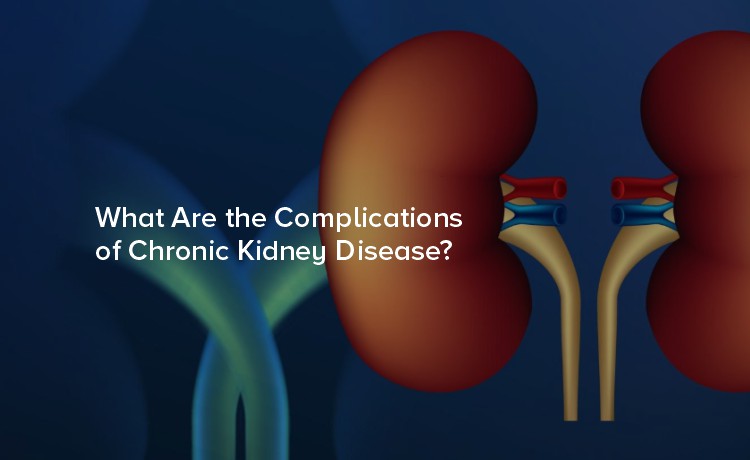
Chronic kidney disease (CKD) is a serious condition affecting millions of people worldwide. It occurs when the kidneys gradually lose their ability to filter waste and excess fluids from the blood, impacting overall health and well-being. While CKD itself requires careful management, its complications can be far-reaching and life-altering if not addressed proactively.
Chronic kidney disease can lead to a variety of complications, many of which influence different body systems. Below, we explore the most common complications in detail.
High blood pressure, or hypertension, is both a cause and a consequence of CKD. When the kidneys are damaged, they struggle to regulate fluid and salt in the body, leading to increased blood pressure. Over time, high blood pressure can further harm the kidneys, creating a dangerous cycle.
Symptoms and Risks
Management Strategies
Anemia, a condition where the body lacks sufficient red blood cells to carry oxygen, is common in CKD patients. Healthy kidneys produce a hormone called erythropoietin (EPO), which stimulates red blood cell production. When kidney function declines, EPO levels decrease, leading to anemia.
Symptoms
Fatigue, pale skin, dizziness, shortness of breath, and cold extremities are common signs.
Impact
Untreated anemia can lower your quality of life, exacerbate cardiovascular risks, and make physical activity more challenging.
Management
Iron supplements, vitamin supplementation, and EPO-stimulating medications are commonly used to treat CKD-associated anemia.
Kidneys play a crucial role in maintaining healthy levels of calcium and phosphorus in the blood while activating vitamin D. CKD hinders this regulation, leading to mineral imbalances that affect bone health.
Key Complications
Symptoms
Joint pain, bone fractures, muscle weakness, and arterial stiffness are typical signs.
Prevention and Management
Chronic kidney disease significantly heightens the risk of developing cardiovascular disease (CVD). The exact mechanisms are complex but include high blood pressure, mineral and bone disorders, and inflammation associated with CKD.
Risk Factors
High cholesterol, increased fluid retention, and hardening of arteries are commonly linked to CKD patients.
Impact
Heart attack, stroke, and heart failure are leading causes of death in individuals with CKD. Cardiovascular complications often progress silently, underscoring the need for regular monitoring.
Management
A heart-healthy diet, physical activity, and medications prescribed for cholesterol or blood pressure management are critical for reducing risk.
When kidneys are no longer able to effectively remove excess water from the body, fluid builds up in tissues. This is known as edema and can become a severe problem for CKD patients.
Symptoms
Swollen ankles, feet, or hands; difficulty breathing; and rapid weight gain are common signs.
Consequences
Fluid overload can affect lung function, leading to pulmonary edema, which requires immediate medical attention.
Management
Reducing salt intake and using diuretics under medical advice are effective strategies to control fluid retention.
CKD disrupts the delicate balance of electrolytes such as potassium, sodium, and calcium. These imbalances can cause a range of symptoms and, if left untreated, lead to medical emergencies.
Key Concerns
Management
Living with CKD can take a toll on mental health. The stress of managing a chronic condition, dietary restrictions, and the physical effects of CKD can lead to anxiety and depression.
Symptoms
Feelings of hopelessness, changes in sleep patterns, and a lack of interest in daily activities may arise.
Impact
Poor mental health can reduce motivation to follow treatment plans, worsening CKD outcomes.
Support
Without proper management, CKD can progress to end-stage renal disease (ESRD), where kidney function declines to the point of requiring dialysis or a kidney transplant. ESRD represents the most severe complication of CKD and requires significant lifestyle adjustments.
Steps to Manage CKD Complications
While the potential complications of CKD are serious, there are several steps you can take to reduce risks and maintain a good quality of life:
1. Follow a healthy diet: Work with a renal dietitian to ensure you’re eating the right balance of nutrients to protect your kidneys.
2. Manage blood pressure and diabetes: Uncontrolled hypertension and diabetes are leading causes of CKD and its complications.
3. Stay physically active: Moderate exercise helps control weight, boost mood, and enhance overall well-being.
4. Attend regular check-ups: Routine tests can help detect complications early and allow for timely intervention.
5. Take prescribed medications: Follow your healthcare provider’s instructions for medications to address high blood pressure, anemia, and other complications.
Chronic kidney disease is a complex condition that requires careful management and awareness of potential complications. By understanding the risks and working closely with healthcare professionals, you can take proactive steps to maintain your health and quality of life.
If you or a loved one is managing CKD, stay informed, ask questions, and don’t hesitate to seek support. Knowledge and timely intervention are your most powerful tools in the fight against CKD.