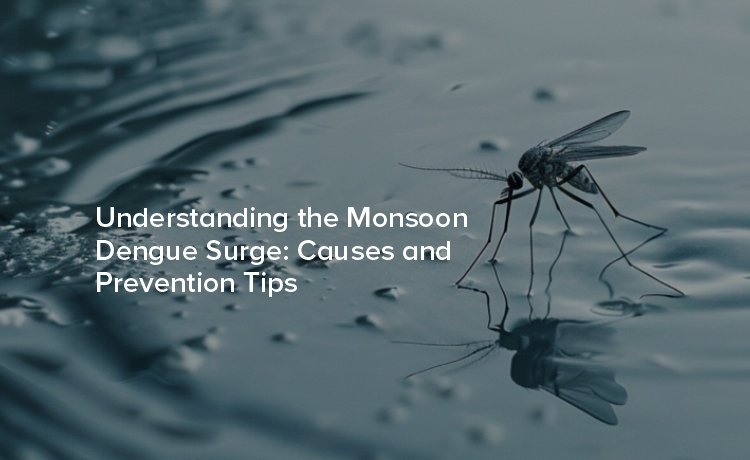
As the first drops of monsoon rain begin to fall, communities across tropical and subtropical regions brace for more than just flooding and humidity. The rainy season brings with it a predictable yet concerning public health challenge: a dramatic surge in dengue fever cases. This mosquito-borne viral infection affects millions worldwide, with case numbers often doubling or tripling during monsoon months.
Understanding why dengue cases spike during the rainy season—and more importantly, how to protect yourself and your family—can make the difference between a healthy monsoon season and a medical emergency. The relationship between rainfall and dengue transmission is complex, involving environmental factors, mosquito breeding patterns, and human behaviour changes that create the perfect storm for viral spread.
The connection between monsoon rains and dengue transmission centres on one key factor: the Aedes aegypti mosquito, the primary vector for dengue virus. These mosquitoes don't just prefer wet conditions—they depend on them for reproduction and survival.
Monsoon rains create countless breeding sites for Aedes aegypti mosquitoes. Unlike other mosquito species that breed in natural water bodies, Aedes aegypti prefers clean, stagnant water found in artificial containers. The rainy season transforms everyday items into potential mosquito nurseries:
Each of these sites can produce hundreds of mosquitoes within just 7-10 days, creating a rapid multiplication effect that overwhelms prevention efforts.
Monsoon weather doesn't just provide breeding sites—it creates optimal conditions for mosquito survival and virus replication. The combination of warm temperatures (typically 25-30°C) and high humidity during monsoon season:
Monsoon season also influences human behavior in ways that increase dengue transmission risk. Heavy rains often force people to:
Dengue fever progresses through distinct phases, and early recognition can prevent complications and guide appropriate medical care. The incubation period typically ranges from 4-7 days after being bitten by an infected mosquito.
The onset of dengue often resembles other viral infections, making early diagnosis challenging. Key symptoms to monitor include:
Dengue can progress to severe forms, including dengue hemorrhagic fever and dengue shock syndrome. Seek immediate medical attention if you experience:
Early medical intervention during the critical phase (typically days 3-7 of illness) can prevent life-threatening complications and significantly improve outcomes.
Preventing dengue requires a multi-layered approach that targets mosquito breeding, personal protection, and community-wide control measures. The most effective prevention strategies combine environmental management with personal protective behaviors.
The single most effective way to prevent dengue is to eliminate mosquito breeding sites around your home and community:
While eliminating breeding sites addresses the source, personal protection provides immediate defense against mosquito bites:
Understanding when to seek medical attention can be lifesaving for dengue patients. The progression of dengue fever is often unpredictable, and what begins as mild symptoms can rapidly evolve into severe complications.
Dengue prevention extends beyond individual households to encompass entire communities. The Aedes aegypti mosquito typically flies only about 200 meters from its breeding site, meaning that effective local prevention can dramatically reduce transmission risk for everyone in the area.
Remember that dengue prevention is most effective when sustained throughout the year, not just during peak transmission season. The small actions you take today—covering water containers, eliminating breeding sites, and staying informed about symptoms—create a protective environment that benefits your entire community.