Barrett’s esophagus is a condition that develops in some people with chronic acid reflux, causing changes to the lining of the esophagus. While the diagnosis can sound alarming, understanding what Barrett’s esophagus means and its real relationship to esophageal cancer can help you approach monitoring and treatment with clarity rather than fear.
What Is Barrett’s Esophagus?
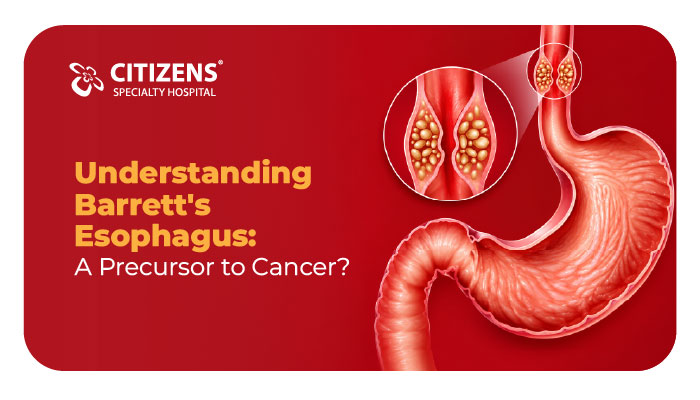
Barrett’s esophagus occurs when the normal squamous cells lining the esophagus are replaced by columnar cells similar to those found in the intestine, a process called intestinal metaplasia. This change typically develops as a response to chronic irritation from stomach acid repeatedly flowing back into the esophagus, a condition known as gastroesophageal reflux disease (GERD).
What Causes Barrett’s Esophagus?
The primary cause is long-standing GERD, though not everyone with reflux develops Barrett’s esophagus. Risk factors include:
Symptoms of Barrett’s Esophagus
Barrett’s esophagus itself typically doesn’t cause distinct symptoms beyond those of underlying GERD, including:
Importantly, some people with Barrett’s esophagus have minimal or no reflux symptoms, which is why screening based on risk factors, rather than symptoms alone, is often recommended.
How Is Barrett’s Esophagus Diagnosed?
Understanding Dysplasia: The Key to Cancer Risk
The relationship between Barrett’s esophagus and cancer risk centers on dysplasia abnormal cell changes that can progress toward cancer over time.
No Dysplasia
Cells show Barrett’s changes but no precancerous features. This carries a relatively low risk of progression to cancer, though ongoing monitoring is still recommended.
Low-Grade Dysplasia
Mild abnormal cell changes are present, indicating a somewhat higher risk of progression, warranting closer monitoring or treatment.
High-Grade Dysplasia
Significant abnormal cell changes are present, considered the last step before cancer develops. This typically warrants active treatment to prevent progression to esophageal adenocarcinoma.
Is Barrett’s Esophagus a Precursor to Cancer?
Barrett’s esophagus is considered a risk factor for esophageal adenocarcinoma, a type of esophageal cancer. However, it’s important to understand the actual risk:
Monitoring and Surveillance
Because of the potential cancer risk, regular endoscopic surveillance is recommended for those diagnosed with Barrett’s esophagus, with intervals based on the presence and degree of dysplasia:
Treatment Options for Barrett’s Esophagus
Managing Underlying GERD
Treating Dysplasia
For low-grade or high-grade dysplasia, several endoscopic treatments can remove or destroy abnormal tissue:
These minimally invasive endoscopic treatments have significantly reduced the need for more extensive surgery in managing dysplastic Barrett’s esophagus.
Lifestyle Modifications to Manage GERD and Barrett’s Esophagus
Living with Barrett’s Esophagus
A diagnosis of Barrett’s esophagus requires ongoing management but doesn’t necessarily mean cancer is inevitable. Key steps include:
When to Seek Prompt Medical Evaluation
Contact your doctor promptly if you experience:
Conclusion
Barrett’s esophagus is an important condition to understand and monitor, given its association with increased esophageal cancer risk. However, with regular surveillance, appropriate treatment of underlying GERD, and prompt management of any dysplasia, most people with Barrett’s esophagus can effectively minimize their cancer risk and maintain good long-term health.
Frequently Asked Questions
Q: Does everyone with GERD develop Barrett’s esophagus? A: No, only a relatively small percentage of people with chronic GERD develop Barrett’s esophagus, though risk increases with the duration and severity of reflux symptoms.
Q: Can Barrett’s esophagus be reversed? A: With treatments like radiofrequency ablation, Barrett’s tissue can be effectively removed and replaced by normal tissue, though ongoing monitoring is still typically recommended.
Q: How often will I need an endoscopy if I have Barrett’s esophagus? A: This depends on whether dysplasia is present; surveillance intervals range from every three to five years for no dysplasia to more frequent monitoring or treatment for dysplasia.
Q: Does Barrett’s esophagus always progress to cancer? A: No, most people with Barrett’s esophagus never develop esophageal cancer, especially with appropriate monitoring and management of underlying GERD.
Q: Can diet alone treat Barrett’s esophagus? A: While dietary and lifestyle changes help manage underlying GERD, they don’t reverse existing Barrett’s changes; medical or endoscopic treatment is typically needed for that.