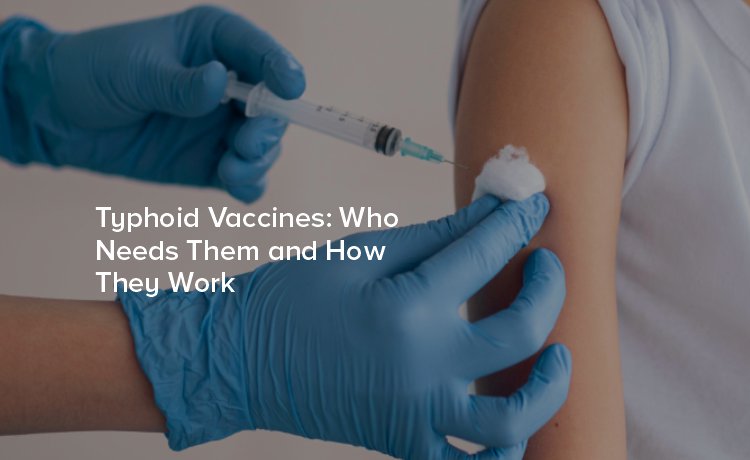
Typhoid fever is a serious bacterial infection caused by Salmonella Typhi. Although largely controlled in developed countries, it remains a significant health concern in parts of Asia, Africa, and Latin America. In India, typhoid is endemic, and millions are at risk every year, particularly children and young adults. One of the most effective ways to prevent this potentially life-threatening illness is vaccination. If you are looking for guidance on vaccination or want personalized advice, consulting the best general physician in Hyderabad can help you make informed decisions for yourself and your family. Understanding who should get vaccinated and how typhoid vaccines work is essential for proactive health management.
Typhoid fever is a life-threatening infection spread through contaminated food and water. When a person ingests food or beverages contaminated with Salmonella Typhi, the bacteria multiply and spread into the bloodstream.
Symptoms typically appear 1 to 3 weeks after exposure and can include:
Without prompt treatment, typhoid can lead to serious complications such as intestinal bleeding, perforation, and even death. Treatment usually involves a course of antibiotics, but growing antibiotic resistance is making treatment more challenging. This is why prevention, particularly through vaccination, is so important.
The Centers for Disease Control and Prevention (CDC) recommends the typhoid vaccine for specific groups of people who are at a higher risk of exposure. Your doctor can help determine if vaccination is right for you, but the general recommendations include:
Vaccination is generally not recommended for individuals living in areas with a low risk of typhoid, such as the United States, Canada, and Western Europe, unless they fall into one of the categories above.
There are two main types of typhoid vaccines available to protect against the disease. Each has its own administration method and schedule.
Both vaccines are effective at preventing typhoid fever, but neither is 100% effective. It's important to continue practicing food and water safety precautions even after vaccination. A consultation with the best general physician in Hyderabad can help you decide which vaccine is most suitable for your specific situation.
Typhoid vaccines are considered safe and effective, but like any medication, they can cause side effects. Most side effects are mild and resolve on their own within a few days.
Serious reactions to either vaccine are very rare. You should not get the live oral vaccine if you have a weakened immune system or are pregnant. Always discuss your health history with your doctor before getting vaccinated.
Protecting yourself from preventable diseases like typhoid is a vital step in maintaining your overall health, especially when traveling. By understanding the risks and taking the necessary precautions, including vaccination, you can significantly reduce your chances of infection. Remember to always consult a healthcare professional for guidance tailored to your needs. If you're seeking expert medical advice, the best general physician in Hyderabad is available to help you with your vaccination and travel health plans, ensuring you stay safe and healthy on your journeys. Connecting with the best general physician in Hyderabad is a proactive step toward comprehensive healthcare.
The inactivated (shot) vaccine requires a booster every 2 years for ongoing protection. The live oral vaccine requires a booster series every 5 years.
The typhoid vaccine is about 50-80% effective in preventing illness. Because no vaccine is 100% effective, it's crucial to also follow safe eating and drinking habits while traveling in high-risk areas.
Pregnant women should avoid the live oral vaccine. The inactivated shot may be considered if the risk of typhoid exposure is high. It's essential to discuss the risks and benefits with your doctor.
You should get the inactivated shot at least 2 weeks before you travel. For the oral vaccine, you should finish the last dose at least 1 week before you travel. This allows your body enough time to build immunity.
You can get a typhoid vaccine at your doctor's office, a travel clinic, or a public health department. For personalized care, you can schedule an appointment with the best general physician in Hyderabad.