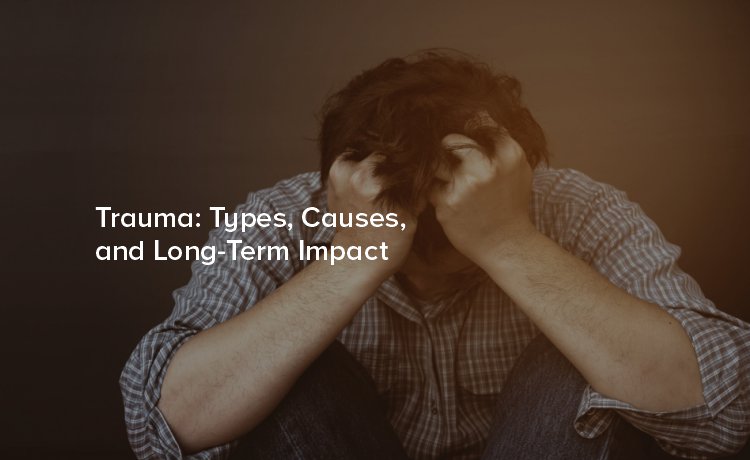
Trauma is more than just a physical injury. It can affect a person emotionally, psychologically, and socially, leaving long-lasting scars that go beyond what is visible. From road accidents and natural disasters to personal loss and abuse, trauma comes in many forms and impacts millions of people worldwide. Understanding trauma—its types, causes, and long-term impact—is the first step toward healing and recovery.
Whether physical or psychological, trauma requires timely diagnosis and effective treatment. With the support of experienced medical professionals at the best multi-specialty hospital in Hyderabad, patients can receive comprehensive care that addresses both the body and the mind.
Trauma refers to the body’s or mind’s response to a deeply distressing or disturbing event. While many people associate trauma only with severe injuries, it also includes emotional or psychological harm caused by overwhelming experiences. The human brain and body react strongly to such situations, often triggering long-lasting stress responses that affect day-to-day functioning.
Trauma can be acute (from a single incident), chronic (from repeated exposure), or complex (from multiple, varied traumatic experiences over time). The effects vary depending on individual resilience, support systems, and access to timely medical or psychological care.
Trauma can be classified into physical and psychological categories, though the two often overlap.
Physical trauma refers to injuries to the body caused by external forces. Common examples include:
Such trauma often requires emergency medical intervention, surgeries, and rehabilitation. Multidisciplinary care available at the best multi specialty hospital in Hyderabad ensures that patients receive treatment from orthopedic surgeons, neurosurgeons, and other specialists under one roof.
Psychological or emotional trauma occurs when a person experiences overwhelming stress that exceeds their ability to cope. Common causes include abuse, neglect, natural disasters, or the sudden loss of a loved one. Types include:
Psychological trauma requires specialized care such as counseling, psychotherapy, and sometimes medication to help patients recover.
Trauma can arise from a wide range of experiences. Some of the most common causes include:
While some traumatic events are unavoidable, seeking immediate help at a reputed hospital or trauma center can significantly reduce their long-term impact.
The long-term effects of trauma can be profound and may manifest years after the actual event. These effects can be categorized into physical, psychological, and social consequences.
Recovery from trauma is a gradual process that requires holistic support. Here are some strategies that play a crucial role:
For physical trauma, immediate medical attention is critical. Access to advanced trauma care, surgical expertise, and rehabilitation therapies is essential for recovery. Patients who receive treatment at the best multi-specialty hospital in Hyderabad benefit from the availability of emergency care, surgical teams, and advanced technology under one roof.
The role of family, friends, and community in trauma recovery cannot be overstated. A supportive environment fosters healing and encourages individuals to seek professional help when needed.
Trauma often requires treatment from multiple medical specialties simultaneously. For example, a patient with a head injury from an accident may need neurosurgery, orthopedic surgery, psychological counseling, and physical rehabilitation. A multi specialty hospital provides all these services under one roof, ensuring continuity of care and better outcomes.
By choosing the best multi-specialty hospital in Hyderabad, patients gain access to:
Trauma is a life-changing experience, but it doesn’t have to define the rest of a person’s life. With the right support, treatment, and coping strategies, individuals can overcome both physical and psychological scars. Early intervention and access to specialized care significantly improve recovery outcomes.
If you or a loved one is dealing with trauma, seeking care at the best multi-specialty hospital in Hyderabad ensures that you receive the expertise, compassion, and comprehensive treatment needed for long-term healing. Remember, recovery may be a journey, but with the right guidance and medical care, a healthy and fulfilling life is possible.
Physical trauma refers to injuries caused by external forces such as accidents, falls, or burns, while psychological trauma is the emotional and mental distress caused by deeply disturbing experiences like abuse, loss, or disasters. Often, both types overlap and require combined treatment.
The most common causes include road accidents, natural disasters, physical assault, childhood abuse, sudden loss of a loved one, and medical emergencies. Both physical and emotional events can leave lasting effects on a person’s health.
Yes. Trauma can lead to long-term physical issues like chronic pain, neurological problems, or heart disease, as well as psychological challenges such as anxiety, depression, PTSD, and difficulty maintaining relationships.
Treatment depends on the type of trauma. Physical trauma may require surgeries, medications, and rehabilitation, while psychological trauma is managed through therapy, counseling, and sometimes psychiatric medications. A holistic approach works best for recovery.
Since trauma often affects multiple systems of the body, treatment requires specialists from different fields such as neurology, orthopedics, psychiatry, and rehabilitation. The best multi specialty hospital in Hyderabad provides all these services under one roof, ensuring comprehensive and coordinated care.
Yes. Children may not always express their feelings verbally and may show trauma through behavioral changes such as withdrawal, aggression, bed-wetting, or sleep disturbances. Early intervention and child-focused counseling are crucial.
Absolutely. With the right medical care, therapy, lifestyle changes, and social support, individuals can recover from trauma and lead fulfilling lives. Healing is a gradual process, but professional guidance can make it much smoother.