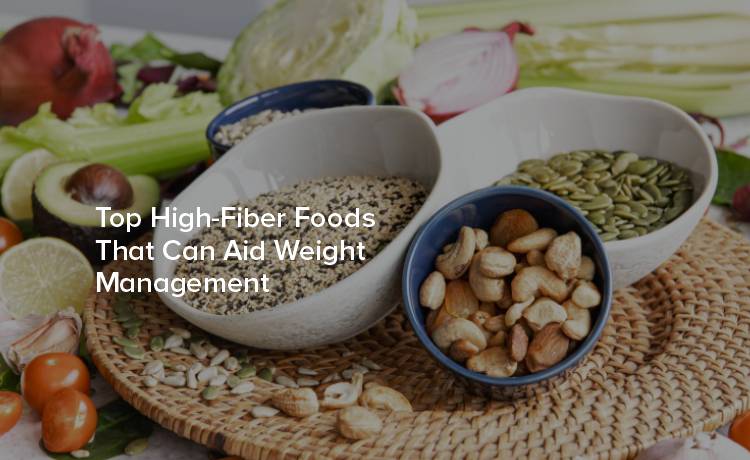
Top High-Fiber Foods That Can Aid Weight Management
Maintaining a healthy weight is a goal for many, but achieving it can sometimes feel challenging. One effective strategy is to focus on your diet, particularly by incorporating high-fiber foods. Fiber not only keeps your digestive system running smoothly but also plays a crucial role in weight management. If you’re looking to optimize your health, combining a diet rich in fiber with regular preventive health check in Hyderabad can provide a comprehensive approach to maintaining overall wellness.
Why is Fiber Important for Weight Management?
Before we explore specific foods, it's important to understand how fiber contributes to a healthy weight. Its benefits are multi-faceted and scientifically supported.
- Promotes Satiety: High-fiber foods are typically more filling than their low-fiber counterparts. Because fiber absorbs water and expands in your stomach, it helps you feel full for a longer period. This sensation of fullness, or satiety, can lead to a natural reduction in calorie consumption throughout the day.
- Slows Digestion: Soluble fiber, in particular, slows down the rate at which food leaves your stomach. This gradual process helps stabilize blood sugar levels, preventing the sharp spikes and subsequent crashes that can trigger cravings for sugary and high-calorie snacks.
- Low in Calories: Many high-fiber foods, such as fruits, vegetables, and whole grains, are naturally lower in calories. By incorporating more of these foods into your diet, you can eat satisfying portions without consuming excess energy, making it easier to maintain a calorie deficit for weight loss.
- Supports Gut Health: A healthy gut microbiome is increasingly linked to effective weight management. Fiber acts as a prebiotic, feeding the beneficial bacteria in your gut. A thriving gut environment can improve metabolism and reduce inflammation, both of which are important for maintaining a healthy weight.
Top High-Fiber Foods to Include in Your Diet
Integrating more fiber into your meals doesn't have to be complicated. Here are some of the best and most accessible high-fiber foods to help you with weight management.
Legumes: The Versatile Powerhouses
Lentils, chickpeas, black beans, and kidney beans are all excellent sources of fiber and plant-based protein. This combination is particularly effective for promoting satiety and building lean muscle mass.
- Lentils: A single cup of cooked lentils provides about 15 grams of fiber. They are incredibly versatile and can be used in soups, stews, salads, and as a meat substitute.
- Chickpeas: Also known as garbanzo beans, chickpeas offer around 12 grams of fiber per cup. They are the star ingredient in hummus but are also great roasted for a crunchy snack or added to salads.
- Black Beans: With approximately 15 grams of fiber per cup, black beans are a fantastic addition to tacos, burritos, and rice dishes.
Whole Grains: The Foundation of a Healthy Diet
Swapping refined grains for whole grains is one of the easiest ways to increase your fiber intake. Whole grains contain the entire grain kernel—bran, germ, and endosperm—which provides fiber, vitamins, and minerals.
- Oats: A bowl of oatmeal for breakfast is a classic way to start your day with fiber. One cup of cooked oats contains about 4 grams of fiber, primarily soluble fiber, which is great for heart health.
- Quinoa: A complete protein, quinoa is also rich in fiber, with over 5 grams per cooked cup. It makes a wonderful base for salads, bowls, or as a side dish instead of rice.
- Barley: This hearty grain packs about 6 grams of fiber per cooked cup. It adds a satisfying, chewy texture to soups and stews.
Fruits: Nature's Sweet and Fibrous Treat
Fruits are not only delicious but also packed with fiber, vitamins, and antioxidants. For the highest fiber content, it's best to eat them with the skin on.
- Berries: Raspberries and blackberries are fiber superstars, with about 8 grams per cup. Strawberries and blueberries are also good sources. Add them to your yogurt, oatmeal, or smoothies.
- Apples and Pears: A medium-sized apple or pear with the skin provides around 4-5 grams of fiber. They make for a convenient and satisfying snack.
- Avocados: Technically a fruit, avocados are unique for their high content of healthy fats and fiber. A medium avocado can contain up to 10 grams of fiber.
Vegetables: The Nutrient-Dense Staples
It's no surprise that vegetables are on this list. They are low in calories and high in nutrients, including fiber.
Broccoli: This cruciferous vegetable offers about 5 grams of fiber per cup. It can be steamed, roasted, or added to stir-fries.
Brussels Sprouts: Another cruciferous powerhouse, Brussels sprouts contain around 4 grams of fiber per cup and are delicious when roasted until crispy.
Carrots: A cup of chopped carrots provides about 3.5 grams of fiber. They are a great raw snack or a sweet addition to cooked dishes.
Nuts and Seeds: Small but Mighty
Nuts and seeds are calorie-dense, so portion control is key. However, they are excellent sources of fiber, protein, and healthy fats.
- Chia Seeds: Just two tablespoons of chia seeds pack an impressive 10 grams of fiber. They can be added to smoothies, yogurt, or used to make a pudding.
-
- Flaxseeds: Two tablespoons of ground flaxseeds provide about 4 grams of fiber. Sprinkle them over cereal or blend them into your smoothie.
- Almonds: A one-ounce serving (about 23 almonds) contains around 3.5 grams of fiber, making them a perfect on-the-go snack.
Conclusion
High-fiber foods are essential allies in achieving and maintaining a healthy weight. By including legumes, whole grains, fruits, vegetables, nuts, seeds, avocados, and even air-popped popcorn in your diet, you can enjoy a nutrient-rich, satisfying eating plan that supports weight management. Along with a balanced diet, regular check-ups are crucial to monitor your overall health and prevent lifestyle-related conditions. Scheduling a preventive health check in Hyderabad can provide personalized insights and guidance, helping you stay on track with your health goals while optimizing your weight management journey.
Frequently Asked Questions
How much fiber do I need each day?
The general recommendation is about 25 grams per day for women and 38 grams per day for men. However, most people consume far less than this. It's best to increase your intake gradually to allow your digestive system to adjust.
Can I get enough fiber on a low-carb diet?
Yes, it is possible. Focus on low-carb, high-fiber foods like non-starchy vegetables (leafy greens, broccoli, cauliflower), avocados, nuts, and seeds.
Are fiber supplements as good as high-fiber foods?
While fiber supplements can help you meet your daily goals, they don't provide the same range of vitamins, minerals, and other beneficial compounds found in whole foods. It's always best to get your fiber from food sources first.
What are the signs of eating too much fiber too quickly?
If you increase your fiber intake too rapidly, you may experience bloating, gas, and abdominal cramps. To avoid this, introduce high-fiber foods into your diet slowly over several weeks and be sure to drink plenty of water.