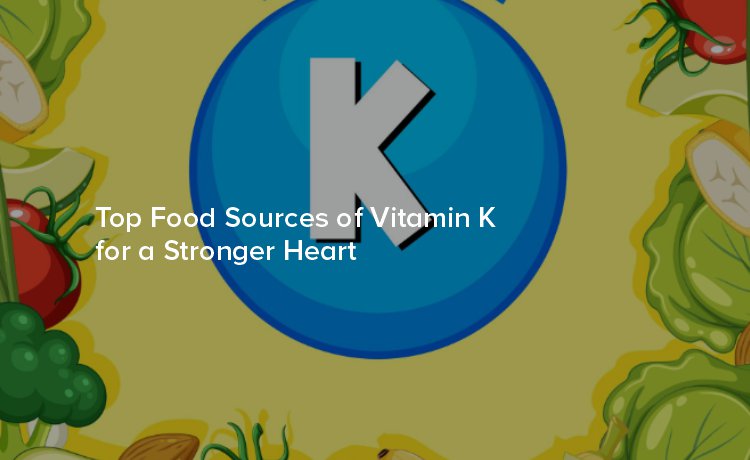
Your heart works tirelessly, beating approximately 100,000 times per day to keep you alive and healthy. While most people focus on avoiding saturated fats and increasing exercise for cardiovascular health, there's one crucial nutrient that often gets overlooked: vitamin K.
This essential vitamin plays a vital role in heart health by supporting proper blood clotting and helping prevent calcium buildup in your arteries. When your body lacks adequate vitamin K, calcium can accumulate in arterial walls, leading to hardening of the arteries and increased risk of heart disease. Fortunately, incorporating vitamin K-rich foods into your daily diet can significantly support your cardiovascular system.
Vitamin K exists in two primary forms: K1 (phylloquinone) found mainly in leafy greens, and K2 (menaquinone) found in fermented foods and animal products. Both forms contribute to cardiovascular health, but they work through different mechanisms.
Vitamin K1 primarily supports blood clotting functions, ensuring your blood can clot properly when needed while preventing excessive clotting that could lead to dangerous blood clots. Vitamin K2, on the other hand, activates proteins that help direct calcium away from your arteries and into your bones where it belongs.
Research indicates that adequate vitamin K intake may reduce the risk of coronary heart disease by up to 9% for every 10 micrograms consumed daily. This protective effect stems from vitamin K's ability to activate Matrix Gla Protein (MGP), which prevents calcium deposits from forming in arterial walls.
Kale stands as one of nature's most concentrated sources of vitamin K1, providing an impressive 684 micrograms per cup of chopped raw kale. This amount far exceeds the daily adequate intake recommendation of 90-120 micrograms for most adults.
Beyond its vitamin K content, kale offers additional heart-healthy compounds including antioxidants, fiber, and potassium. These nutrients work synergistically to support overall cardiovascular function while reducing inflammation throughout your body.
Fresh spinach delivers approximately 145 micrograms of vitamin K per cup of raw leaves. Cooked spinach becomes even more concentrated, providing nearly 890 micrograms per cup due to the reduction in volume during cooking.
Spinach also contains folate, magnesium, and nitrates—compounds that help relax blood vessels and improve circulation. Regular spinach consumption has been associated with lower blood pressure and reduced risk of heart disease.
Collard greens provide about 184 micrograms of vitamin K per cup of chopped raw leaves. These hearty greens have been a staple in heart-healthy diets for generations, particularly in Mediterranean and Southern cuisines.
The robust flavor of collard greens makes them excellent for sautéing with garlic and olive oil, creating a delicious side dish that supports your cardiovascular system.
These miniature cabbages pack 156 micrograms of vitamin K per cup when cooked. Brussels sprouts also contain compounds called glucosinolates, which have been shown to reduce inflammation and support heart health.
Roasting Brussels sprouts with a drizzle of olive oil enhances both their flavor and the absorption of fat-soluble vitamin K.
One cup of cooked broccoli provides approximately 220 micrograms of vitamin K. This versatile vegetable can be steamed, roasted, or added to stir-fries, making it easy to incorporate into various meals throughout the week.
Broccoli's combination of vitamin K, fiber, and antioxidants creates a powerful trio for heart protection and overall health maintenance.
This traditional Japanese fermented soybean dish contains the highest concentration of vitamin K2 found in any food, providing over 1,000 micrograms per 100-gram serving. While natto has a distinctive taste and texture that may require some adjustment, its cardiovascular benefits are unparalleled.
Studies have shown that populations consuming natto regularly have significantly lower rates of heart disease and osteoporosis, highlighting the powerful protective effects of vitamin K2.
Hard, aged cheeses like Gouda, Brie, and Edam contain substantial amounts of vitamin K2, ranging from 50-75 micrograms per ounce. The aging process allows beneficial bacteria to produce vitamin K2, making these cheeses valuable sources of this heart-protective nutrient.
Moderate consumption of aged cheeses can contribute to your daily vitamin K intake while adding calcium and protein to your diet.
Egg yolks from pasture-raised chickens contain approximately 32 micrograms of vitamin K2 per yolk. The vitamin K content varies significantly based on the chickens' diet, with pasture-raised eggs containing higher levels than conventional eggs.
Eggs provide a convenient way to incorporate vitamin K2 into breakfast routines while also supplying high-quality protein and other essential nutrients.
Chicken liver delivers about 14 micrograms of vitamin K2 per 100-gram serving. While organ meats may not appeal to everyone, they represent some of the most nutrient-dense foods available.
For those willing to include organ meats in their diet, chicken liver provides an excellent source of vitamin K2 along with iron, B vitamins, and other nutrients that support overall health.
Vitamin K is fat-soluble, meaning it requires dietary fat for optimal absorption. Consuming vitamin K-rich foods alongside healthy fats like olive oil, avocado, or nuts enhances your body's ability to utilize this important nutrient.
Cooking certain vitamin K-rich vegetables can actually increase their bioavailability. Light steaming or sautéing breaks down cell walls, making the vitamin more accessible to your digestive system.
Consistency matters more than quantity when it comes to vitamin K intake. Your body has limited storage capacity for this vitamin, so regular daily consumption provides more benefits than occasional large doses.
Incorporating these vitamin K-rich foods into your regular meal rotation creates a foundation for long-term cardiovascular health. Start by adding one serving of leafy greens to your daily meals, whether in smoothies, salads, or cooked dishes.
Consider experimenting with fermented foods if they're new to your diet. Many people find that sauerkraut or kimchi provides an easier introduction to fermented foods than natto, while still offering valuable vitamin K2.
Remember that a heart-healthy diet extends beyond just vitamin K. These foods work best as part of an overall nutritional approach that includes plenty of fruits, vegetables, whole grains, lean proteins, and healthy fats.