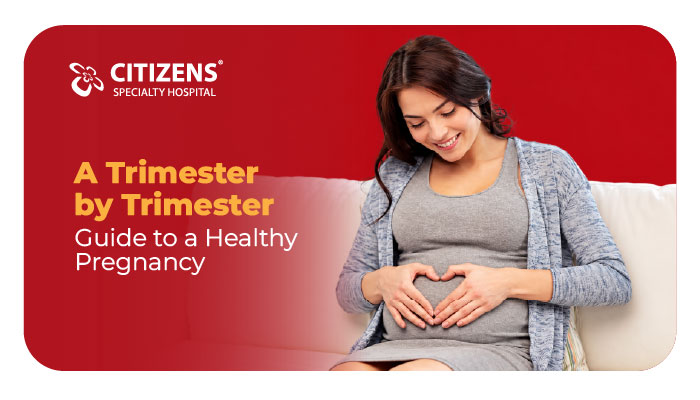
Pregnancy brings many changes to your body, and swollen ankles, feet, and fingers are among the most common experiences you'll encounter. While seeing your feet disappear behind puffy ankles can feel alarming, this condition—medically known as edema—affects up to 80% of pregnant women.
Understanding why swelling occurs during pregnancy, when it's normal, and how to manage it effectively can help you navigate this phase with greater comfort and confidence. We'll explore the underlying causes of pregnancy-related swelling and provide you with practical strategies to find relief.
Your body undergoes remarkable changes during pregnancy to support your growing baby. These physiological shifts directly contribute to the swelling you experience in your extremities.
During pregnancy, your blood volume increases by approximately 50% to nourish your developing baby. This additional fluid puts extra pressure on your blood vessels, making it easier for fluid to leak into surrounding tissues and cause swelling.
Pregnancy hormones, particularly progesterone, cause your blood vessels to relax and expand. While this helps accommodate increased blood flow to your baby, it also makes it easier for fluid to accumulate in your tissues rather than staying within your blood vessels.
As your baby grows, your expanding uterus puts increasing pressure on the vena cava—the large vein that returns blood from your lower body to your heart. This pressure can slow blood circulation in your legs, leading to fluid buildup in your ankles and feet.
Your kidneys retain more sodium during pregnancy, which causes your body to hold onto additional water. This extra fluid contributes to the swelling you notice in your hands, feet, and ankles.
Several factors can influence the severity and timing of pregnancy swelling. Understanding these triggers helps you take proactive steps to minimize discomfort.
Remaining in one position for too long allows gravity to pool fluid in your lower extremities. Whether you're on your feet all day at work or sitting at a desk for hours, prolonged static positioning worsens swelling.
Heat causes your blood vessels to dilate further, increasing fluid leakage into surrounding tissues. Summer pregnancies often bring more pronounced swelling, particularly during the warmest parts of the day.
Consuming too much salt causes your body to retain even more water than pregnancy hormones already trigger. Processed foods, restaurant meals, and packaged snacks often contain hidden sodium that contributes to increased swelling.
While it might seem counterintuitive, not drinking enough water actually worsens swelling. When you're dehydrated, your body holds onto every drop of fluid it can, intensifying edema.
Swelling typically becomes more noticeable as you progress through pregnancy, with the third trimester bringing the most significant changes. Your baby's weight and size create maximum pressure on your circulatory system during these final months.
Taking proactive steps can significantly reduce the severity of pregnancy swelling. These evidence-based approaches work with your body's natural processes to improve circulation and minimize fluid retention.
Prop your feet up above heart level whenever possible. This simple position change helps gravity work in your favor, encouraging fluid to flow back toward your heart rather than pooling in your lower extremities.
Walking, swimming, and prenatal yoga all promote healthy circulation. Even simple ankle rotations and calf raises performed while sitting can help pump fluid back up your legs.
Medical-grade compression stockings provide graduated pressure that supports blood flow from your ankles back to your heart. Put them on first thing in the morning before swelling begins for maximum effectiveness.
Focus on fresh, whole foods while limiting processed options. Read nutrition labels carefully, and aim to keep your daily sodium intake below 2,300 milligrams.
Drink at least eight glasses of water daily. Proper hydration helps your kidneys function efficiently and prevents your body from holding onto excess fluid.
When swelling has already developed, these targeted strategies can provide relief and prevent the condition from worsening.
Immerse your feet and ankles in cool water for 15-20 minutes. The temperature helps constrict blood vessels and reduce inflammation, while the water pressure provides gentle compression.
Use upward strokes to massage your feet, ankles, and calves. This technique helps move accumulated fluid back toward your heart. Ask your partner to help, or consider professional prenatal massage from a qualified therapist.
Sleep on your left side when possible, as this position reduces pressure on the vena cava and improves circulation. Place a pillow between your knees and another under your feet for optimal positioning.
Choose shoes with good arch support and avoid high heels or completely flat shoes. Your feet may grow during pregnancy, so have them measured and consider shoes with adjustable straps or laces.
While mild swelling is normal during pregnancy, certain symptoms require immediate medical evaluation. Recognizing these warning signs protects both you and your baby.
Sudden or Severe SwellingIf swelling appears rapidly or becomes significantly worse overnight, contact your healthcare provider immediately. This pattern can indicate preeclampsia, a serious pregnancy complication.
Swelling in your face, particularly around your eyes, or severe hand swelling that makes it difficult to remove rings warrants prompt medical attention.
Seek immediate care if swelling occurs alongside severe headaches, vision changes, upper abdominal pain, or decreased urine output. These symptoms together may signal preeclampsia.
Swelling that affects only one leg or arm could indicate a blood clot, which requires emergency treatment.
Swelling of the ankles, feet, and fingers during pregnancy is a natural result of the body’s adaptations to support your growing baby. Though it can be uncomfortable, understanding the causes of swollen feet in pregnancy and following simple preventive measures can make a significant difference.
By staying hydrated, eating a balanced diet, exercising moderately, and avoiding prolonged standing, you can manage swollen ankles during pregnancy effectively. However, always stay alert for any sudden or severe changes and consult your doctor to ensure both you and your baby remain healthy.