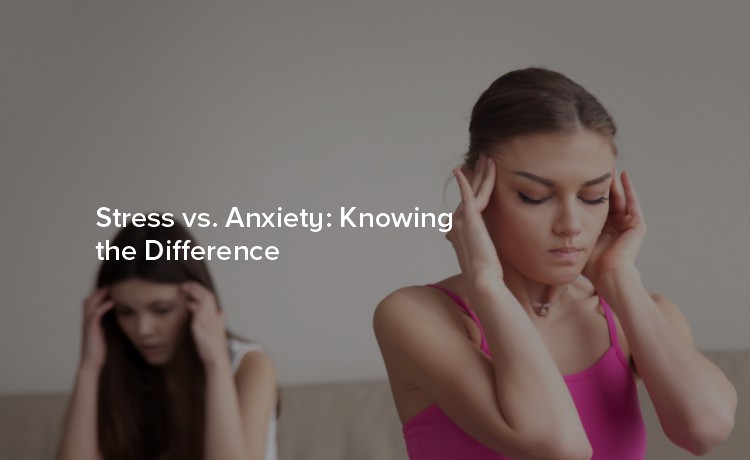
Millions of people experience overwhelming feelings of worry, tension, or unease, but distinguishing between stress and anxiety can be challenging. While these conditions share similar symptoms, understanding their differences is crucial for seeking appropriate treatment. When persistent worry begins interfering with daily life, consulting the best neuro physician in Hyderabad can provide the specialized care needed to address these complex neurological and psychological symptoms effectively.
Both stress and anxiety can manifest through physical symptoms like rapid heartbeat, sweating, and difficulty concentrating. However, stress typically responds to external pressures or demands, while anxiety often persists without a clear trigger. Recognizing these distinctions empowers individuals to make informed decisions about their mental health and seek appropriate medical guidance when necessary.
Stress represents your body's natural response to external pressures, deadlines, or challenging situations. This biological reaction evolved as a survival mechanism, triggering the "fight-or-flight" response when facing perceived threats or demands.
Common stress triggers include:
Stress typically resolves once the triggering situation passes or gets addressed. Your body returns to its baseline state after the stressor disappears, allowing normal functioning to resume.
Anxiety differs significantly from stress in both duration and intensity. This condition involves persistent worry, fear, or apprehension that continues even when no immediate threat exists. Anxiety can become a chronic condition requiring professional medical intervention.
Key characteristics of anxiety include:
Unlike stress, anxiety doesn't always have an identifiable cause and may persist despite attempts to address potential triggers through lifestyle changes alone.
These physical manifestations often overlap, making professional evaluation crucial for accurate diagnosis and appropriate treatment planning.
Stress typically produces emotions directly related to specific situations or challenges. You might feel overwhelmed by work responsibilities or frustrated by traffic delays, but these feelings usually correspond to identifiable circumstances.
Anxiety creates more pervasive emotional experiences that may include:
The cognitive patterns associated with anxiety often involve catastrophic thinking, where minor concerns escalate into worst-case scenarios despite limited evidence supporting these fears.
Understanding these temporal patterns helps distinguish between normal stress responses and anxiety disorders requiring medical attention.
Professional treatment becomes essential when anxiety significantly impacts work performance, relationships, or overall quality of life.
Certain symptoms warrant immediate medical attention from qualified healthcare professionals. The best neuro physician in Hyderabad can provide comprehensive evaluation and treatment for complex cases involving:
Neurological specialists possess advanced training in brain function and can identify underlying conditions that may contribute to anxiety symptoms. They utilize sophisticated diagnostic tools and evidence-based treatment protocols to address both neurological and psychological components of anxiety disorders.
Stress and anxiety are often confused, but the difference lies in their origin and persistence. Stress is usually a reaction to external demands, while anxiety tends to come from within and lingers even after the trigger is gone. Both can take a toll on your mental and physical health if ignored.
Lifestyle modifications—like regular exercise, healthy eating, mindfulness, and social support—go a long way in managing stress. But if anxiety becomes overwhelming, it’s wise to seek professional help. Consulting the best neuro physician in Hyderabad ensures that you get the right care and treatment for your symptoms.
A: Chronic, unmanaged stress can contribute to anxiety development, but anxiety disorders typically involve multiple factors including genetics, brain chemistry, and environmental influences.
A: Seek medical attention when symptoms persist for several weeks, interfere with daily activities, or include severe physical manifestations like chest pain or difficulty breathing.
A: Comprehensive evaluation may include neurological examinations, brain imaging studies, psychological assessments, and laboratory tests to rule out underlying medical conditions.
A: Medication safety depends on individual factors and requires ongoing monitoring by qualified medical professionals who can adjust treatments based on response and side effects.
A: While healthy lifestyle habits support overall mental health, clinical anxiety disorders typically require professional treatment combining therapy, medication, and lifestyle modifications.