The liver is one of the body's most resilient organs, responsible for over 500 vital functions, from filtering toxins to aiding digestion. However, modern lifestyles can place a significant burden on this hardworking organ, leading to conditions like fatty liver disease. While often silent in its early stages, understanding its progression is crucial for prevention and effective management.
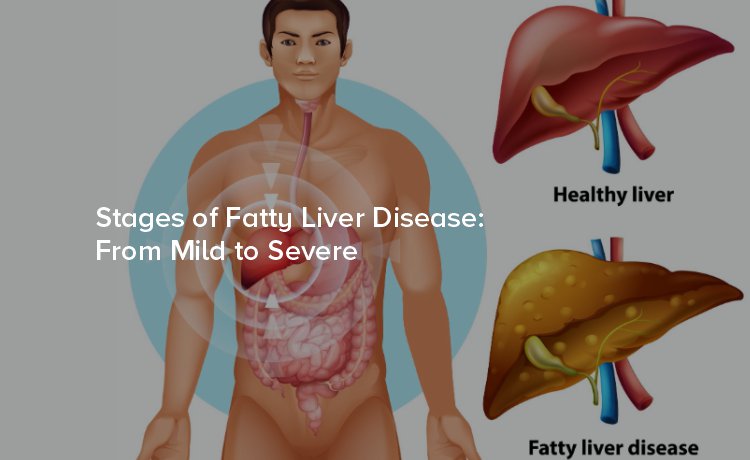
Fatty liver disease occurs when excess fat builds up in the liver cells. While it's normal for the liver to contain some fat, it becomes a problem when fat makes up more than 5-10% of the organ's weight. This condition is broadly categorized into two main types: non-alcoholic fatty liver disease (NAFLD) and alcoholic fatty liver disease (AFLD). Though their causes differ, both follow a similar path of progression if left unmanaged.
The first and most common stage is known as simple steatosis, or simply, fatty liver. At this point, excess fat has started to accumulate in the liver cells, but there is little to no inflammation or damage.
For many people, simple steatosis is asymptomatic, meaning it produces no noticeable symptoms. It is often discovered incidentally during medical imaging for other conditions, such as an abdominal ultrasound. Because there is no inflammation, the liver can still function normally, and most individuals are unaware they have the condition.
The good news is that simple steatosis is highly reversible. Lifestyle modifications are the cornerstone of treatment at this stage. Key recommendations often include:
If the cause is alcohol-related (AFLD), completely abstaining from alcohol is the most critical step to allow the liver to heal. With these changes, the fat in the liver can decrease, and the organ can return to a healthy state.
If the underlying causes of fat accumulation are not addressed, the condition can progress to the second stage, known as steatohepatitis. This stage is characterized by both excess fat and, crucially, inflammation. The presence of inflammation signals that the liver cells are becoming injured.
There are two types of steatohepatitis:
Like simple steatosis, this stage may not present obvious symptoms. However, some individuals might begin to experience vague discomfort, such as:
The presence of inflammation is a serious turning point because it can lead to the formation of scar tissue. While this stage is more challenging to manage than simple steatosis, it is still possible to halt or even reverse the damage with dedicated lifestyle changes and medical guidance. Treatment continues to focus on diet, exercise, and managing related health issues.
When liver inflammation persists over a long period, the body attempts to repair the damaged tissue. This healing process can lead to the formation of scar tissue, a condition known as fibrosis.
In stage 3, this scar tissue begins to build up in the liver, but the organ can generally still perform its essential functions. The amount of scarring determines the sub-stage of fibrosis, which can range from mild to significant.
Fibrosis is a critical stage because it represents a significant progression of liver damage. The scar tissue is less flexible than healthy liver tissue and can start to impede blood flow within the organ. Symptoms may still be absent or mild, but as the scarring becomes more extensive, the liver's ability to function can decline.
Detecting fibrosis often requires more than just standard blood tests or ultrasounds. Specialized imaging tests like a FibroScan® (transient elastography) or sometimes a liver biopsy may be necessary to accurately measure the extent of scarring.
Aggressive management of the underlying causes is vital at this stage to prevent the progression to cirrhosis. While significant reversal of fibrosis is difficult, halting its progression is an achievable and critical goal.
Cirrhosis is the most advanced and severe stage of fatty liver disease. At this point, the scar tissue has become so widespread that it has replaced large amounts of healthy liver tissue, fundamentally altering the organ's structure and disrupting its function. The liver becomes hard, lumpy, and may shrink in size.
This damage is generally considered irreversible and can lead to serious, life-threatening complications. As the liver's ability to function diminishes, individuals with cirrhosis may experience a wide range of symptoms, including:
Cirrhosis significantly increases the risk of developing liver cancer (hepatocellular carcinoma) and eventually leads to liver failure. At this stage, treatment focuses on managing symptoms, preventing further damage, and treating complications. In cases of end-stage liver failure, a liver transplant may be the only viable treatment option.
The progression of fatty liver disease is a clear reminder of the importance of proactive health management. The early stages are often silent and reversible, offering a crucial window of opportunity to make lasting lifestyle changes. By embracing a healthy diet, regular exercise, and responsible alcohol consumption, you can protect your liver and prevent the progression to more severe, irreversible stages.