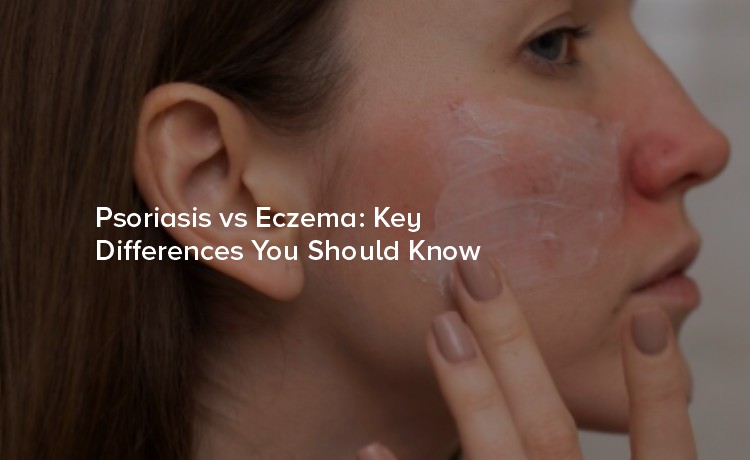
When dealing with skin conditions, it can often feel confusing to tell one from another. Psoriasis and eczema are two of the most common chronic skin conditions, but they are frequently mistaken for one another due to some shared characteristics. However, understanding the key differences between psoriasis and eczema is crucial for proper diagnosis and effective treatment.
Before exploring the distinctions, it helps to define these conditions.
What is Psoriasis?
Psoriasis is an autoimmune disorder that causes rapid skin cell turnover, resulting in the buildup of cells on the skin's surface. These excess cells form scales and inflamed patches of skin that can be itchy, painful, and even disruptive to daily life.
What is Eczema?
Eczema, or atopic dermatitis, is a chronic inflammatory skin condition triggered by an overreactive immune response to irritants or allergens. It results in itchy, dry, and inflamed skin, which can become cracked or weepy in severe cases.
Though both conditions cause skin inflammation, they differ significantly in terms of symptoms, causes, and treatment approaches.
Recognizing Psoriasis
Psoriasis symptoms can vary depending on the type, but the most common form, plaque psoriasis, exhibits the following:
1. Raised, scaly patches: Typically, these appear on the scalp, elbows, knees, or lower back. The scales are silvery-white and often shed.
2. Dry and cracked skin: Skin around the patches may be red, inflamed, and prone to splitting or bleeding.
3. Itching and burning sensations: These patches often come with discomfort.
4. Thickened nails: Some people with psoriasis experience nail pitting or thickening, and in severe cases, nails may crumble.
Symptoms of Eczema
Eczema manifests differently:
While both conditions cause itching and redness, psoriasis tends to present with thicker, more defined patches, whereas eczema-affected skin may weep or show evidence of excessive scratching.
Causes of Psoriasis
Psoriasis primarily stems from an autoimmune reaction where the immune system triggers excessive production of skin cells. Genetic predisposition plays a major role, meaning it often runs in families. Common triggers include:
Eczema Causes and Triggers
Eczema is not an autoimmune disease, but rather an immune system overreaction to environmental irritants. Some contributing factors include:
Both conditions involve immune responses, but psoriasis origins are more deeply rooted in autoimmune dysfunction, while eczema is closely tied to allergens and skin sensitivity.
Diagnosis
Despite their differences, diagnosing psoriasis and eczema can be complex. A healthcare professional evaluates symptoms and may perform:
For an accurate diagnosis, consult a dermatologist who can pinpoint the condition and personalize your treatment plan.
Treatment Options
Both psoriasis and eczema are chronic conditions, meaning there’s no cure, but they can be managed effectively.
Psoriasis Treatment
Managing psoriasis focuses on controlling skin cell growth and inflammation. Treatment options include:
1. Topical Treatments: Corticosteroids, vitamin D analogs, salicylic acid, and coal tar products alleviate redness, scaling, and itching.
2. Phototherapy: Controlled exposure to ultraviolet (UV) light can reduce flare-ups.
Systemic Medications: For severe cases, oral or injectable medications like biologics target the immune system to prevent overactivity.
Eczema Management
Eczema treatment focuses on soothing the skin and avoiding triggers:
Lifestyle changes like wearing soft, breathable fabrics and using hypoallergenic products can also greatly improve eczema symptoms.

Living with Psoriasis or Eczema
Living with a chronic skin condition can be challenging, but it’s important to remember that you’re not alone. Support groups, online forums, and professional counseling can provide valuable help in managing the emotional effects of skin disorders.
Some additional tips:
Psoriasis and eczema may share some similarities, but understanding their unique symptoms, causes, and treatments can provide clarity and direction. Identifying which condition you’re dealing with enables you to seek the right treatment and regain control over your skin health.
If you’re experiencing unexplained skin inflammation, consult a dermatologist for early intervention and personalized care. The road to managing these conditions begins with greater awareness and professional support.