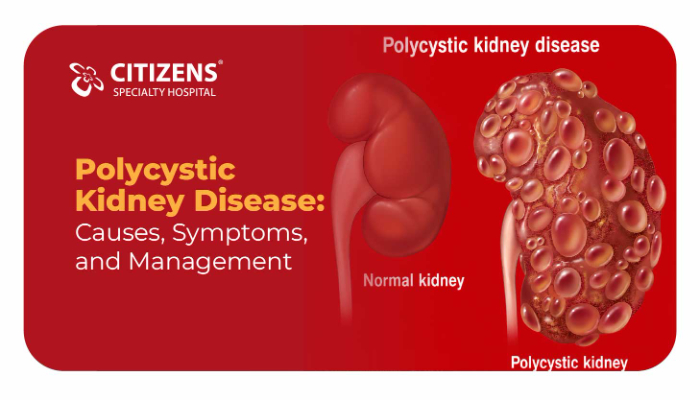
Polycystic Kidney Disease (PKD) is a genetic disorder that causes numerous fluid-filled sacs, known as cysts, to develop within the kidneys. Over time, these cysts enlarge and multiply, leading to an increase in kidney size and a gradual decline in kidney function. PKD is one of the most common inherited kidney disorders worldwide and can affect individuals of all ages.
Although there is currently no definitive cure for PKD, early diagnosis, regular monitoring, and appropriate medical management can significantly slow disease progression and improve quality of life. Understanding the causes, recognizing the symptoms, and adopting effective management strategies are essential for individuals living with this condition.
What is Polycystic Kidney Disease?
Polycystic Kidney Disease is a hereditary condition characterized by the growth of multiple cysts in the kidneys. Unlike simple kidney cysts that are usually harmless, PKD cysts can become numerous and large enough to interfere with normal kidney function.
As the disease progresses, the kidneys may enlarge significantly, sometimes becoming several times their normal size. Eventually, kidney function may decline, leading to chronic kidney disease (CKD) or kidney failure.
PKD may also affect organs beyond the kidneys, including:
Types of Polycystic Kidney Disease
There are two primary forms of PKD:
1. Autosomal Dominant Polycystic Kidney Disease (ADPKD)
ADPKD is the most common form, accounting for approximately 90% of all PKD cases.
Key features:
ADPKD is primarily caused by mutations in the following genes:
People with PKD1 mutations often develop symptoms earlier and may experience faster progression.
2. Autosomal Recessive Polycystic Kidney Disease (ARPKD)
ARPKD is much rarer and often presents during infancy or early childhood.
Characteristics include:
Children with severe ARPKD may experience significant kidney and liver complications.
Causes of Polycystic Kidney Disease
PKD is primarily caused by inherited genetic mutations.
Genetic Factors
Mutations in genes responsible for normal kidney cell growth and function lead to abnormal cyst formation.
In ADPKD:
In ARPKD:
Risk Factors
Certain factors may increase disease severity or accelerate kidney damage.
1. Family History
The strongest risk factor for PKD is having a parent or close relative with the disease.
2. High Blood Pressure
Uncontrolled hypertension can hasten kidney function decline.
3. Smoking
Smoking damages blood vessels and increases the risk of kidney complications.
4. Obesity
Excess body weight may worsen disease progression.
5. Recurrent Kidney Infections
Frequent urinary tract infections can further impair kidney health.
Symptoms of Polycystic Kidney Disease
Symptoms may remain absent for many years, especially in ADPKD. As cysts enlarge, various signs and symptoms may appear.
Common Symptoms
1. High Blood Pressure
Hypertension is often one of the earliest signs of PKD.
Poorly controlled blood pressure can increase the risk of:
2. Back or Side Pain
Enlarging cysts may cause:
Pain may result from:
3. Enlarged Abdomen
As kidneys enlarge, patients may notice abdominal fullness or swelling.
4. Blood in Urine (Hematuria)
Cysts may rupture, causing visible blood in the urine.
While bleeding often resolves spontaneously, persistent hematuria requires medical evaluation.
5. Frequent Urinary Tract Infections
Individuals with PKD may experience recurrent UTIs, particularly involving the kidneys.
Symptoms include:
6. Kidney Stones
Kidney stones occur more commonly in people with PKD and can cause:
7. Fatigue
Declining kidney function can lead to:
Symptoms in Advanced Disease
As kidney function deteriorates, patients may develop symptoms of chronic kidney disease, including:
Complications of Polycystic Kidney Disease
PKD can affect multiple organ systems.
1. Chronic Kidney Disease and Kidney Failure
Progressive cyst growth eventually damages healthy kidney tissue.
Approximately half of individuals with ADPKD may develop kidney failure by late adulthood.
2. Liver Cysts
Many patients develop cysts in the liver.
Liver cysts usually do not impair liver function but may cause discomfort if significantly enlarged.
3. Brain Aneurysms
Some individuals with PKD may develop intracranial aneurysms—weak areas in blood vessel walls within the brain.
A ruptured aneurysm can cause a life-threatening stroke.
Screening may be recommended in patients with:
4. Heart Valve Problems
People with PKD may develop abnormalities such as:
Regular cardiovascular evaluation may be necessary.
5. Pregnancy Complications
Women with PKD, especially those with hypertension, may face increased pregnancy risks.
Close monitoring during pregnancy is essential.
How is Polycystic Kidney Disease Diagnosed?
Early diagnosis enables timely intervention and better outcomes.
Medical History and Physical Examination
Doctors evaluate:
Imaging Studies
Ultrasound
Kidney ultrasound is the most used diagnostic tool.
It can detect:
CT scan
Computed tomography provides detailed images and may identify smaller cysts.
MRI Scan
Magnetic resonance imaging is useful for:
Blood and Urine Tests
These tests assess kidney function.
Blood tests include:
Urine tests may detect:
Genetic Testing
Genetic testing may be recommended when:
Management and Treatment of Polycystic Kidney Disease
Although PKD cannot currently be cured, treatment focuses on slowing disease progression, managing symptoms, and preventing complications.
1. Blood Pressure Control
Controlling blood pressure is one of the most important aspects of PKD management.
Doctors commonly prescribe:
Target blood pressure goals vary depending on age and kidney function.
2. Medications to Slow Disease Progression
Certain patients with rapidly progressing ADPKD may benefit from disease-modifying therapy.
Treatment selection depends on:
Patients should discuss eligibility with their nephrologist.
3. Pain Management
Pain treatment may include:
Persistent or severe pain should always be medically evaluated.
4. Treatment of Urinary Tract Infections
Prompt treatment with antibiotics is necessary to prevent further kidney damage.
Ignoring symptoms of infection can lead to serious complications.
5. Management of Kidney Stones
Treatment options may include:
6. Lifestyle Modifications
Healthy lifestyle habits play a critical role in preserving kidney function.
Maintain Good Hydration
Drinking adequate water may help support kidney health.
Patients should follow individualized fluid recommendations from their healthcare provider.
Follow a Kidney-Friendly Diet
A balanced diet should emphasize:
Limiting sodium can help control blood pressure.
Maintain Healthy Weight
Regular physical activity supports cardiovascular and kidney health.
Avoid Smoking
Smoking accelerates kidney damage and increases cardiovascular risk.
Limit Alcohol Intake
Excessive alcohol consumption can worsen overall health.
When is Dialysis or Kidney Transplant Needed?
If PKD progresses to end-stage kidney disease, renal replacement therapy becomes necessary.
Dialysis
Dialysis removes waste products and excess fluid when kidneys can no longer function adequately.
Types include:
Kidney Transplant
Kidney transplantation is often considered the preferred long-term treatment for eligible patients with kidney failure.
A successful transplant can significantly improve quality of life and survival.
Living with Polycystic Kidney Disease
Living with PKD requires ongoing medical care and self-management.
Patients are encouraged to:
Support from healthcare providers, family members, and patient support groups can help individuals cope with the emotional and physical challenges of the disease.
Conclusion
Polycystic Kidney Disease is a lifelong inherited disorder that can progressively impair kidney function and affect multiple organs. While there is no cure, early diagnosis, careful monitoring, blood pressure control, lifestyle modifications, and timely treatment can significantly slow disease progression and reduce complications.
Recognizing symptoms early and working closely with a nephrologist enables patients to maintain kidney health, improve quality of life, and achieve better long-term outcomes. Regular follow-up and proactive management remain the cornerstone of successful PKD care.