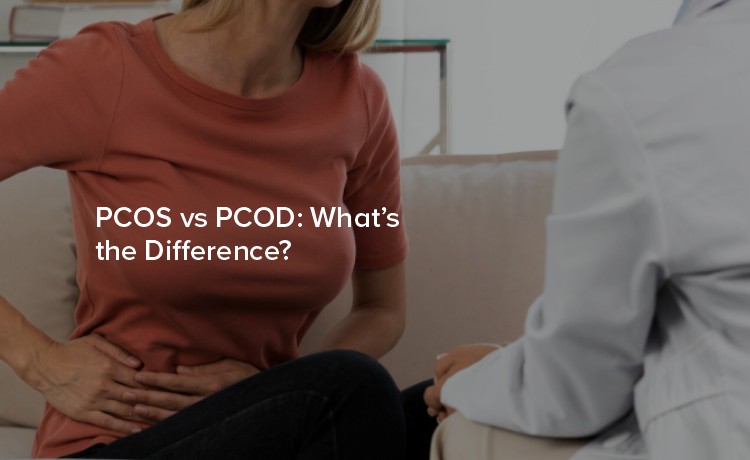
Many women experience irregular periods, weight gain, or unusual hair growth and wonder if they might have a hormonal condition. Two terms that often come up are PCOS and PCOD—but what exactly do they mean, and are they the same thing?
While these acronyms are frequently used interchangeably, they represent different approaches to understanding the same underlying condition. Understanding these distinctions can help you better communicate with your healthcare provider and make informed decisions about your health.
PCOD stands for Polycystic Ovarian Disease. This term focuses primarily on the physical appearance of the ovaries, where multiple small cysts develop along the outer edge. These aren't true cysts but rather immature follicles that haven't released eggs during ovulation.
PCOD is primarily viewed as a gynecological condition affecting the ovaries' ability to release eggs regularly. Women with PCOD may still ovulate occasionally, though not consistently. The condition is often considered less severe and more manageable through lifestyle modifications alone.
The term PCOD is more commonly used in certain regions and by some healthcare providers who focus on the ovarian aspects of the condition.
PCOS stands for Polycystic Ovary Syndrome. The key difference lies in calling it a "syndrome" rather than a "disease." A syndrome encompasses a collection of symptoms and metabolic disruptions that affect multiple body systems beyond just the reproductive organs.
PCOS is recognized as a complex endocrine disorder that affects hormone production throughout the body. It involves insulin resistance, elevated androgen levels, and metabolic complications that can impact cardiovascular health, diabetes risk, and long-term wellness.
The diagnostic criteria for PCOS, known as the Rotterdam criteria, requires at least two of the following three features:
PCOS is generally considered more complex and severe than PCOD. While PCOD primarily affects ovarian function, PCOS encompasses broader metabolic and hormonal disruptions that can impact multiple organ systems.
PCOD treatment often focuses on lifestyle modifications, including diet changes and exercise. Many women with PCOD can manage their symptoms effectively through these natural approaches.
PCOS typically requires a more comprehensive treatment strategy that may include medications to address insulin resistance, hormonal imbalances, and metabolic complications alongside lifestyle modifications.
Women with PCOD may still ovulate occasionally, making conception possible with some effort. PCOS often involves more complete ovulation dysfunction, potentially requiring medical intervention for fertility treatment.
PCOD is primarily concerned with reproductive health and may have fewer long-term complications when properly managed.
PCOS carries increased risks for type 2 diabetes, cardiovascular disease, endometrial cancer, and metabolic syndrome, requiring ongoing monitoring and management throughout a woman's life.
Both conditions can cause similar physical symptoms, though PCOS symptoms tend to be more pronounced:
Both PCOS and PCOD share similar underlying causes, though the mechanisms may differ in complexity:
Elevated levels of luteinizing hormone (LH) and androgens disrupt normal ovarian function. Insulin resistance plays a crucial role in both conditions, though it's more pronounced in PCOS.
Family history significantly increases risk. If your mother or sister has either condition, your likelihood of developing similar symptoms increases substantially.
Sedentary lifestyle, poor dietary choices, and chronic stress can contribute to symptom development and severity. However, these factors alone don't cause the conditions.
Proper diagnosis requires comprehensive evaluation by a qualified healthcare provider. The process typically includes:
Your doctor will assess visible symptoms like excess hair growth, acne patterns, and signs of insulin resistance.
Pelvic ultrasound reveals ovarian appearance and confirms the presence of multiple follicles characteristic of both conditions.
Detailed discussion of menstrual patterns, weight changes, and other symptoms helps differentiate between PCOS and PCOD classifications.
Regardless of whether you're diagnosed with PCOS or PCOD, lifestyle changes form the foundation of effective management:
Regular exercise helps improve insulin sensitivity and can reduce androgen levels. A balanced diet focusing on whole foods and limiting refined carbohydrates supports hormonal balance.
PCOS often requires medication to address insulin resistance, such as metformin, and hormonal contraceptives to regulate cycles and reduce androgen effects.
PCOD may respond well to targeted supplements and less intensive medical intervention, though individual needs vary significantly.
Both conditions can affect fertility, but treatment approaches differ. PCOD may require ovulation induction, while PCOS might need more comprehensive reproductive endocrinology support.
Understanding whether you have PCOS or PCOD empowers you to work effectively with your healthcare team. While the terminology might seem confusing, the most important factor is receiving appropriate, individualized care that addresses your specific symptoms and health goals.
Early diagnosis and proper management can significantly improve quality of life and reduce long-term health risks. Don't hesitate to seek evaluation if you're experiencing symptoms—many effective treatment options are available.
Remember that both conditions are manageable with the right approach. Working with healthcare providers who understand the complexities of hormonal health ensures you receive comprehensive care tailored to your unique needs.