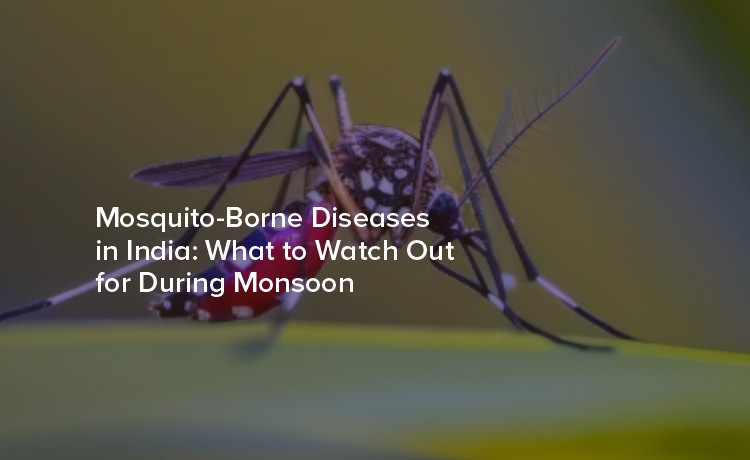
The monsoon season in India brings much-needed relief from the sweltering heat, but it also creates the perfect breeding ground for mosquitoes, increasing the risk of mosquito-borne diseases. With stagnant water accumulating almost everywhere, mosquito populations surge, making diseases like dengue, malaria, and chikungunya more prevalent.
The monsoon season changes the environment in ways that naturally favor mosquito breeding:
Understanding this surge is crucial to implementing preventive measures to shield yourself and your loved ones.
1. Malaria
One of the most common mosquito-borne diseases in India, malaria, is caused by the Plasmodium parasite, transmitted through the bite of infected Anopheles mosquitoes.
Symptoms:
Impact in India:
Malaria accounts for a significant burden on India’s healthcare system, especially in rural and suburban areas. According to government reports, thousands of malaria cases are reported annually.
Prevention:
2. Dengue
Dengue, often referred to as breakbone fever, is caused by the dengue virus transmitted by Aedes aegypti mosquitoes.
Symptoms:
Why It’s Dangerous:
Severe dengue, known as dengue hemorrhagic fever, can cause internal bleeding, organ damage, and even death.
Prevention:
3. Chikungunya
Another disease spread by Aedes mosquitoes, chikungunya is known for causing debilitating joint pain that can last for weeks or even months.
Symptoms:
Prevalence in India:
Chikungunya cases often spike sharply during and immediately after the monsoon season, affecting urban areas the most.
Prevention:
Who Is Most at Risk?
While mosquito-borne diseases can affect anyone, certain groups are more vulnerable:
Early identification and treatment are crucial to preventing complications, especially for these high-risk groups.
Many mosquito-borne diseases have overlapping symptoms like fever, joint pain, and vomiting. Self-diagnosis can lead to complications or delayed treatment. Getting the right blood tests as early as symptoms appear is critical for:
Diagnostic tests like Complete Blood Count (CBC), NS1 Antigen, IgM/IgG tests, malaria smears, and PCR tests help confirm mosquito-borne infections accurately and quickly.
General Tips to Prevent Mosquito-Borne Diseases
Calm monsoon chaos with these preventive measures:
Eliminate Breeding Grounds
Protect Yourself
Strengthen Your Immune System
A strong immune system can help fight infections. Focus on:
Early diagnosis is crucial for effective treatment and preventing complications. Seek medical help if you experience:
Prompt blood tests and diagnosis can help distinguish between different mosquito-borne diseases and ensure timely care.
The monsoon season brings joy, but it also requires caution. Mosquito-borne diseases in India are a serious public health concern, especially from June to September. By being proactive—keeping our surroundings clean, using protective measures, and opting for timely diagnosis—we can significantly reduce the risk.