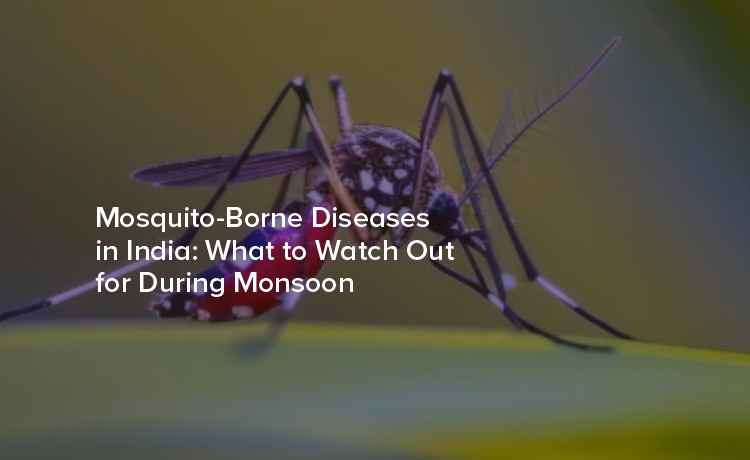
Mosquitoes may be small, but they carry a big problem. Each year, millions of people are affected by mosquito-borne diseases, many of which can result in severe health issues or even death if left untreated. With their capacity to spread serious illnesses, mosquitoes are often referred to as one of the most dangerous animals on Earth.
Mosquito-borne diseases are illnesses caused by pathogens, such as viruses or parasites, that are transmitted to humans and animals through mosquito bites. The most well-known diseases include malaria, dengue fever, Zika virus, chikungunya, and yellow fever.
Not all mosquitoes carry disease, but certain species, such as the Aedes aegypti, Anopheles, and Culex, serve as vectors for specific illnesses. These insects act as carriers, spreading bacteria and viruses from one host to another.
Mosquito-borne diseases primarily occur in tropical and subtropical regions due to favorable conditions for mosquito breeding. However, due to global travel and climate change, cases are increasingly being reported outside these regions.
Malaria
Malaria is caused by the Plasmodium parasite, which is transmitted by the Anopheles mosquito. This disease affects millions annually, leading to significant mortality rates, particularly in sub-Saharan Africa.
Symptoms: Fever, chills, sweating, headache, muscle aches, fatigue, nausea, and vomiting. Severe cases can result in organ failure, seizures, or death.
Dengue Fever
Spread by the Aedes aegypti mosquito, dengue fever is common in urban and semi-urban areas in tropical climates.
Symptoms: High fever, severe headache, pain behind the eyes, joint and muscle pain, rash, and mild bleeding (e.g., nose or gum bleeding). Severe dengue can lead to complications like internal bleeding and shock, requiring hospitalization.
Zika Virus
The Zika virus, also transmitted by the Aedes mosquito, gained global attention due to its association with microcephaly in newborns. Pregnant women are particularly at risk.
Symptoms: Fever, rash, joint pain, conjunctivitis (red eyes), and headache. Many infected individuals remain asymptomatic, which makes the virus difficult to detect.
Chikungunya
Primarily found in Asia, Africa, and the Americas, chikungunya is another virus spread by the Aedes aegypti and Aedes albopictus mosquitoes.
Symptoms: High fever, joint pain (sometimes debilitating), headache, rash, and fatigue. Though rarely fatal, joint pain may persist for weeks or months.
Yellow Fever
Yellow fever is caused by a flavivirus and is spread by the Aedes mosquito. This disease is preventable through vaccination, but outbreaks still occur.
Symptoms: Fever, chills, headache, muscle pain, nausea, and vomiting. Severe cases can progress to jaundice (yellowing of the skin and eyes), organ failure, and death.
Several factors contribute to the spread of mosquito-borne diseases, including:
Prevention is the most effective way to reduce the risk of mosquito-borne diseases. Here’s how you can protect yourself and your community:
Personal Protection
1. Use Mosquito Repellents: Apply an EPA-approved mosquito repellent containing DEET, picaridin, or oil of lemon eucalyptus when outdoors.
2. Wear Protective Clothing: Long-sleeved shirts, long pants, and socks offer physical barriers to mosquito bites. Light-colored, loose-fitting clothing is preferable.
3. Sleep Under Mosquito Nets: Especially in high-risk areas, use bed nets treated with insecticides.
Environmental Measures
1. Eliminate Standing Water: Empty and clean containers like flowerpots, birdbaths, and gutters where mosquitoes can breed.
2. Maintain Screen Doors and Windows: Use fine mesh screens to prevent mosquitoes from entering your home.
3. Use Mosquito Control Solutions: Employ larvicides or insecticides to reduce mosquito populations in your area.
Seeking Medical Attention
If you suspect you have contracted a mosquito-borne disease, seek medical attention immediately. Early diagnosis and treatment are critical in preventing severe complications.
What to Do:
Mosquito-borne diseases are a global health challenge, but they are largely preventable with practical measures and awareness. Educating yourself and those around you is the first step toward a healthy, mosquito-free environment.
Take the necessary precautions, stay vigilant, and encourage collective action to minimize risks. By taking small steps together, we can make a significant difference in fighting these diseases.