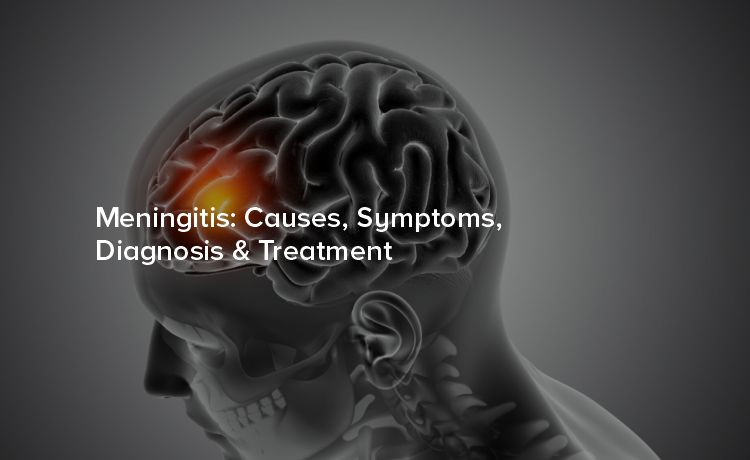
Meningitis is a serious infection that causes inflammation of the membranes surrounding the brain and spinal cord, often progressing rapidly and leading to life-threatening complications if untreated. It can be triggered by bacteria, viruses, fungi, or parasites, with bacterial meningitis being the most dangerous form. Recognizing early symptoms and seeking prompt medical help are vital for recovery. For those at risk or showing warning signs, timely access to expert infectious disease treatment in Hyderabad ensures accurate diagnosis, effective care, and better long-term outcomes.
Meningitis is primarily caused by infections that reach the meninges. The type of meningitis is classified based on the causative agent.
This is the most severe form of meningitis and requires immediate medical attention. Several types of bacteria can cause it, including:
Viral meningitis is more common than bacterial meningitis and is usually less severe. Many different viruses can cause it, such as:
Most people with viral meningitis recover fully without specific treatment.
These forms are much rarer and typically occur in individuals with weakened immune systems, such as those with HIV or undergoing cancer treatment. Fungal meningitis is caused by inhaling fungal spores from the environment, while parasitic meningitis can result from consuming contaminated food or water.
The symptoms of meningitis can develop suddenly and may initially resemble the flu. Recognizing these signs is crucial for seeking timely medical care.
If you or someone you know exhibits these symptoms, it is vital to seek emergency medical attention immediately.
Accurate diagnosis is the first step toward effective treatment. A physician will typically perform a physical exam and review the patient’s medical history before ordering specific tests.
Treatment depends on the type of meningitis.
Receiving a meningitis diagnosis can be challenging, but with the right medical care, recovery is possible. Early action and guidance from skilled healthcare professionals make all the difference in outcomes. Our dedicated specialists combine compassion with expertise, using advanced diagnostic tools and evidence-based therapies to deliver the best care. By focusing on patient well-being and precision in treatment, we provide the highest quality infectious disease treatment in Hyderabad to support recovery and long-term health.
Yes, some forms of meningitis are contagious. Bacterial meningitis caused by Neisseria meningitidis and viral meningitis can spread from person to person through respiratory droplets from coughing or sneezing. However, most people exposed to these pathogens do not develop meningitis.
Vaccinations are the most effective way to prevent certain types of bacterial meningitis. Vaccines are available for Neisseria meningitidis, Streptococcus pneumoniae, and Haemophilus influenzae type b (Hib). Practicing good hygiene, such as washing hands frequently, can also help prevent the spread of viruses and bacteria.
Bacterial meningitis can lead to serious long-term complications, especially if treatment is delayed. These may include hearing loss, vision problems, seizures, learning disabilities, and brain damage. Viral meningitis rarely causes severe complications.
Infants, young children, teenagers, and older adults are at higher risk. Individuals with weakened immune systems are also more susceptible. Living in crowded environments, such as college dormitories or military barracks, can increase the risk of meningococcal meningitis.