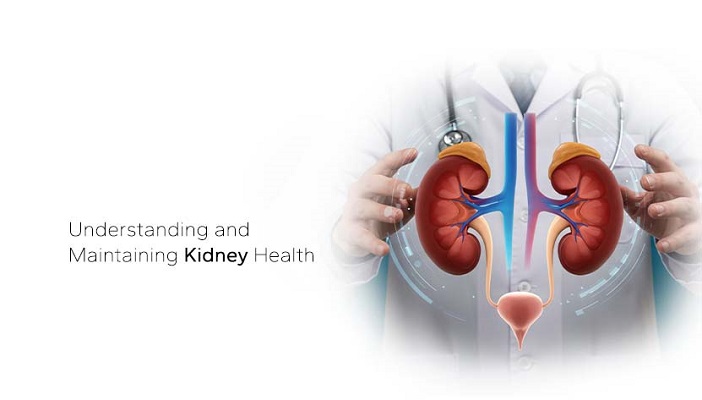
Kidneys are an important organ in the human body that help in the elimination of toxic wastes and excess fluid, as well as maintaining an equilibrium of minerals and production of hormones. Kidney diseases today are proving to be a serious health issue affecting millions of individuals across the globe. Once the kidneys are damaged, their capacity to carry out basic functions gets severely compromised, resulting in adverse health effects.
However, with the advances in the healthcare sector, kidney diseases can be managed by seeking kidney disease treatment in Hyderabad.
Kidney disease can sometimes also be referred to as renal disease which encompasses all the conditions which damage the functional ability of the kidneys. There is a wide spectrum of kidney disease starting from mild kidney diseases to the most severe kidney diseases that could lead to kidney failure. The most frequently arising category of kidney diseases are mentioned below:
Chronic Kidney Disease (CKD): In this disease, the kidneys experience a gradual yet progressive decline in function over time, often driven by factors such as diabetes, high blood pressure, or glomerulonephritis – an inflammation of the filtering units of the kidneys.
Acute Kidney Injury (AKI) – is a pathological condition associated with a sudden decline in kidney function. Causes may include trauma, dehydration, infections or medication side effects.
Polycystic Kidney Disease: This is a hereditary disease characterised by bilateral renal cysts that increase in size over the years and progressively interfere with renal functions.
Kidney stones: These are solid lumps of minerals, salts, and other particles having a specific structure. They form in the kidneys and at times may cause disturbance in the flow of urine.
Causes of Kidney Failure
Kidney failure is also referred to as End-Stage Renal Disease (ESRD). This form of the disease occurs when the kidneys virtually cease to function. During the advanced stages of renal failure, kidneys lose functional capacity to eliminate waste products and excess fluids from the body. The following are some of the primary factors that cause kidney failure:
Chronic Diseases – The most common causes of end-stage renal disease are the presence of chronic diseases like diabetes and hypertension. These conditions damage the kidney and thus impair blood filtering processes.
Glomerulonephritis: It is a form of renal disease that results in the inflammation of glomeruli (the clusters of tiny blood vessels in the kidney that act as filtration units).
Obstruction of the Urinary Tract: Various factors like kidney stones, enlarged prostate, or primary bladder cancer make it difficult to urinate. In such cases, kidneys are damaged and result in kidney failure.
Infections: Severe or untreated kidney infections (pyelonephritis) may also lead to kidney damage and subsequent kidney failure.
It is necessary to get timely kidney disease treatment in Hyderabad as this will help in avoiding end-stage renal disease or kidney failure. Depending on the type and the stage of the disease the following options may be offered:
1. Lifestyle Changes and Medications
In the early stages of kidney disease, patients are advised to make specific lifestyle changes to minimise further damage and protect kidney function. The following changes may be considered:
Dietary Adjustments: Patients must try to limit the percentage of sodium, potassium, and protein intake in their diets. Blood sugar and cholesterol levels could also be monitored to maintain good kidney health.
Medications: Medications such as those for blood pressure control, reducing protein leakage from the kidneys, and managing conditions like diabetes may be prescribed. For instance, angiotensin-converting enzyme (ACE) inhibitors and angiotensin receptor blockers (ARBs) are commonly used to slow the progression of chronic kidney disease.
2. Dialysis
When kidney failure occurs and the kidneys can no longer function, waste and excess fluid buildup in the body, making dialysis necessary. Dialysis can be categorised into two main types:
Hemodialysis: When the kidneys are no longer functioning, a machine is used to filter waste and excess fluid from the blood. Hemodialysis is typically performed at a dialysis center, with treatments occurring several times a week, depending on the patient's needs.
Peritoneal Dialysis: This form of dialysis makes use of the abdominal wall lining as a membrane through which waste and excess fluids can pass. Peritoneal dialysis is a preferable option for patients as it is mostly performed at home.
Dialysis procedures have been described as lifesaving for patients with kidney failures. However, it should be noted that it does not offer a permanent solution, especially in circumstances when patients are waiting for a kidney transplant.
3. Kidney Transplantation
Damaged kidneys are permanently removed only during a transplant. This procedure is often the most effective and preferred option, as it offers the best chance for recovery by replacing the damaged kidneys with a healthy one from a donor. After kidney transplants, patients may be prescribed immunosuppressive drugs to minimise the chances of kidney rejection by the body’s immune system. Kidney transplants greatly increase the quality of life for most patients and decrease or nullify the need for dialysis.
Timely steps to maintain kidney health can significantly reduce the risk of developing kidney disease. A few such measures include the following:
Regular Health Check-ups: Patients diagnosed with diabetes, or high blood pressure and those with a family history of kidney illness, must get regular health check-ups for early diagnosis and interventions.
Water Intake: Maintaining hydration and drinking water in adequate amounts is helpful in ensuring good kidney function.
Controlling Blood Pressure and Blood Sugar: For patients with diabetes and hypertension, regularly monitoring and controlling blood pressure and blood sugar levels can help prevent the progression of kidney disease.
If you are experiencing any symptoms that may indicate a kidney disorder, you must see a nephrologist and seek kidney disease treatment in Hyderabad. An early diagnosis and subsequent intervention can stop the progression of kidney disease and help bring back the quality of life for individuals with kidney disease.
Citizens Specialty Hospital has state-of-the-art facilities for the diagnosis and treatment of kidney diseases, including kidney failure treatment in Hyderabad. The hospital helps in symptom management, outpatient appointment, dialysis, and even kidney transplantation. Visit our website www.citizenshospitals.com and book an appointment today!