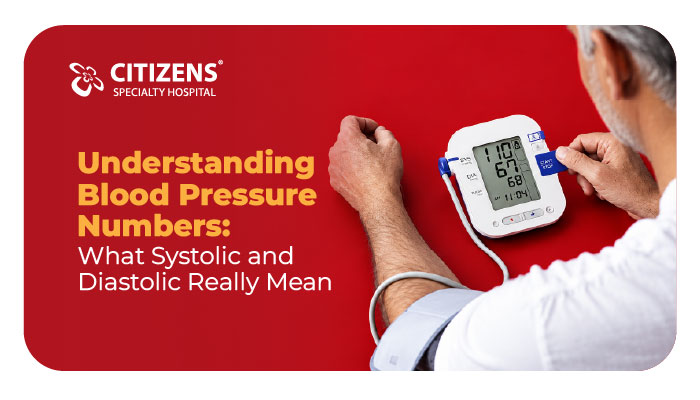
High blood pressure, or hypertension, is a widespread health condition affecting millions of people worldwide. While medications are commonly prescribed to manage hypertension, an increasing number of studies suggest that lifestyle modifications can significantly reduce blood pressure—and, in some cases, even allow individuals to reverse hypertension naturally. But the question remains: can hypertension be reversed with lifestyle changes?
Hypertension, or high blood pressure, is defined as a consistent blood pressure reading of 130/80 mm Hg or higher. The condition forces your heart to work harder to pump blood, which can damage your arteries and lead to serious health complications over time.
"Reversing" hypertension means bringing your blood pressure back down to a normal range (below 120/80 mm Hg) without the need for medication. While this isn't possible for everyone—genetics and other underlying health conditions can play a significant role—many people diagnosed with primary hypertension (the most common type, with no single identifiable cause) can achieve this goal. The key is a dedicated and sustained commitment to a healthier way of life.
Making these changes isn't just about a temporary fix. It's about adopting new habits that become a permanent part of your routine. These adjustments work by addressing the root factors that often contribute to high blood pressure, such as excess body weight, a high-sodium diet, and a sedentary lifestyle.
While hypertension is often considered a chronic condition, research shows that significant improvements are possible through lifestyle changes. In fact, many people have successfully lowered their blood pressure to normal ranges without the sole reliance on medications.
These studies suggest that reverse hypertension naturally is achievable for many people, particularly those with early-stage or mild hypertension.
Managing blood pressure requires a multi-faceted approach. By integrating the following strategies into your daily life, you can create a powerful, synergistic effect that promotes better cardiovascular health.
One of the most effective dietary strategies for lowering blood pressure is the DASH (Dietary Approaches to Stop Hypertension) diet. This eating plan is specifically designed to combat hypertension and is consistently recommended by health professionals. It emphasizes foods that are rich in potassium, calcium, and magnesium—nutrients that are crucial for blood pressure regulation.
The core principles of the DASH diet include:
Sodium is a primary culprit in raising blood pressure because it causes your body to retain water, putting extra strain on your heart and blood vessels. While the DASH diet naturally limits sodium, it's essential to be mindful of hidden sources.
Exercise strengthens your heart, allowing it to pump blood more efficiently and with less effort. This reduces the force on your arteries, lowering your blood pressure. The American Heart Association recommends:
Consistency is more important than intensity. Find an activity you enjoy to ensure you stick with it. Even small changes, like taking the stairs or going for a short walk during your lunch break, can make a difference.
Carrying excess weight, particularly around your waistline, forces your heart to work harder and increases your risk of hypertension. Losing even a small amount of weight can have a significant impact on your blood pressure. Studies show that you can lower your blood pressure by about 1 mm Hg for every 2.2 pounds (1 kilogram) of weight you lose.
Combining a balanced diet like DASH with regular exercise is the most effective way to achieve and maintain a healthy weight.
Drinking too much alcohol can raise your blood pressure to unhealthy levels. If you choose to drink, do so in moderation. This is generally defined as:
One drink is equivalent to 12 ounces of beer, 5 ounces of wine, or 1.5 ounces of 80-proof spirits. Limiting alcohol can also help you manage your weight, as alcoholic beverages are often high in calories.
Chronic stress can contribute to high blood pressure by triggering the release of stress hormones that temporarily narrow your blood vessels. Finding healthy ways to cope with stress is a vital part of managing hypertension.
Effective stress-reduction techniques include:
Hypertension is a serious condition, but it is not necessarily a permanent sentence. Evidence shows that through consistent lifestyle modifications—such as a heart-healthy diet, regular exercise, weight management, stress reduction, and moderation of alcohol and tobacco—many individuals can reverse hypertension naturally or at least significantly reduce their blood pressure.
While some people may still require medication, integrating lifestyle changes provides a powerful, long-term approach to cardiovascular health. The critical takeaway is that proactive, sustained changes can make a profound difference, making the question, can hypertension be reversed with lifestyle changes?, a hopeful “yes” for millions worldwide.