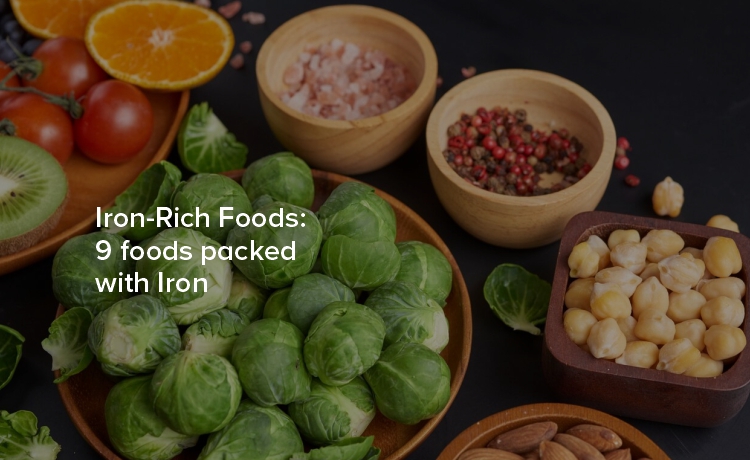
Iron deficiency affects approximately 25% of the global population, making it one of the most common nutritional deficiencies worldwide. Whether you're experiencing fatigue, weakness, or have been diagnosed with iron deficiency anemia, understanding which foods can effectively boost your iron levels is crucial for maintaining optimal health.
Iron plays a vital role in numerous bodily functions, most notably in the formation of hemoglobin—the protein in red blood cells that carries oxygen throughout your body. When iron levels drop below optimal ranges, your body cannot produce enough healthy red blood cells, leading to iron deficiency anemia.
The recommended daily iron intake varies by age, gender, and life stage. Adult men require approximately 8 mg per day, while premenopausal women need 18 mg due to monthly menstrual losses. Pregnant women have even higher requirements at 27 mg daily.
There are two types of dietary iron: heme iron (found in animal products) and non-heme iron (found in plant-based foods). Heme iron is more readily absorbed by the body, typically at rates of 15-35%, while non-heme iron absorption ranges from 2-20% depending on various factors.
Liver and other organ meats rank as the ultimate iron powerhouses in the animal kingdom. Beef liver contains an impressive 6.5 mg of iron per 3.5-ounce serving—more than double that of regular beef. Chicken liver provides similar benefits with approximately 11 mg per serving.
While organ meats may not appeal to everyone's palate, they offer unmatched nutritional density. Those willing to incorporate small amounts into their diet can significantly boost their iron intake.
Oysters, clams, and mussels are exceptional sources of heme iron. Six medium oysters provide about 5.7 mg of iron, while a 3.5-ounce serving of clams delivers an outstanding 13.8 mg. These shellfish also provide zinc, vitamin B12, and omega-3 fatty acids.
Beans, lentils, chickpeas, and other legumes serve as excellent vegetarian iron-rich foods. One cup of cooked lentils provides approximately 6.6 mg of iron, while the same amount of kidney beans offers about 5.2 mg.
Legumes offer the additional benefit of being rich in fiber, protein, and folate. They're also incredibly versatile, lending themselves to soups, stews, salads, and countless other preparations.
Spinach stands out among vegetarian iron-rich foods, with one cup of cooked spinach providing about 6.4 mg of iron. Other iron-rich greens include Swiss chard (4 mg per cup), kale (1.1 mg per cup), and beet greens.
These vegetables also supply vitamin C, which enhances non-heme iron absorption when consumed together. This natural pairing makes leafy greens particularly valuable for those following plant-based diets.
Many breakfast cereals are fortified with iron, providing between 4.5 to 18 mg per serving depending on the brand and formulation. These products can be especially helpful for individuals struggling to meet their iron needs through whole foods alone.
When selecting fortified cereals, choose options that are also rich in vitamin C and low in added sugars to maximize iron absorption and overall nutritional value.
This ancient grain contains about 2.8 mg of iron per cooked cup, making it one of the most iron-dense grains available. Quinoa also provides complete protein, containing all nine essential amino acids.
The versatility of quinoa makes it an excellent base for grain bowls, salads, and side dishes that can be combined with other iron-rich ingredients.
A quarter-cup serving of pumpkin seeds delivers approximately 2.5 mg of iron along with healthy fats, protein, and magnesium. These seeds make an excellent snack or can be sprinkled on salads, yogurt, or oatmeal.
Toasted pumpkin seeds are particularly delicious and can be seasoned with various spices to suit different taste preferences.
Good news for chocolate lovers: dark chocolate contains meaningful amounts of iron. A 1-ounce serving of dark chocolate (70-85% cacao) provides about 3.9 mg of iron.
Choose high-quality dark chocolate with minimal added sugars to maximize the health benefits while satisfying your sweet cravings.
The key to benefiting from iron-rich foods lies not just in consuming them, but in optimizing your body's ability to absorb the iron they contain. Several factors can either enhance or inhibit iron absorption.
Building adequate iron stores through diet requires consistency and strategic food pairing. Focus on incorporating a variety of iron-rich foods throughout your week rather than relying on single sources. This approach ensures you benefit from different types of iron while enjoying diverse flavors and nutrients.
For vegetarians and vegans, combining multiple plant-based iron sources with vitamin C-rich foods can significantly improve absorption rates. Consider pairing lentil soup with bell peppers, spinach salad with strawberries, or fortified cereal with orange juice.